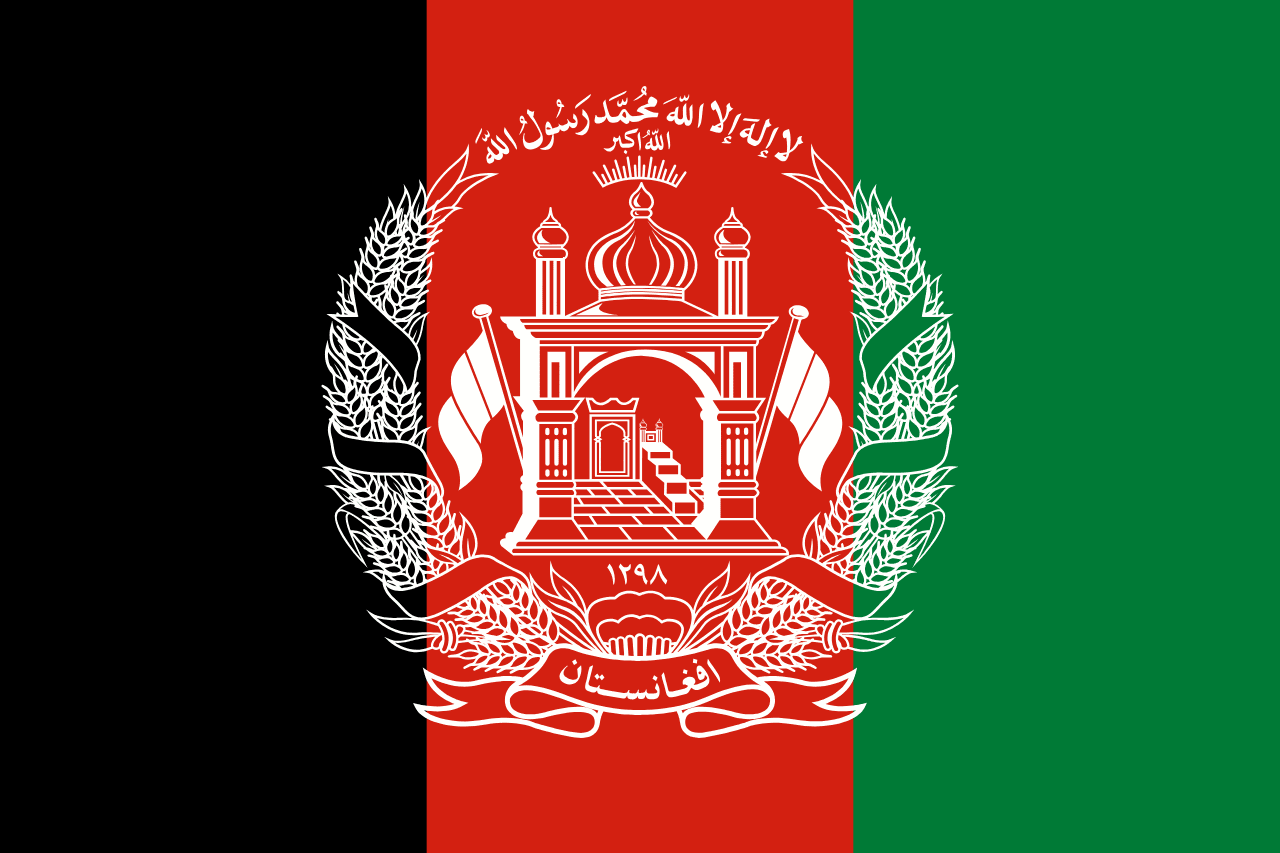
Afghanistan, a land of rugged mountains, sweeping valleys, and vibrant history, is often overlooked when it comes to its culinary offerings. Yet, the rich tapestry of Afghan culture weaves through its food, revealing stories of resilience, community, and tradition. Each dish is a celebration of flavors, blending the spices of the East with the heartiness of Central Asian fare. As I traversed through bustling markets and quiet villages, I discovered that Afghan cuisine is not just about nourishment; it is a reflection of the people and their enduring spirit. Join me on this gastronomic journey as I explore ten traditional dishes that you absolutely must try when discovering the food of Afghanistan.
First on my list is Kabuli Pulao, or as the locals call it, "پلو". This dish is the crown jewel of Afghan cuisine and is often served at weddings and festive occasions. Kabuli Pulao consists of fragrant basmati rice, slow-cooked with tender chunks of lamb or chicken, and garnished with a medley of caramelized carrots, raisins, and slivers of pistachios. The first bite is a symphony of textures and flavors—the rice is fluffy, and the meat is succulent, while the sweetness of the carrots and raisins adds a delightful contrast. You’ll typically find this dish in its most authentic form at family-run restaurants in Kabul, where the ambiance is warm and inviting, echoing the communal spirit of sharing a meal together.
Next, we encounter Mantu, the Afghan dumplings that have been adapted from the wider Central Asian culinary tradition. These delightful pockets are filled with spiced ground meat, often lamb or beef, mixed with onions and seasoned with a blend of spices. They are typically steamed to perfection and served with a rich tomato-based sauce, topped with a drizzle of yogurt and a sprinkle of dried mint. The experience of biting into a Mantu is akin to unwrapping a tiny gift—each dumpling bursting with flavor and warmth. You’ll often find these cherished morsels at street vendors or family gatherings, where they are crafted with love and shared among friends.
Moving on, we cannot overlook the significance of Qabili Palau, another rice dish that represents the heart of Afghan hospitality. Each region has its interpretation, but the core remains consistent: long-grain rice cooked with lamb, dried fruits, and spices. Unlike Kabuli Pulao, Qabili Palau often features more pronounced layers of spice, creating an aromatic experience that envelops you with every mouthful. The dish is regularly served at celebrations, and I vividly recall watching a family prepare it over an open fire during a wedding feast, the rhythmic stir of the pot echoing the joy and excitement of the occasion.
Next, we have the famed Ashak, which are dumplings filled with leeks and spices. These delicate parcels are typically topped with a rich ground meat sauce and a drizzle of yogurt, making them a beloved comfort food across Afghanistan. Each bite melts in your mouth, revealing the tender leeks mingling with the savory sauce. I had the pleasure of enjoying Ashak during a cozy evening in a small Kabul eatery, where the owner passionately shared tales of generations of his family perfecting this dish. It’s a meal that embodies the essence of togetherness, often enjoyed among friends and family.
Then there’s Borani Banjan, a sumptuous eggplant dish that offers a vegetarian delight among the meat-heavy offerings of Afghan cuisine. Slices of eggplant are fried until golden and then layered with a spiced tomato sauce and topped with yogurt. The flavors meld beautifully, providing a creamy and savory experience. I stumbled upon Borani Banjan at a local market stall, where vendors passionately touted their secrets to perfecting the dish. It is commonly served as a side or starter, but I found it so delicious that I savored it as my main course, realizing that sometimes the simplest dishes hold the most profound flavors.
Next, let’s explore the spicy realm of Kebab, locally known as “کباب”. Whether it’s lamb, beef, or chicken, Afghan Kebabs are marinated in a blend of spices and grilled to smoky perfection. The charred exterior gives way to juicy and tender meat, making every bite a celebration of flavor. I had the pleasure of indulging in Kebabs at a lively restaurant in Herat, where the ambiance buzzed with laughter and the aroma of grilling meat wafted through the air. Served with naan and fresh herbs, Kebabs represent both an everyday meal and a festive feast, symbolizing the Afghan love for gathering around food.
We cannot forget Naan, the staple bread that accompanies nearly every meal in Afghanistan. This flatbread is baked in a traditional clay oven known as a tandoor. The texture is crispy on the outside while remaining soft and warm on the inside. I remember visiting a bustling market where bakers skillfully shaped and slapped dough onto the walls of the tandoor, the sound echoing through the stalls. Naan is often served with stews, kebabs, or simply enjoyed with a drizzle of ghee, showcasing its versatility and the role it plays in Afghan dining culture.
For those with a sweet tooth, the Afghan dessert called Sheer Khurma is an absolute must. This rich, festive dish is made from vermicelli noodles cooked in milk, sweetened with sugar, and adorned with nuts and dried fruits. Traditionally served during special occasions like Eid, Sheer Khurma embodies the spirit of celebration. I was fortunate enough to taste this dessert at a family gathering, where the aroma of cardamom and the sweetness of dates filled the air. Each spoonful is a comforting reminder of the warmth of Afghan hospitality.
Finally, let’s savor the exquisite flavor of Afghani Chai, an aromatic tea that often accompanies meals or serves as a comforting ritual throughout the day. Afghan tea is typically brewed with green or black tea leaves, flavored with cardamom, and sweetened to taste. Sharing a cup of tea is an essential part of Afghan culture, symbolizing friendship and connection. During my travels, I often found myself seated cross-legged on a rug, sipping tea with locals who welcomed me into their homes. The stories shared over a cup of Chai were as rich and warm as the beverage itself.
As our culinary adventure comes to an end, you may wonder where you can find the best Afghan food. Markets and street stalls are undoubtedly the heart of the culinary experience, offering authentic flavors and a chance to engage with local vendors. In cities like Kabul, Herat, and Mazar-i-Sharif, you will find bustling bazaars where the air is thick with the scent of spices and grilled meats, and the vibrant colors of fresh produce beckon you to sample their delights. Small family-run restaurants also provide a cozy atmosphere, where you can enjoy homemade dishes that have been passed down through generations.
In every dish, the essence of Afghanistan comes alive—a vibrant blend of flavors, rich history, and heartfelt hospitality. As I reflect on my journey through the country’s culinary landscape, I am reminded that food is not just sustenance, but also a bridge that connects us all, transcending borders and cultures. So the next time you find yourself craving something different, consider exploring the incredible flavors of Afghan cuisine. Each bite tells a story, and there’s no better way to experience a culture than through the food that defines it.