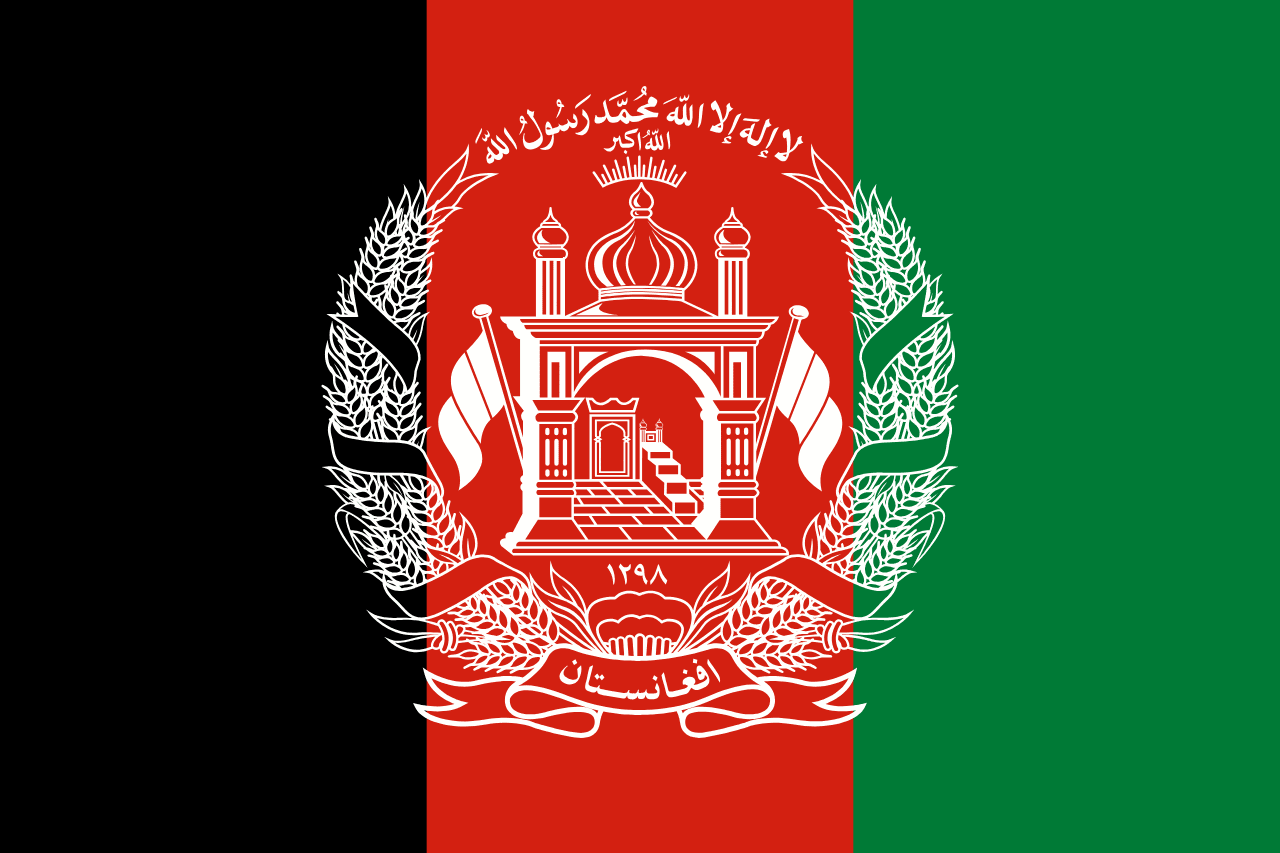
The History of Afghanistan: From Ancient Times to Today
🌐 Translate:
**The History of Afghanistan: From Ancient Times to Today**
Afghanistan, often described as the crossroads of Asia, carries within its borders a history that is as rich and complex as the rugged mountains that define its landscape. From ancient civilizations to modern conflict, the story of Afghanistan unfolds like a tapestry, woven with the threads of various cultures, empires, and peoples. This blog post will take you on a journey through the ages, exploring the defining moments in Afghanistan's history and the indomitable spirit of its people.
**Ancient Beginnings: The Cradle of Civilization**
Long before the modern nation-state of Afghanistan came into existence, the region was home to some of the earliest human settlements. Archaeological evidence suggests that humans have inhabited this land for more than 50,000 years. The fertile valleys of the Hindu Kush and the plains of the Helmand River nurtured early agricultural communities. The ancient city of Balkh, often referred to as the "Mother of Cities," dates back to around 5000 BCE and is one of the oldest continuously inhabited cities in the world.
The region's strategic location made it a melting pot of cultures and ideas. By the 1st millennium BCE, Afghanistan became a vital part of the ancient Silk Road, facilitating trade between the East and the West. It was during this time that the area came under the influence of several formidable empires, including the Persian Empire, which integrated the region into its vast domain, and the Achaemenids, who ruled from the 6th to the 4th centuries BCE.
**The Rise of Empires: From Achaemenids to Greco-Bactrians**
The conquest of the Achaemenid Empire by Alexander the Great in the 4th century BCE marked a significant turning point in Afghanistan's history. Alexander’s campaigns opened the door to Hellenistic culture, leading to the establishment of Greco-Bactrian kingdoms. The city of Bactra, now known as Balkh, flourished as a cultural hub where Greek philosophy met local traditions.
One of the most notable figures during this period was the Indian emperor Chandragupta Maurya, who took advantage of the weakened Greek presence and established the Mauryan Empire in the 4th century BCE. His reign saw the spread of Buddhism, which took deep root in Afghanistan, particularly under his grandson Ashoka. The rock edicts of Ashoka, inscribed in various languages, reveal the profound impact of Buddhism in the region.
**The Silk Road and Cultural Exchange**
As Afghanistan continued to be a nexus for trade, the Silk Road brought not only goods but also ideas and religions. The flourishing cities of Herat, Kandahar, and Ghazni became cosmopolitan centers where merchants, scholars, and travelers exchanged knowledge. Sufi mysticism found fertile ground in Afghanistan, leading to a rich tapestry of religious and philosophical thought.
In the 7th century CE, Islam began to spread across the region with the arrival of Arab conquerors. The Umayyad and later the Abbasid Caliphates established a more structured governance in the area, encouraging the flourishing of Islamic art, literature, and science. The Persian poet Rumi, though born in what is now Turkey, often drew on themes reflective of Afghan culture, further cementing Afghanistan's place in the broader Islamic world.
**The Medieval Era: The Rise of Dynasties**
The decline of the Abbasid Caliphate in the 10th century allowed for the rise of local powers, most notably the Samanid dynasty. This Persianate dynasty played a crucial role in the cultural revival of the region, leading to a renaissance in literature and the arts. It was during this time that the Afghan territory became a cradle for Persian poetry, with figures like Rudaki and Ferdowsi leaving an indelible mark.
By the 13th century, Afghanistan faced the devastating invasions of Genghis Khan. The Mongol conquests brought destruction but also opened the region to new influences. After the Mongol period, the region saw the emergence of the Timurid Empire under the illustrious ruler Timur (Tamerlane), whose capital in Samarkand became a beacon of cultural and architectural innovation.
**The Colonial Era: A Tense Intersection of Powers**
Fast forward to the 19th century, and Afghanistan found itself at the center of the "Great Game" between the British Empire and Tsarist Russia. British interests in the region were driven by the desire to secure its colonial holdings in India. The First Anglo-Afghan War (1839-1842) was a catastrophic debacle for the British, resulting in the near-total annihilation of their forces during a retreat from Kabul. The bitterness of this defeat lingered, leading to a second conflict in 1878, which resulted in the signing of the Treaty of Gandamak. This treaty gave Britain control over Afghanistan’s foreign affairs while allowing the country to maintain a semblance of independence.
The early 20th century saw Afghanistan grappling with its identity in the face of colonial pressures. In 1919, under King Amanullah Khan, Afghanistan declared independence from British influence, a bold move that marked the beginning of modern state formation. Amanullah’s reign was characterized by attempts at modernization, including educational reforms and the promotion of women's rights—an ambitious vision met with mixed success.
**The Modern Formation: A Land of Conflict and Resilience**
The latter half of the 20th century was not kind to Afghanistan. King Amanullah was overthrown in 1929, leading to a series of unstable governments. The 1970s brought a brief period of relative stability and even development, especially in urban areas like Kabul. However, the 1978 Saur Revolution, which brought the communist People’s Democratic Party of Afghanistan to power, ignited a bloody civil conflict.
By the late 1970s, Afghanistan was plunged into a devastating war as Soviet forces invaded in 1979, aiming to prop up the communist regime. This decade-long conflict drew in various mujahideen groups, some backed by the United States and Pakistan. The resistance was marked by incredible bravery and resilience, with Afghan fighters, including figures like Ahmad Shah Durrani and Gulbuddin Hekmatyar, becoming symbols of national pride.
The Soviet withdrawal in 1989 did not bring peace; instead, it led to years of civil war as rival factions vied for control. The rise of the Taliban in the mid-1990s heralded a new chapter in Afghanistan's history. Though they initially brought a semblance of order, their regime was marked by extreme interpretations of Islamic law and widespread human rights abuses.
**The Aftermath of September 11 and the Quest for Stability**
The events of September 11, 2001, marked a pivotal moment in Afghanistan's modern history. The U.S.-led invasion aimed to dismantle the Taliban regime and eliminate al-Qaeda's presence in the country. The subsequent years saw a concerted effort to rebuild, with international aid pouring in and new democratic institutions being established.
However, the road to stability has been fraught with challenges. The resurgence of the Taliban and ongoing insurgency activities have complicated efforts toward nation-building. As of 2023, Afghanistan remains a land of stark contrasts. While urban centers like Kabul have seen remarkable growth and development, rural areas continue to face significant socio-economic challenges.
**Today: A Country in Flux**
Afghanistan today is a nation grappling with its identity, torn between tradition and modernity, resilience and despair. The withdrawal of international troops in 2021 marked another turning point, with the Taliban reclaiming power. The international community watches closely as Afghanistan navigates its future—one fraught with uncertainty yet underscored by the enduring spirit of its people.
As we reflect on the history of Afghanistan, it becomes evident that its myriad cultures and legacies contribute to a rich, intricate narrative. The Afghan people, having endured centuries of invasions, wars, and upheavals, embody a resilience that continues to inspire. Their story is not merely one of conflict but also one of rich cultural heritage, vibrant traditions, and an unyielding quest for peace.
In conclusion, the history of Afghanistan is a testament to its strategic significance and cultural richness. As we look ahead, the hope remains that this ancient land, with its deep-rooted history, can forge a path toward stability and prosperity in the face of ongoing challenges. The echoes of its past resonate in the aspirations of its people, who continue to strive for a brighter future against all odds.