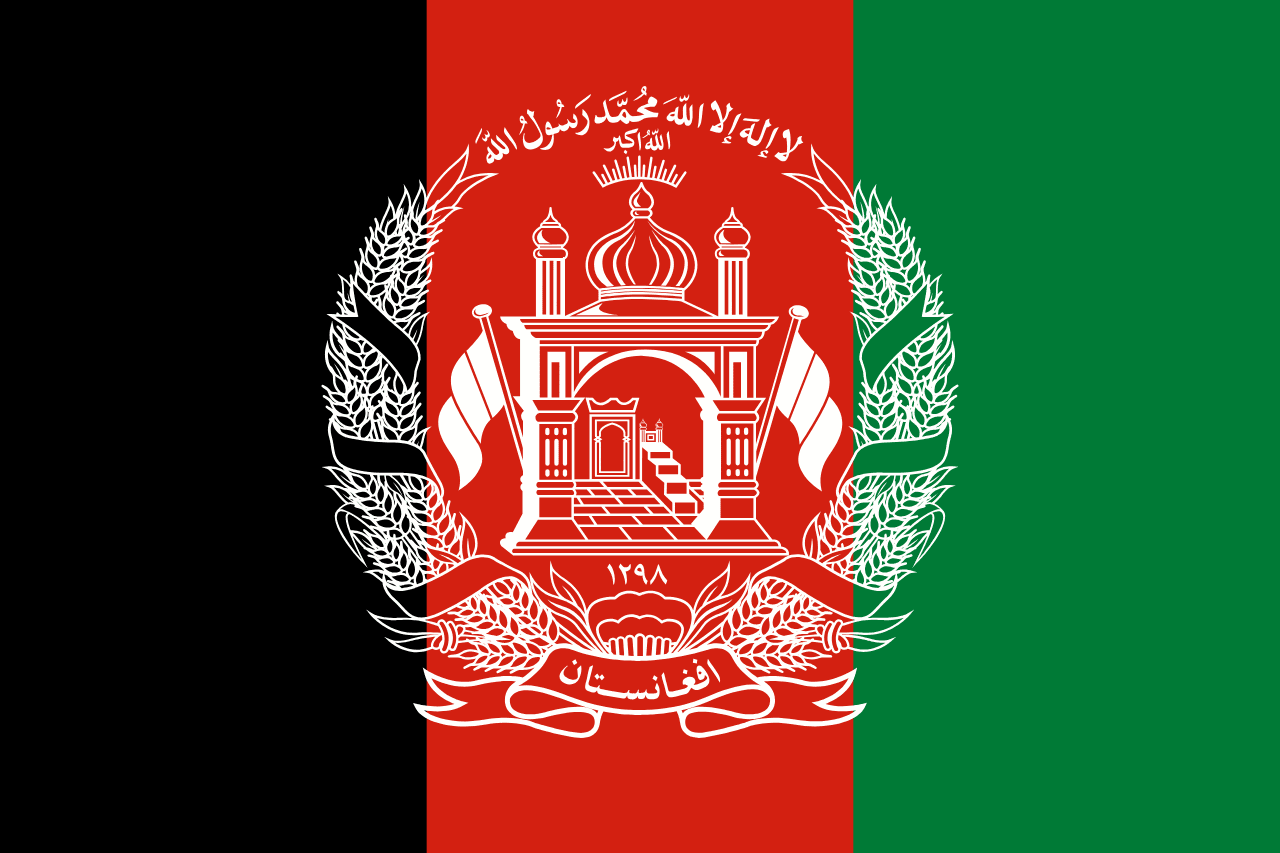
Afghanistan sits at the crossroads of Central and South Asia, bordered by Iran, Pakistan, Tajikistan, Uzbekistan, Turkmenistan, and China. For centuries it served as the beating heart of the Silk Road, a place where empires collided and cultures merged. Despite decades of hardship, the country holds some of the world's most dramatic landscapes and a depth of history that few nations can match.
The geography of Afghanistan is staggering in its variety. The Hindu Kush mountain range dominates the centre of the country, with peaks soaring above 7,000 metres. The Wakhan Corridor in the northeast is one of the most remote and visually spectacular valleys on earth, a narrow strip of land flanked by the Pamirs and the Karakoram. To the south and west, the landscape softens into desert plains and fertile river valleys. The Amu Darya river traces the northern border, while the ancient city of Herat sits in a green oasis near the Iranian frontier.
Afghanistan's history stretches back more than five thousand years. The city of Balkh, near the northern city of Mazar-i-Sharif, is one of the oldest inhabited places in the world and was once called the Mother of Cities. Alexander the Great passed through here in 329 BCE and was so taken with the land that he married a Bactrian princess named Roxana. The Buddhist empire of the Kushans left extraordinary monuments, including the cliff niches at Bamiyan where colossal Buddhas once stood. The medieval city of Ghazni produced some of the Islamic world's greatest poets and scholars.
Afghan cuisine is rich and warming. Kabuli pulao — fragrant rice cooked with raisins, carrots, and lamb — is the national dish and a genuine pleasure at any family table. Mantu, steamed dumplings filled with spiced meat and topped with yogurt and tomato sauce, are a street food staple. Freshly baked naan pulled from a clay tandoor oven accompanies almost every meal.
Kabul's old bazaars, the turquoise-domed shrines of Mazar-i-Sharif, the emerald Band-e-Amir lakes in Bamiyan Province, and the ancient citadel of Herat are all places of extraordinary beauty and historical weight.
The best time to visit is late spring — April through June — when the mountains are snow-capped, the valleys are green, and the weather is mild. Afghanistan rewards the curious traveller with a generosity of spirit and a landscape unlike anywhere else on earth.