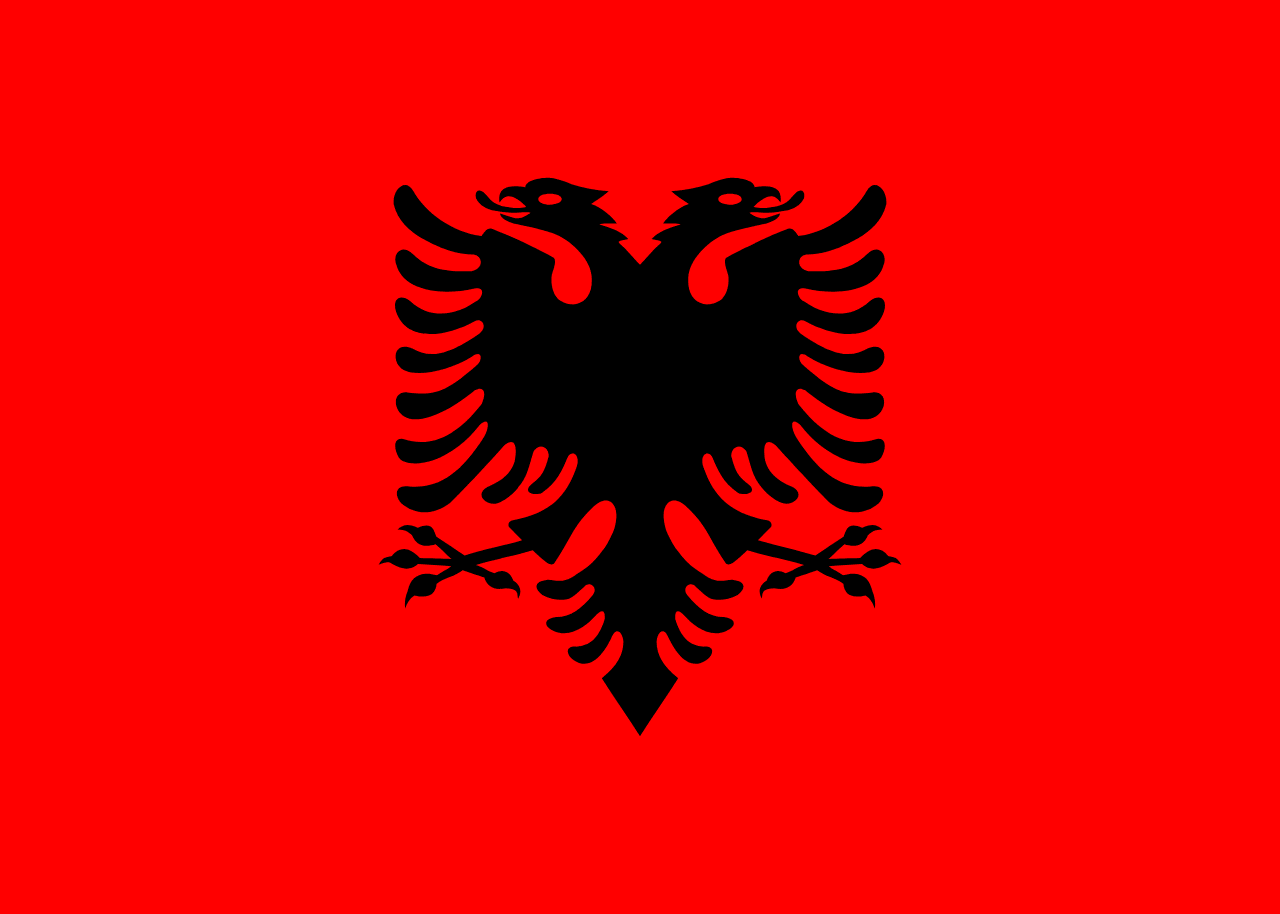
The History of Albania: From Ancient Times to Today
🌐 Translate:
# The History of Albania: From Ancient Times to Today
Nestled in the heart of the Balkans, Albania is a country rich in history and culture, often overlooked by travelers in favor of its more famous neighbors. Yet, the story of Albania is one of resilience and transformation, reflecting the enduring spirit of its people through centuries of change. From its ancient beginnings to its modern-day identity, the history of Albania is a fascinating tapestry woven with threads of conquest, cultural exchange, and independence.
## Ancient and Indigenous History
Albania's history can be traced back to the time of the Illyrians, a group of tribes that inhabited the western Balkans. The Illyrians were known for their fierce warrior culture, and they played a significant role in the region's early history. Archaeological evidence suggests that these tribes thrived in the area as early as the Bronze Age, engaging in trade with neighboring civilizations, such as the Greeks and Romans. The Illyrians spoke their own language and had distinct customs, which laid the foundation for the Albanian identity.
The name "Albania" itself is derived from the Illyrian tribe of the Albanoi, whose settlement is believed to have been located near modern-day Krujë. By the 4th century BC, the Illyrians were a force to be reckoned with, frequently clashing with the expanding Roman Empire. Ancient historian Appian described them as "brave and free," a sentiment that would echo throughout Albania's turbulent history.
## The Rise and Fall of Empires
The conquests of the Roman Empire marked a significant turning point for Albania. In 168 BC, the Romans subjugated the Illyrians, integrating the region into their expansive empire. For several centuries, this brought stability and prosperity, as roads, cities, and infrastructure were developed. The town of Apollonia, founded in 588 BC, became a crucial center of trade and culture, welcoming scholars and philosophers from across the empire.
However, the tranquility of Roman rule was shattered in the 5th century AD as the Western Roman Empire began to decline. The invasions of the Goths, Huns, and later the Slavs destabilized the region. Following the fall of Rome, Albania became part of the Byzantine Empire, where it remained for several centuries. During this period, Christianity began to spread through the land, leading to the establishment of various churches and monasteries that would play a role in shaping the spiritual life of the Albanian people.
As the Byzantine Empire weakened, Albania's strategic location attracted the attention of various powers, including the Venetians, Ottomans, and Serbs. The rise of the Ottoman Empire in the 14th century marked the beginning of a new era of foreign domination. By the late 15th century, most of Albania had fallen under Ottoman rule, leading to significant changes in the social and cultural landscape.
## The Ottoman Period: A Complex Legacy
The Ottoman period, which lasted for more than four centuries, was a time of profound transformation for Albania. The Ottomans introduced a new administrative structure and facilitated the spread of Islam, which became the dominant religion in the region. However, this period was also marked by resistance and rebellion. Noteworthy figures such as Gjergj Kastrioti, known as Skanderbeg, emerged as symbols of Albanian nationalism. Skanderbeg, a nobleman who led a fierce resistance against the Ottomans in the 15th century, is celebrated as a national hero whose legacy continues to inspire Albanians today.
Despite the oppression, the Ottoman era also allowed for cultural exchange. Albanian cities became melting pots of different cultures and traditions, blending Islamic and Christian influences. The Bektashi order, a Sufi sect, flourished during this time and became an integral part of the spiritual fabric of Albania, promoting values of tolerance and coexistence among various religious communities.
## The Road to Independence
The 19th century brought about a resurgence of national consciousness among Albanians, fueled by the broader nationalist movements sweeping across Europe. The Albanian Renaissance, or "Rilindja," was characterized by a flourishing of literature, culture, and the desire for autonomy. Intellectuals such as Naum Veqilharxhi, Sami Frashëri, and Gjergj Fishta called for the unification of Albanian territories and the promotion of the Albanian language and identity.
The Balkan Wars (1912-1913) were pivotal in the quest for independence. In 1912, following the outbreak of the First Balkan War, Albanian leaders declared the country's independence from the Ottoman Empire in the town of Vlorë. This declaration was a monumental moment for the Albanian people, marking the birth of a modern nation-state. Ismail Qemali, one of the key figures in the independence movement, is remembered for his eloquence and determination in advocating for the rights of Albanians.
However, the joy of independence was short-lived. The newly formed state faced numerous challenges, including territorial disputes with neighboring countries and internal divisions. The Great Powers of Europe, particularly Serbia and Greece, sought to influence the nascent state, leading to the Treaty of London, which recognized Albania's independence but at the cost of significant territorial losses.
## The Interwar and World War II Era
As Albania navigated the complexities of maintaining its sovereignty, a monarchy was established under King Zog I in 1928. Zog's reign was marked by efforts to modernize the country and establish a sense of national unity. However, political instability and economic challenges plagued the nation.
World War II brought further turmoil, as Italy invaded Albania in 1939, followed by German occupation in 1943. During the war, various resistance movements emerged, and the Communist Party of Albania, led by Enver Hoxha, began to gain prominence. Hoxha's ideology attracted support among the populace, who were disillusioned with foreign domination and eager for change.
## The Communist Era: Isolation and Repression
In 1944, after a successful campaign against both the Axis forces and rival political factions, the Communist Party seized control of Albania. Enver Hoxha became the country's leader, establishing a strict one-party state characterized by repression, censorship, and isolation from the rest of the world. Hoxha aligned Albania with Stalinist principles, severing ties with both the West and Yugoslavia after a falling-out with Tito.
Under Hoxha's regime, Albania underwent radical transformations, including land reforms and industrialization. However, the country became one of the most isolated in the world, with strict controls on travel, communication, and personal freedoms. The regime's paranoia led to widespread purges of perceived enemies, resulting in thousands of arrests and executions.
Despite the oppressive environment, the Albanian people exhibited remarkable resilience. A strong sense of identity persisted, shaped by cultural traditions and a shared history. While the government sought to suppress religion, clandestine practices continued, preserving the rich tapestry of Albanian spirituality.
## The Post-Communist Transition
The fall of communism in Eastern Europe in the late 1980s had a profound impact on Albania. In 1990, as protests erupted demanding greater freedoms, the communist regime crumbled, leading to the establishment of a multi-party system. The transition to democracy, however, was fraught with challenges, including economic hardship and political instability.
In the years that followed, Albania faced significant difficulties, including rampant corruption and civil unrest. The collapse of pyramid schemes in the late 1990s led to widespread chaos and violence. Yet, amid the turmoil, the Albanian people demonstrated resilience, working to rebuild their nation and establish a functioning democracy.
## Albania Today: A Story of Resilience
Today, Albania stands as a testament to the strength of its people and the enduring legacy of its history. The country has made remarkable strides in recent years, embracing democratic reforms and pursuing integration into European institutions. In 2014, Albania was granted candidate status for European Union membership, a goal that continues to shape its political landscape.
Tourism is on the rise, with visitors drawn to Albania's stunning landscapes, rich cultural heritage, and warm hospitality. The Albanian Riviera, with its pristine beaches and charming seaside towns, has become a hidden gem for travelers seeking an authentic experience.
Despite the challenges that remain, including economic development and social cohesion, Albania's spirit is unyielding. The beauty of its mountains, the warmth of its people, and the echoes of its history continue to inspire a sense of pride among Albanians, both at home and abroad.
In conclusion, the history of Albania is a story of resilience, transformation, and the unbreakable spirit of its people. From the ancient Illyrians to the struggles for independence and the challenges of the modern world, Albania's journey is a testament to the enduring power of identity, culture, and the human spirit. As it continues to navigate the complexities of the 21st century, Albania remains a beacon of hope, a land of rich traditions and endless possibilities.