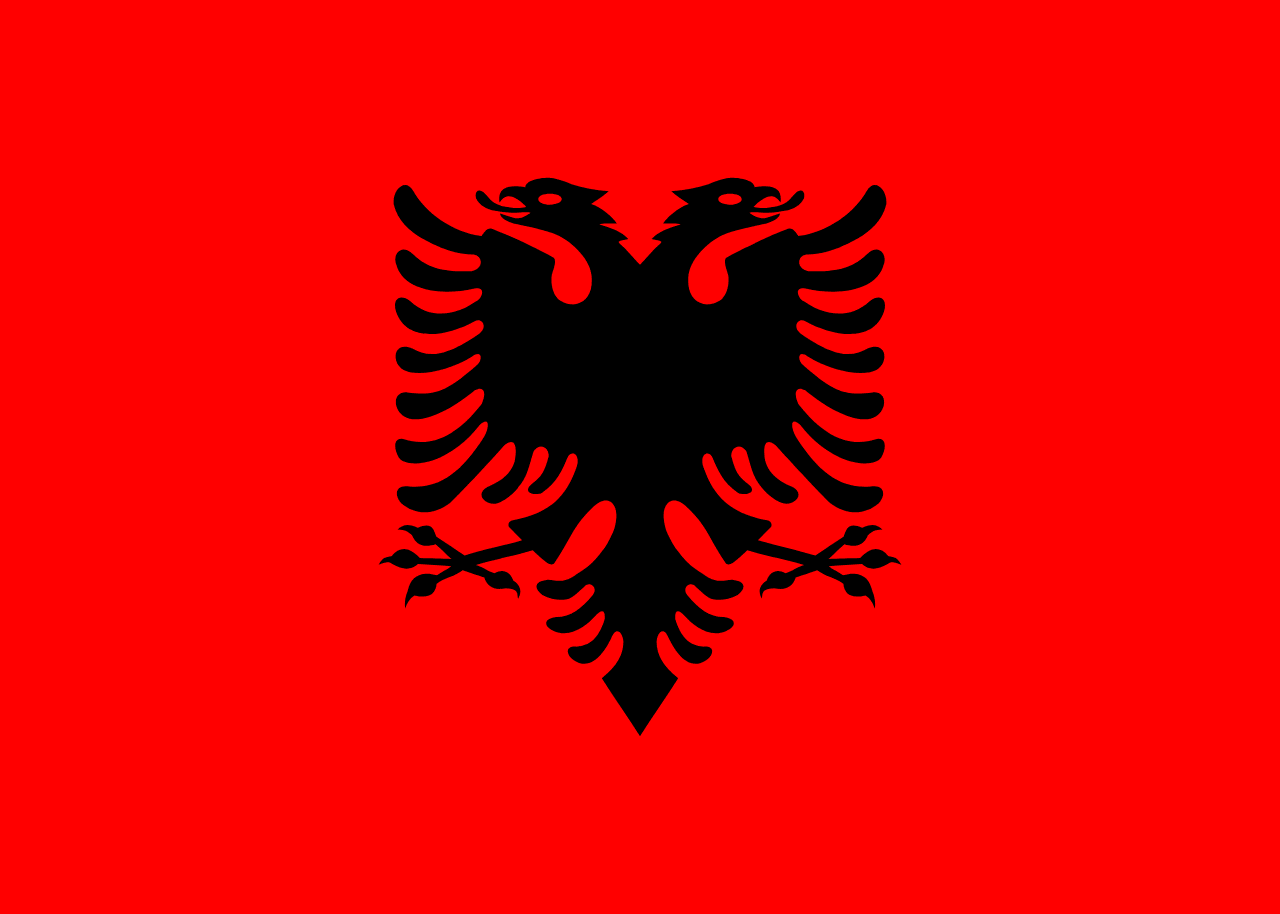
Albania, a small country nestled along the Adriatic Sea in the heart of the Balkans, has a rich tapestry of culture and history that can easily captivate anyone who ventures here. Having lived in Albania for several years now, I can confidently say that life here is an intricate blend of old-world charm and modern influences. While Albania may not be the first destination that comes to mind when one thinks of Europe, the daily life, vibrant culture, and warm-hearted people make it a uniquely rewarding experience.
Daily life in Albania can be beautifully simple yet filled with surprising depth. The mornings typically begin early, with the sun rising over the rugged mountains and the scent of freshly baked bread wafting through the streets. It’s common for locals to head to the nearest bakery, known as a “furra,” where you can find the beloved “pogaçe,” a fluffy round bread that costs around 50 lek (less than half a dollar). This bread is often enjoyed with “dough” or “byrek,” traditional savory pastries stuffed with cheese, spinach, or meat, which are perfect for a quick breakfast on the go.
As the day unfolds, life in the cities, especially in Tirana, pulses with energy. The streets are alive with the sounds of bustling markets where vendors sell everything from fresh fruits to handmade crafts. A typical day often involves a trip to the “pazari,” or market, where you can grab some seasonal fruits like peaches, cherries, or figs, often costing less than a euro for a kilo. Here, haggling is not just acceptable; it’s expected. Locals will casually banter with vendors, using phrases like "Çfarë çmimi?" (What’s the price?) and "Më zbrit pak" (Lower the price a bit), demonstrating a lively engagement that’s as much a part of the experience as the goods themselves.
The cost of living in Albania is quite affordable compared to many Western countries. Rent for a modest apartment in Tirana averages around 250 to 400 euros a month, depending on the neighborhood. Eating out is also reasonably priced; a meal at a mid-range restaurant can cost about 10 to 15 euros. This affordability allows for a comfortable lifestyle, with many locals enjoying regular meals out with family and friends.
Food culture is a cornerstone of Albanian life and is characterized by its freshness and simplicity. Meals are typically hearty, featuring locally sourced ingredients that reflect the agricultural richness of the land. The traditional cuisine is a mosaic of Mediterranean flavors, with dishes like “tavë kosi,” a baked lamb and yogurt dish, and “fasule,” a white bean stew, being staples in many households. Going to a family gathering without bringing a dish is nearly unthinkable. The customary hospitality is a point of pride, and it’s not uncommon for someone to invite you in for coffee or a meal even if they’ve just met you.
Social customs in Albania are steeped in tradition, with a strong emphasis on family ties and respect for elders. It’s common to greet elders with a slight bow and a kiss on both cheeks, a gesture that reflects the importance of relationships in daily life. There’s also a beautiful tradition of “besa,” which embodies hospitality and trust. If a guest is welcomed into a home, they are treated like family and are expected to feel at home, often being offered coffee or “raki,” a potent local spirit made from grapes or figs.
Family life in Albania is deeply rooted in communal values. Many families live together, often comprising multiple generations under one roof. This close-knit structure allows for the nurturing of bonds and support systems that are invaluable in navigating life’s challenges. Family gatherings, especially Sunday lunches, are grand affairs where laughter and stories abound, accompanied by a feast of traditional dishes. Children are cherished and often the center of attention, with grandparents playing a significant role in their upbringing.
The work culture in Albania is evolving but retains traditional elements. The typical workday runs from 8 AM to 4 PM, with a lunch break usually taken around 1 PM. While many Albanians are employed in the public sector, entrepreneurship is on the rise, with a growing number of individuals starting their own businesses, from cafes to tech startups. Adaptability and resilience are vital traits, as the job market can be competitive, particularly for younger generations.
Weekends in Albania are a time for relaxation and connection. Many locals escape the city for the stunning beaches along the Albanian Riviera or the idyllic mountains in the north. For those who stay in the city, parks and cafes become gathering spots. The Grand Park in Tirana, for instance, is a favorite among families and friends, where people stroll, jog, or simply enjoy a leisurely afternoon while sipping “kafe.” The café culture is vibrant, with locals often spending hours socializing over coffee. A small espresso may cost only about 60 lek, making it easy to indulge in this social ritual frequently.
The weather in Albania plays a significant role in shaping life here. Summers are hot and dry, with temperatures often soaring above 30°C (86°F), while winters can be chilly and rainy, particularly in the mountainous regions. The warm, sunny weather brings people outdoors, fostering a communal atmosphere where street festivals, open-air concerts, and beach gatherings become commonplace. The distinct seasons also influence food availability; summer is a time for fresh fruits and vegetables, while winter sees heartier stews and preserved foods take center stage.
Living in Albania comes with its own set of challenges, but these are often outweighed by the positives. The infrastructure, while improving, can be a work in progress, with roads in some areas needing attention. Public services may not always function as efficiently as one might hope, which can be frustrating at times. However, the resilience and resourcefulness of the Albanian people shine in such situations, often leading to creative solutions and a strong community spirit.
On the positive side, the warmth of the people is unmatched. Albanians are renowned for their friendliness, often going out of their way to help a stranger. This sense of community fosters a safe environment where people feel comfortable exploring and connecting with others. Additionally, the breathtaking natural landscapes—from the rugged mountains to pristine beaches—offer endless opportunities for adventure and exploration.
One of the biggest surprises for foreigners in Albania is the degree of hospitality and openness they experience. Many arrive with preconceived notions based on the country’s tumultuous history, but they quickly find themselves embraced by the genuine kindness of the locals. The country is full of quirks and endearing traits that may catch you off guard; for instance, it's common for strangers to strike up conversations in cafes or markets, and the local greetings can be quite elaborate. A simple “Mirëmëngjes” (Good morning) can lead to a lengthy engagement filled with smiles and laughter.
Albania is a country that defies easy categorization. Living here offers a unique blend of simplicity and richness, where daily life is infused with tradition and a tangible sense of community. From the flavors of the local cuisine to the warmth of the people, every day brings something new and delightful. While challenges exist, they are part of the fabric of life in Albania, contributing to an experience that is both colorful and enriching.
For anyone considering making Albania their home, prepare to be surprised, welcomed, and fascinated by a culture that cherishes its heritage while looking toward the future. Living in Albania is not just about the sights; it’s about the people, the stories, and the bonds you create along the way.