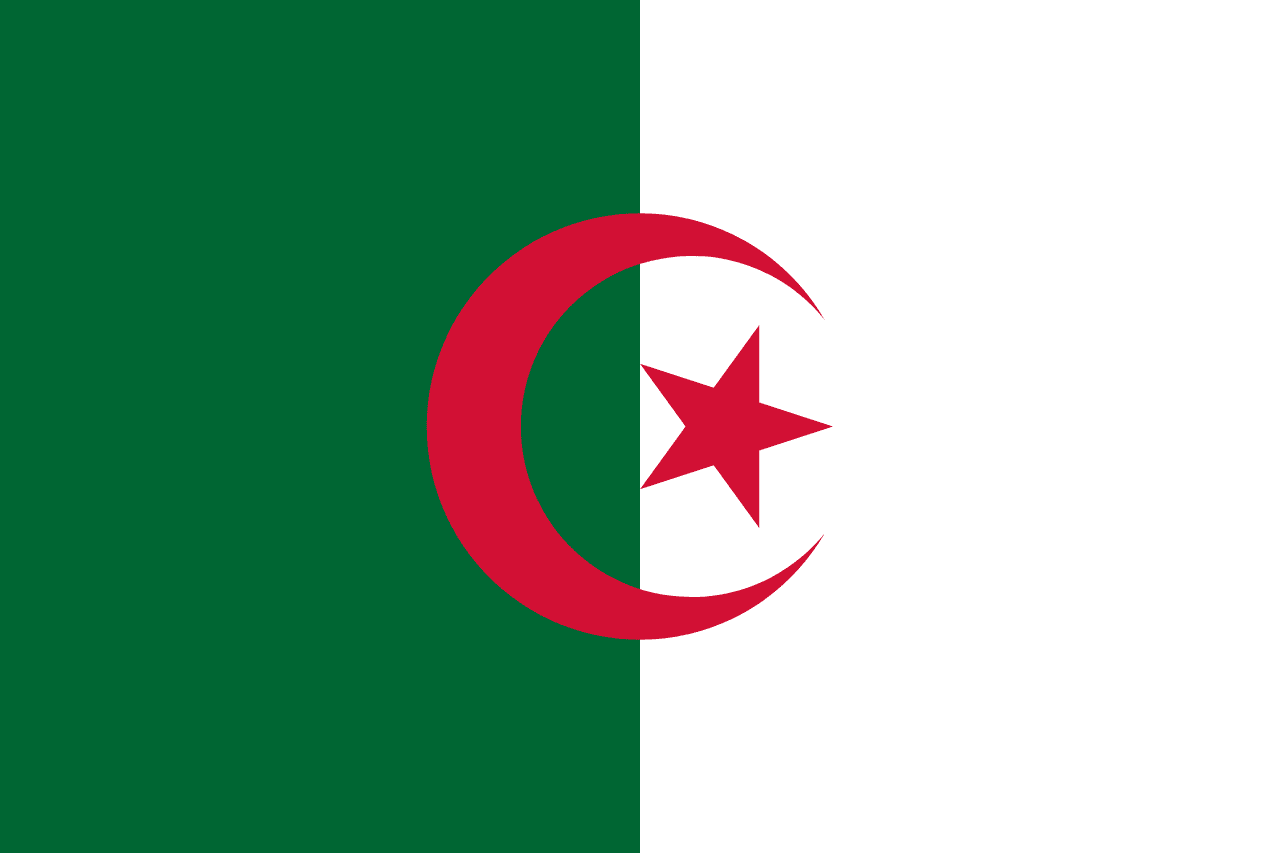
As I wandered through the sun-soaked streets of Algiers, the intoxicating aromas wafting from bustling kitchen windows wrapped around me like a warm embrace. The culinary culture of Algeria, rich with Berber, Arab, and Mediterranean influences, is a vibrant tapestry of flavors, colors, and stories that reflect the country’s diverse heritage. Each dish tells a tale that has been passed down through generations, echoing the traditions of nomadic tribes and the legacies of ancient civilizations. From the feasts of the Sahara to the coastal delights of the Mediterranean, Algeria’s food is as rich and varied as its landscapes. As I explored this enchanting land, I was eager to dive into its culinary delights, and along the way, I discovered ten must-try dishes that define Algerian cuisine.
First on my culinary journey was couscous, known locally as "seksu." This staple dish transcends mere sustenance; it's a tradition steeped in history. Made from semolina wheat, couscous is steamed to fluffy perfection and typically served with a savory sauce made from lamb or chicken, vegetables, and a blend of spices. The first bite was an explosion of flavors - the tender meat, the sweet notes of caramelized onions, and the warmth of spices like cumin and coriander. I had the pleasure of enjoying it during a family gathering in Tizi Ouzou, where couscous was the centerpiece, lovingly prepared by the matriarch of the family. It was more than just food; it was a symbol of communal bonding, served alongside stories and laughter.
Next, I encountered "chakhchoukha," a dish that embodies the heart of Algerian hospitality. This Berber specialty features pieces of flatbread soaked in a flavorful stew made with a mix of meat, chickpeas, and a variety of aromatic spices. The texture was a delightful contrast, with the bread absorbing all the rich flavors from the stew. I savored this dish at a small, local eatery in Ghardaïa, where the owner explained that chakhchoukha is often served during celebrations and gatherings, emphasizing its role as a dish for sharing and togetherness.
Then there was "tagine," a dish that varies from region to region, but always showcases the slow-cooked goodness of tender meats and vegetables. In Algeria, the tagine is not just a cooking method; it’s an art form. During my stay in Oran, I was fortunate to try "tagine zgougou," made with a base of pine nuts and served with chicken and vegetables. The combination of flavors was both comforting and exotic, with the earthiness of the pine nuts balancing the tanginess of preserved lemons. This dish was typically served at family celebrations, and each family's recipe seemed to carry its own secrets and variations, making every bite a unique experience.
As I roamed the streets of the coastal city of Annaba, I stumbled upon "machkouk," a dish that truly speaks to the love Algerians have for fresh seafood. This grilled fish, often marinated with spices and herbs, is typically served with a side of grilled vegetables and a drizzle of olive oil. The fish was succulent and flavorful, with a slight smokiness from the grill. What made this dish even more special was the ambiance of the open-air restaurant where I enjoyed it; the sound of the waves crashing against the shore was the perfect backdrop as I savored every bite, feeling more connected to the Mediterranean than ever.
Then there was "boudin," a culinary treasure I discovered in the heart of Constantine. This spicy sausage is made from a mix of lamb or beef, rice, and a blend of spices, then stuffed into natural casings and grilled to perfection. The first bite released a burst of flavors, with hints of garlic and chili dancing across my palate. I enjoyed it at a local street vendor's stall, where the aroma was irresistible. Boudin is often served during festivals and celebrations, symbolizing the joy and vivacity of Algerian culture.
In the town of Béjaïa, I encountered "mhadjeb," a delicious crepe-like dish that is a must-try for anyone visiting Algeria. Made from semolina dough, mhadjeb is filled with a mixture of sautéed onions, tomatoes, and spices, then folded and cooked on a hot griddle. The result is a crispy exterior with a soft, flavorful center. I relished this dish as a quick snack from a street vendor who had perfected the art of mhadjeb, with the warm, flaky bread practically melting in my mouth. This dish is a popular daytime snack, and its simplicity belies the depth of flavor that comes from high-quality ingredients.
Another beloved dish I had the chance to savor was "harira," a traditional soup that warms the heart and soul. Often eaten during Ramadan, harira is packed with lentils, chickpeas, tomatoes, and a blend of spices, sometimes enriched with meat. I enjoyed a steaming bowl at a café in Algiers, where the locals gathered to break their fast. The soup was thick and hearty, with a complex flavor profile that was both comforting and invigorating – perfect for the cool evening air. The sharing of harira during Ramadan is a cherished tradition, uniting families and friends in gratitude as they partake in the communal meal.
In the midst of my gastronomic journey, I discovered "dolma," a dish that showcases Algeria’s love for stuffed vegetables. Typically made with bell peppers, zucchini, or eggplants, dolma is filled with a mixture of minced meat, rice, and spices, then simmered in a savory sauce. I had the pleasure of tasting dolma at a family-run restaurant in Setif, where the chef took pride in using locally-sourced produce. The combination of tender vegetables and the savory filling created a delightful harmony of flavors. Dolma is a popular dish during festive occasions, symbolizing abundance and hospitality.
Lastly, I couldn’t leave Algeria without indulging in "baklawa," the sweet delight that has transcended cultures and continents. This iconic dessert, made from layers of filo pastry filled with nuts and honey, is a staple at weddings and celebrations. I tried baklawa at a charming patisserie in Algiers, where the crisp layers melted in my mouth and the sweetness was perfectly balanced by the nuttiness of the filling. This dessert is more than just a treat; it's a testament to Algeria’s rich history of trade and cultural exchange, as it embodies flavors and techniques from various regions.
As my culinary journey through Algeria came to an end, I reflected on the incredible flavors and stories I had encountered. Each dish was not only a feast for the senses but also a glimpse into the soul of the country. The warmth of the people, the vibrancy of the markets, and the rich traditions surrounding food left a lasting impression on my heart.
To truly experience the best food in Algeria, I recommend exploring local markets and street stalls, where the richness of flavors is often at its peak. Markets like the bustling Souk El-Had in Algiers offer fresh ingredients, aromatic spices, and the chance to witness the lively atmosphere of daily life. Street vendors are often the soul of a city’s food culture, serving up traditional dishes made with love and care. For an elevated experience, seek out family-run restaurants that pride themselves on heritage recipes, where the stories behind the food are as rich as the dishes themselves. In Algeria, every meal is an invitation to connect, to share, and to celebrate the beauty of a culture that is as diverse as its cuisine.