Angola's Kuduro: Music Born in War That Conquered the World
🌐 Translate:
Kuduro was born in the musseques — the informal settlements on the outskirts of Luanda — in the late 1980s, during the final decade of Angola's civil war. The music is fast, rhythmically complex, built on electronic beats layered over traditional semba rhythms, performed with a jerky, rigid dance style that reportedly gave the genre its name — kuduro means hard backside in Angolan Portuguese. It is music designed for people who needed to move hard and feel something fierce.
The genre spread through Angola's urban population, then jumped to the Angolan diaspora in Portugal and Brazil, where it became wildly popular — eventually influencing global electronic music in ways that listeners don't always trace back to Luanda. When music journalists write about Afrohouse or Afro-Caribbean fusion, some of those roots reach into the musseques of Angola.
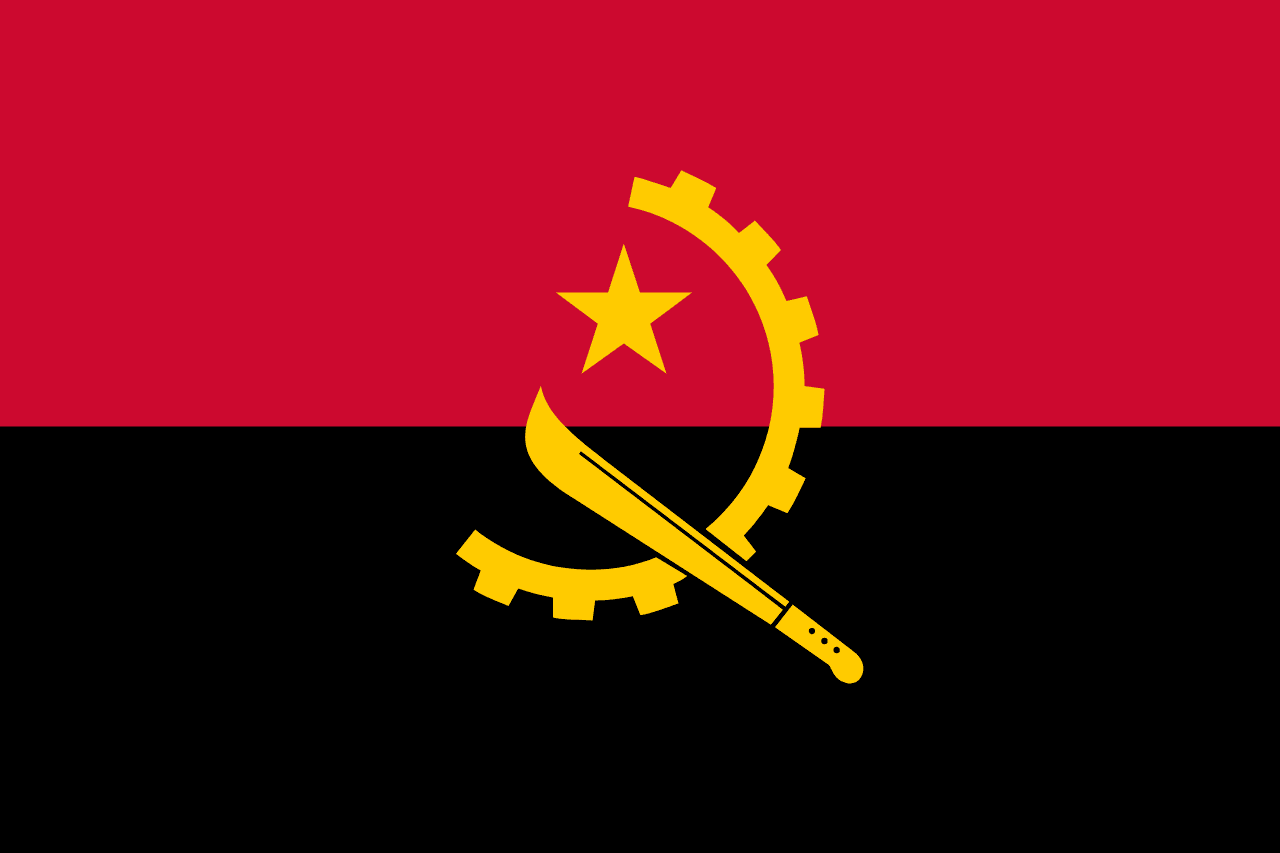
Angola itself is a country in extraordinary transition. Decades of civil war left one of Africa's wealthiest countries — in terms of oil and diamonds — among its most underdeveloped. The peace that came in 2002 released something: a young, urban population with enormous creative energy, a Portuguese-African cultural blend unlike anywhere else, and a capital city that is still figuring out what it will become. Its music, as always, is ahead of the answer.