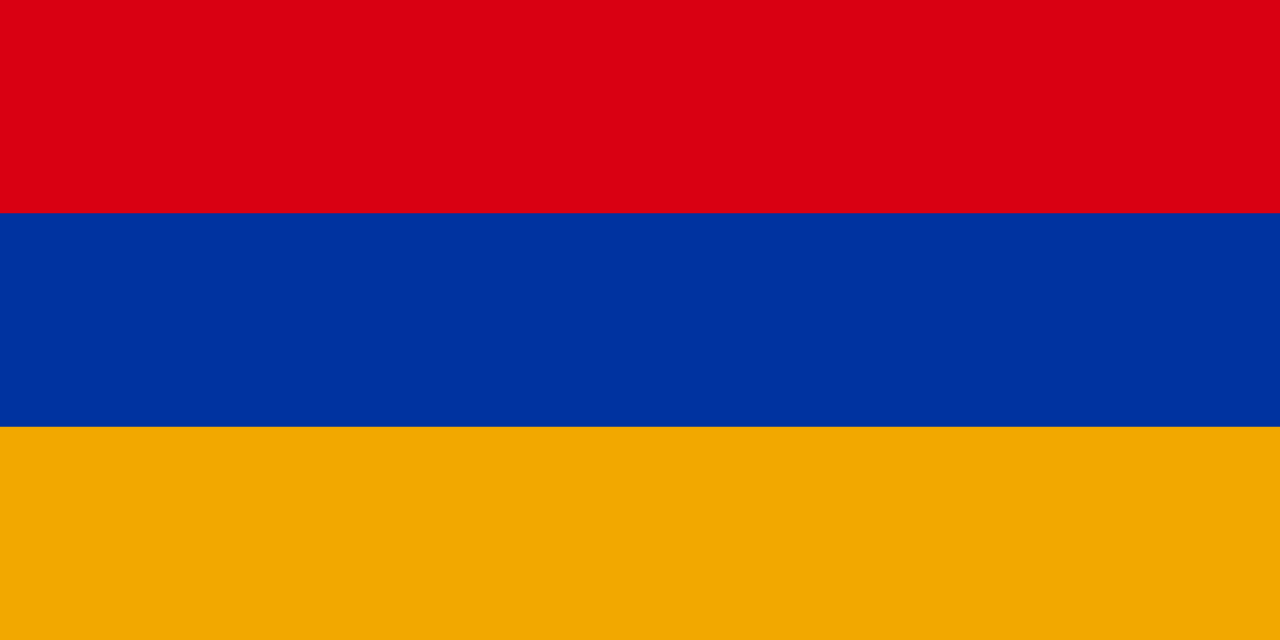
The History of Armenia: From Ancient Times to Today
🌐 Translate:
# The History of Armenia: From Ancient Times to Today
Nestled in the rugged terrains of the South Caucasus, bordered by Turkey, Georgia, Azerbaijan, and Iran, Armenia is a land steeped in history, culture, and resilience. Its position at the crossroads of civilizations has seen it play a pivotal role in the tapestry of global history. To truly appreciate the essence of Armenia, we must embark on a journey through its storied past, tracing the evolution of a nation that has weathered triumphs and tribulations alike.
## Ancient Beginnings
Armenia's history stretches back thousands of years to the dawn of civilization. Archaeological evidence points to the existence of human settlements in the region as far back as 4000 BC. The ancient Kingdom of Urartu, which flourished between the 9th and 6th centuries BC, laid the foundation for Armenian identity. Urartu, known for its formidable fortresses and advanced irrigation systems, was a formidable power that controlled the region surrounding Lake Van. The Urartian kings were celebrated for their military prowess and monumental architecture, leaving behind stone inscriptions and artifacts that continue to captivate historians today.
Around the 6th century BC, the Kingdom of Urartu began to decline, giving way to a new power: the Orontid dynasty. This marked the rise of the Armenian Kingdom, which further solidified the identity of the Armenian people. It was during this period that the Armenian language began to take shape, creating a distinct cultural and linguistic identity. The ancient Armenian pantheon, featuring gods like Aramazd and Anahit, reflected the deep connection the people had with their land and heritage.
## The Kingdom of Armenia and the Spread of Christianity
By the 1st century BC, Armenia had evolved into a powerful kingdom, often caught between the empires of Persia and Rome. The historic Battle of Artaxata in 36 BC saw the Armenian king, Tigranes II, expand his realm, establishing a short-lived empire that reached its zenith during his reign. Tigranes, often referred to as Tigranes the Great, was a visionary leader, who made Artaxata the capital and turned it into a bustling hub of culture and trade.
However, the most significant turning point came in the early 4th century AD when Armenia became the first nation to adopt Christianity as its state religion, a momentous event largely attributed to St. Gregory the Illuminator. This conversion not only aligned Armenia with the burgeoning Christian world but also fostered a unique cultural identity. The establishment of the Armenian Apostolic Church became a cornerstone of Armenian identity, setting it apart from its neighbors and forging a deep spiritual connection that endures to this day.
The 5th century was a golden age for Armenian literature and culture, with the creation of the Armenian alphabet by Mesrop Mashtots in 405 AD. This innovation enabled the recording of Armenian history, folklore, and religious texts, fostering a national consciousness that would prove vital in the centuries to come.
## Medieval Kingdoms and Foreign Domination
As the centuries passed, Armenia faced a turbulent series of invasions and occupations. The Byzantine, Arab, and Seljuk empires all laid claim to this strategic region. The 11th century saw the establishment of the Armenian Kingdom of Cilicia, a significant foothold that allowed Armenians to flourish away from the oppressive controls of foreign empires. Under the leadership of King Levon I, the kingdom became a center of commerce and culture, drawing traders and scholars from across the Mediterranean and beyond.
Yet, this prosperity was not to last. The rise of the Ottoman Empire in the 15th century brought new challenges. The Armenians, who had historically been treated as dhimmis (protected non-Muslims) under Islamic rule, found themselves increasingly marginalized. The late 19th century was marked by a surge of nationalism, a desire for autonomy, and cultural revival among Armenians, leading to the establishment of various political organizations, including the Armenian Revolutionary Federation (ARF).
However, the hopes for self-determination were tragically shattered during World War I. The Armenian Genocide, perpetrated by the Ottoman government from 1915 to 1922, marked one of the darkest chapters in Armenian history. Approximately 1.5 million Armenians lost their lives in a systematic campaign of extermination, forced deportations, and death marches. Despite the unimaginable suffering, the survivors persevered, carrying their culture and identity into exile.
## The Road to Independence
In the aftermath of World War I and the dissolution of the Ottoman Empire, Armenia saw a brief moment of independence in 1918. The First Republic of Armenia was established, but it faced insurmountable challenges: economic turmoil, territorial disputes with neighboring countries, and the looming threat of Soviet expansion. The republic, though ambitious in its goals, was short-lived, succumbing to the Red Army invasion in 1920.
Armenia became part of the Soviet Union in 1922, undergoing significant industrialization and modernization under Soviet rule. The Armenian Soviet Socialist Republic was a time of both progress and repression, as the Stalinist regime imposed strict controls on political, cultural, and religious expressions. Despite the challenges, the period saw a revival of national consciousness, and Armenian culture, literature, and art flourished under state sponsorship.
## The Winds of Change: Independence and Modern Challenges
The late 1980s brought about sweeping changes across the Soviet Union, and Armenia was no exception. Fueled by a desire for independence and the reawakening of national identity, the Armenian people began to mobilize. The 1988 Spitak earthquake, which devastated parts of northern Armenia, coupled with the escalating conflict in Nagorno-Karabakh—an ethnic Armenian region in Azerbaijan—ignited a fervor for self-determination.
On September 21, 1991, Armenia declared its independence from the Soviet Union, a moment celebrated with widespread jubilation and hope. However, the newly independent nation faced immediate challenges: a struggling economy, political instability, and the ongoing conflict over Nagorno-Karabakh. The war with Azerbaijan (1988-1994) shaped the nation’s identity, as thousands of Armenians rallied to defend their ancestral lands, culminating in a fragile ceasefire that left the region in limbo.
The 1990s and early 2000s were marked by economic hardship and political turbulence, yet the Armenian spirit proved resilient. The diaspora, a crucial part of the Armenian narrative, played a significant role in supporting the nation, preserving its culture, and advocating for recognition of the genocide on international platforms.
## Armenia Today: A New Chapter
Today, Armenia stands at a crossroads, navigating the complexities of modern geopolitics while striving to preserve its rich cultural heritage. The Velvet Revolution of 2018 marked a significant turning point in its political landscape, as Nikol Pashinyan, a former journalist, rose to power through a peaceful movement advocating for democracy and reform. The revolution galvanized a new generation of Armenians eager to reshape their nation’s future.
However, the country continues to grapple with the unresolved tensions stemming from the Nagorno-Karabakh conflict, which flared into renewed violence in 2020. Despite this, Armenia remains dedicated to carving a path towards peace and prosperity, engaging in diplomatic efforts to strengthen ties with international partners while nurturing its vibrant cultural identity.
Armenia is more than a geographical entity; it is a testament to endurance, a repository of ancient traditions, and a beacon of hope for future generations. As the nation embraces its past while forging a new identity, it stands as a reminder that even in the face of adversity, the spirit of a people can shine brightly, illuminating the way forward.
In conclusion, the history of Armenia is a tapestry woven from threads of triumph and tragedy, resilience and hope. From its ancient roots to its modern aspirations, Armenia’s narrative is a powerful testament to the enduring spirit of a nation that refuses to be defined solely by its hardships but instead celebrates its rich heritage and the promise of a brighter future.