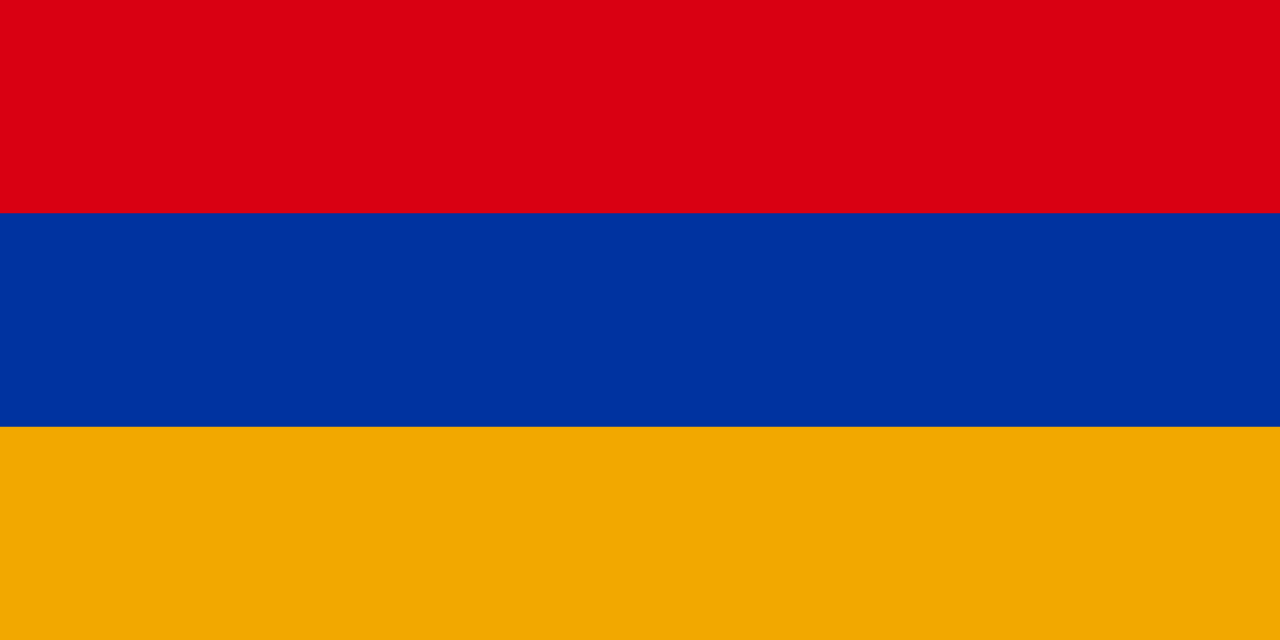
Living in Armenia offers a unique tapestry of daily life that weaves together rich traditions, warm hospitality, and a landscape that captivates at every turn. After having spent several years in this beautiful country, I’ve come to appreciate both the challenges and the joys that come with living in Armenia. From the bustling streets of Yerevan to the serene countryside, everyday life here is a vibrant mix of the old and the new.
Starting with daily life in Armenia, mornings often greet you with the aroma of freshly brewed coffee mingling with the scent of freshly baked lavash, the traditional Armenian flatbread. Most people begin their day relatively early, with shops opening around 8 a.m. The local bus system is reliable, albeit a bit crowded, and for a mere 100 dram (about 25 cents), you can catch a ride to almost anywhere in Yerevan. Taxis are also available—look for the yellow cars or use ride-hailing apps like Yandex Go, where a typical ride within the city costs about 1,500 to 3,000 dram (around $4 to $8).
Living costs in Armenia are quite affordable compared to many Western countries. Rent, for instance, can range from 80,000 to 150,000 dram ($200 to $400) for a comfortable one-bedroom apartment in Yerevan, while utility bills hover around 20,000 dram ($50) monthly. Groceries are inexpensive as well; you can expect to pay about 1,500 dram ($4) for a kilo of tomatoes, and a liter of milk costs around 400 dram ($1). Eating out can be just as economical, with a hearty meal at a local eatery costing only 2,500 to 5,000 dram ($6 to $12).
When it comes to food culture, Armenia is a veritable feast for the senses. Traditional dishes like khorovats (grilled meat), dolma (stuffed grape leaves), and harissa (a slow-cooked dish of wheat and chicken) dominate the culinary landscape. Meals are often communal affairs, emphasizing the importance of family and togetherness. It’s common for locals to invite friends over for a feast, which can last several hours, complete with toasts to friendship and health, using the phrase "Genats," which means "to health."
Street food is also a highlight of Armenian life. You’ll often find vendors selling gata (sweet pastry), lavash, and kebabs in outdoor markets, where a quick snack can cost less than a dollar. Every autumn, local festivals celebrate the harvest, featuring freshly pressed pomegranate juice and homemade wines.
Social customs in Armenia are deeply rooted in respect for tradition and community. When greeting someone, a firm handshake is customary, often followed by a kiss on the cheek for friends and family. The Armenian language, rich and complex, carries phrases that reflect the culture's warmth. “Barev dzez” (hello) is commonly used, and locals often inquire about your well-being with “Vor es?” (How are you?).
Family life in Armenia is central to daily existence. It is not uncommon for multiple generations to live under one roof. Sunday lunches are a big deal; families gather around the table to enjoy a leisurely meal, share stories, and reconnect. Celebrations, be it birthdays or national holidays, are filled with music, laughter, and, of course, lots of food.
Work culture in Armenia is evolving, especially among the younger generation. The labor market is competitive, with many people pursuing careers in technology and services. The typical workday runs from 9 a.m. to 6 p.m., though flexibility is becoming increasingly common. A coffee break often includes a short chat about sports or politics, and colleagues are more like your extended family.
Weekends in Armenia can be a delightful contrast to the busy workweek. Many locals enjoy hiking in the beautiful landscapes surrounding Yerevan, particularly in places like Garni and Geghard, where the stunning natural beauty meets ancient history. The weather plays a significant role in weekend plans. Summers are warm, with temperatures reaching up to 35°C (95°F), making it perfect for picnics and outdoor gatherings. In contrast, winters can be harsh, with temperatures dropping to -10°C (14°F). Snow-covered mountains provide a picturesque backdrop for winter sports, and you’ll find locals skiing in Tsaghkadzor, a popular retreat just outside Yerevan.
Living in Armenia is not without its challenges. The economy, while improving, still faces hurdles, such as unemployment and inflation. Some public services may not meet the standards found in more developed nations, and bureaucratic processes can be slow. However, this is often compensated by the strong sense of community. Neighbors look out for one another, and it’s common for people to lend a hand, whether it’s helping with groceries or watching each other’s children.
The positives of living in Armenia far outweigh the negatives. The warmth of the people is something that stays with you long after you leave. Hospitality is a way of life here, and you’ll find that many families will invite you into their homes for a meal, often insisting you eat more even when you’re full. The sense of belonging is palpable; friendships formed here are often deep and lasting.
One of the most surprising aspects for many foreigners is the country’s rich heritage and its deep sense of pride in its history. Armenia was the first nation to adopt Christianity as a state religion, and the impressive churches and monasteries scattered throughout the country reflect this deep-rooted faith. When you visit the ancient monastery of Khor Virap, for instance, standing in the shadow of Mount Ararat, it’s impossible not to be moved by the history that pulses through the land.
Another surprise is the cultural blend that exists in Armenia. The country’s location at the crossroads of Europe and Asia means that you’ll find influences from neighboring countries, which enrich the local culture. Traditional Armenian music often features the duduk, a woodwind instrument that produces a hauntingly beautiful sound, and you’ll find that music plays an integral role in celebrations and gatherings.
Armenian people are incredibly resilient, shaped by a history that includes both triumph and tragedy. This resilience is reflected in their daily lives—there’s a strong emphasis on preserving cultural identity while adapting to modern influences. The younger generation is enthusiastic and entrepreneurial, working to ensure that Armenia’s rich traditions continue to thrive in this rapidly changing world.
In conclusion, living in Armenia is an experience filled with contrasts and delights. The affordability, culinary richness, and warm-hearted people create a unique environment that feels both welcoming and inspiring. Despite its challenges, life in Armenia is rewarding, offering a glimpse into a culture that values tradition, community, and resilience. Whether you find yourself hiking in the mountains, sharing a meal with friends, or simply soaking in the vibrant atmosphere of Yerevan, you will discover that everyday life in Armenia is truly a one-of-a-kind journey.