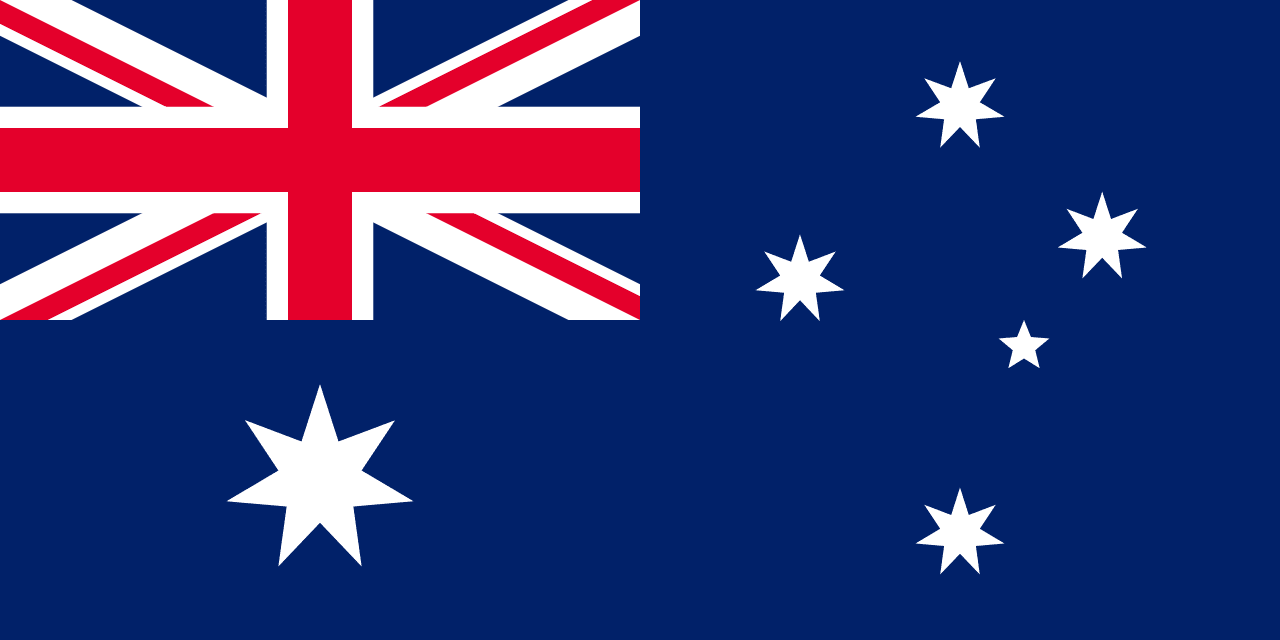
The History of Australia: From Ancient Times to Today
🌐 Translate:
# The History of Australia: From Ancient Times to Today
Australia, a land of striking landscapes and rich biodiversity, is also home to a tapestry of history that stretches back thousands of years. This history is woven with threads of ancient Indigenous cultures, the ambitions of European explorers, the complexities of colonialism, and the evolution of a nation into a modern democracy. Understanding this multifaceted past is key to appreciating the Australia we know today.
## Ancient Indigenous History
Long before the arrival of European settlers, Australia was inhabited by Indigenous peoples, whose history extends back at least 65,000 years. The Aboriginal and Torres Strait Islander peoples have rich cultural traditions, languages, and spiritual beliefs deeply connected to the land. Their connection to the land is not merely geographical; it is spiritual and cultural, embodied in Dreamtime stories that explain the creation of the world and the natural order.
The diversity among Indigenous groups is astonishing. Over 250 distinct languages were spoken across the continent, each tied to specific regions and peoples. Communities thrived through complex social structures, hunting, gathering, and sustainable land management practices. For instance, the Fire-stick farming, a method of controlled burning, played a vital role in shaping the Australian landscape, promoting biodiversity and facilitating the growth of edible plants.
The arrival of first Europeans dramatically altered this ancient way of life, but the resilience of Indigenous cultures has ensured that many traditions and practices persist today, despite the challenges they have faced over centuries.
## European Exploration and Colonization
In 1606, Dutch explorer Willem Janszoon made the first recorded European landing on Australian shores at Cape York Peninsula. However, it was not until 1770 that Captain James Cook charted the eastern coastline, claiming it for Great Britain and naming it New South Wales. Cook's journey opened the door to European interest; soon, the continent would be seen as a solution to Britain's burgeoning prison overcrowding.
In 1788, the First Fleet, comprising 11 ships and over 700 convicts, landed at Botany Bay, marking the start of British colonization. The establishment of Sydney as a penal colony sparked significant changes across the continent. The British viewed the land as terra nullius—meaning "land belonging to no one"—ignoring the fact that Indigenous peoples had occupied and managed these lands for millennia.
The consequences for Indigenous Australians were devastating. Colonization brought diseases to which they had no immunity, leading to dramatic population declines. Violent confrontations erupted as settlers pushed further inland, leading to what is now referred to as the Frontier Wars. These incursions disrupted traditional lifestyles, and their impact reverberates through generations.
## The Gold Rush and Economic Expansion
As the 19th century unfolded, Australia underwent significant transformation. The discovery of gold in the 1850s attracted waves of immigrants from across the globe, including the United Kingdom, China, and Europe. This Gold Rush not only fueled economic growth but also catalyzed a national identity. Towns sprang up almost overnight, with Melbourne and Ballarat emerging as bustling hubs.
The wealth generated from the goldfields allowed for infrastructure development and the establishment of public institutions. However, the influx of immigrants also led to social tensions, contributing to a growing movement for restrictive immigration policies, particularly against Chinese migrants, which persisted throughout the century.
As prosperity grew, so did calls for self-governance. In 1901, the six British colonies united to form the Commonwealth of Australia, a monumental step toward nationhood. The constitution created a federal system, balancing powers between the national government and the states. This period also saw the rise of influential figures like Sir Edmund Barton, Australia's first Prime Minister, who played a crucial role in promoting the new federation.
## The Role of World Wars
Australia's identity as a nation continued to evolve through the turbulent events of the 20th century, particularly during the two World Wars. The participation of Australian forces in World War I, famously epitomized by the ANZACs (Australian and New Zealand Army Corps) at the Gallipoli campaign in 1915, forged a strong sense of national pride. The heavy losses endured were felt deeply, with the horrors of war shaping the collective consciousness of a young nation.
After World War II, Australia faced new challenges and opportunities. The post-war era was characterized by a significant influx of European immigrants, leading to a multicultural society. The government launched ambitious immigration policies to boost the workforce, shaping a population that would come to embrace diverse cultures while also grappling with the legacies of its colonial past.
## Towards Recognition and Reconciliation
The latter half of the 20th century was marked by significant social change and movements aimed at recognizing Indigenous rights and fostering reconciliation. The 1967 referendum, which allowed Indigenous Australians to be counted in the census and for the federal government to legislate on their behalf, marked a pivotal moment in this journey. It was a monumental recognition of the rights of Indigenous peoples within the Australian political framework, though the struggle for land rights and recognition continued.
In 1992, the High Court's decision in the Mabo case recognized the concept of native title, overturning the notion of terra nullius. This landmark ruling acknowledged the historical connection of Indigenous people to the land, paving the way for land claims and a broader awareness of Indigenous rights across the nation.
The 21st century has seen ongoing efforts toward reconciliation, with movements advocating for constitutional recognition of Indigenous Australians and healing the wounds of history. National Sorry Day and NAIDOC Week are essential platforms, stirring public awareness and promoting Indigenous culture’s significance.
## Australia Today: A Nation of Diversity
Today, Australia stands as a vibrant and diverse nation. While it is characterized by stunning landscapes, unique wildlife, and a robust economy, its true strength lies in its multicultural society. The waves of immigration that have shaped modern Australia have brought rich cultural contributions, evident in cuisine, art, and community life.
Contemporary Australian culture, while honoring its Indigenous roots, embraces a hybrid identity that reflects its diverse population. The arts scene flourishes, with Indigenous artists gaining national and international recognition. Contemporary issues, such as climate change, immigration policies, and debates surrounding Indigenous rights, dominate public discourse and showcase the nation’s commitment to progress.
In politics, Australia has a parliamentary democracy that reflects both British influences and unique local principles. It grapples with its colonial past while striving for a future that is equitable and inclusive. As the country moves forward, discussions around treaties with Indigenous peoples and recognition in the Constitution remain central to the national conversation.
## Conclusion
The history of Australia is a rich and complex tapestry woven from the ancient threads of Indigenous cultures, the ambitions of European settlers, the trials of war, and the quest for social justice and reconciliation. Acknowledging this history is crucial for understanding not only where Australia has come from but also where it is headed.
As Australia stands today—proud of its multicultural identity and grappling with its past—there is a shared hope for a future that fully embraces and respects its Indigenous heritage. The journey is ongoing, with each generation tasked with contributing to the narrative of this beautiful land, ensuring that all voices are heard, recognized, and celebrated.