The History of Bahamas: From Ancient Times to Today
🌐 Translate:
# The History of Bahamas: From Ancient Times to Today
Nestled in the vibrant blue embrace of the Atlantic Ocean, the Bahamas is an archipelago that boasts a rich tapestry of history, culture, and resilience. Its story unfolds across millennia, from the settlements of ancient peoples to the emergence of a modern nation. Join us as we explore the captivating history of the Bahamas, a journey that reveals the interplay of indigenous cultures, colonial ambitions, and the quest for independence.
## The Ancient and Indigenous History
Long before European explorers set foot on Bahamian soil, the islands were populated by indigenous peoples whose lives were intricately woven with the land and sea. The Lucayans, a subgroup of the Taíno people from Hispaniola, were the most notable inhabitants of the Bahamas prior to European contact. Arriving around 1000 A.D., the Lucayans thrived in this tropical paradise, living in small, communal groups and practicing agriculture, fishing, and hunting.
The Lucayans developed a rich culture, marked by intricate pottery, basketry, and a belief system that reverberated with their natural surroundings. They worshipped a pantheon of gods, while their spiritual practices often revolved around the sea, which provided sustenance and served as a pathway to their afterlife. The islands were interconnected by their maritime routes, fostering a sense of community among the Lucayans, who traded with neighboring islands and cultivated a deep connection to the ocean.
However, this idyllic existence was abruptly shattered in the late 15th century. When Christopher Columbus embarked on his fateful journey across the Atlantic in 1492, he made landfall in the Bahamas, believing he had discovered a new route to the riches of Asia. His arrival marked the beginning of a tragic era for the Lucayans. Seeking gold and resources, Columbus and subsequent European explorers decimated the indigenous population through violence, enslavement, and the spread of diseases to which the Lucayans had no immunity.
By the mid-16th century, the Lucayan population had dwindled to near extinction, coerced into servitude or driven from their homes. The once-thriving culture faded into obscurity, and the islands were left largely uninhabited until the next wave of settlers arrived.
## The Colonial Period
The Bahamas' colonial history began in earnest in the early 17th century when the British established their first permanent settlement on the island of Eleuthera in 1647. Seeking refuge from religious persecution in England, a group of Puritans laid the foundation for what would become one of the first British colonies in the Americas. The island's name, Eleuthera, derives from the Greek word for "freedom," hinting at the settlers' aspirations for liberty.
However, the Bahamas truly flourished as a British colony after the establishment of Nassau, the capital, in 1695. Situated on New Providence Island, Nassau's strategic location made it a key port for trade and commerce. The island soon attracted privateers and pirates, including the infamous Blackbeard, who saw the Bahamas as a haven for their nefarious activities. The golden age of piracy brought both wealth and lawlessness, and the British crown struggled to maintain order.
In 1718, recognizing the need for governance, the British appointed Woodes Rogers as the first royal governor of the Bahamas. Rogers sought to restore order and encourage legitimate commerce by offering pardons to pirates willing to abandon their life of crime. His efforts led to a gradual decline in piracy and a revitalization of the economy. The Bahamas became an agricultural society, cultivating crops such as cotton, sugar, and tobacco, and establishing plantations that would shape the islands' social fabric.
The slave trade played a pivotal role in the Bahamas’ colonial economy. Enslaved Africans were forcibly brought to the islands to work on plantations, and their cultural influences began to permeate Bahamian identity. Despite the brutalities of slavery, enslaved individuals forged vibrant communities, blending African traditions with remnants of indigenous culture and European influences. Music, dance, and folklore thrived, laying the groundwork for the rich cultural heritage that defines the Bahamas today.
## The Road to Independence
As the 19th century unfolded, the Bahamas witnessed significant changes driven by global currents. The abolition of slavery in the British Empire in 1834 marked a turning point, though the path to equality and social justice remained fraught with challenges. Formerly enslaved people fought for their rights, advocating for land ownership and political representation.
The push for greater self-governance gained momentum in the early 20th century, as the Bahamas began to establish a political identity separate from British rule. In 1940, the country introduced its first constitution, granting limited self-governance. The Bahamas formed its first political parties, and the call for full independence grew louder.
A pivotal moment came in 1967 when Lynden Pindling, the leader of the Progressive Liberal Party (PLP), became the first black Premier of the Bahamas. Pindling championed the cause of independence, leading efforts to negotiate the nation’s future with Britain. His vision resonated with the masses, and the Bahamas gained its independence on July 10, 1973, becoming a sovereign nation within the Commonwealth of Nations.
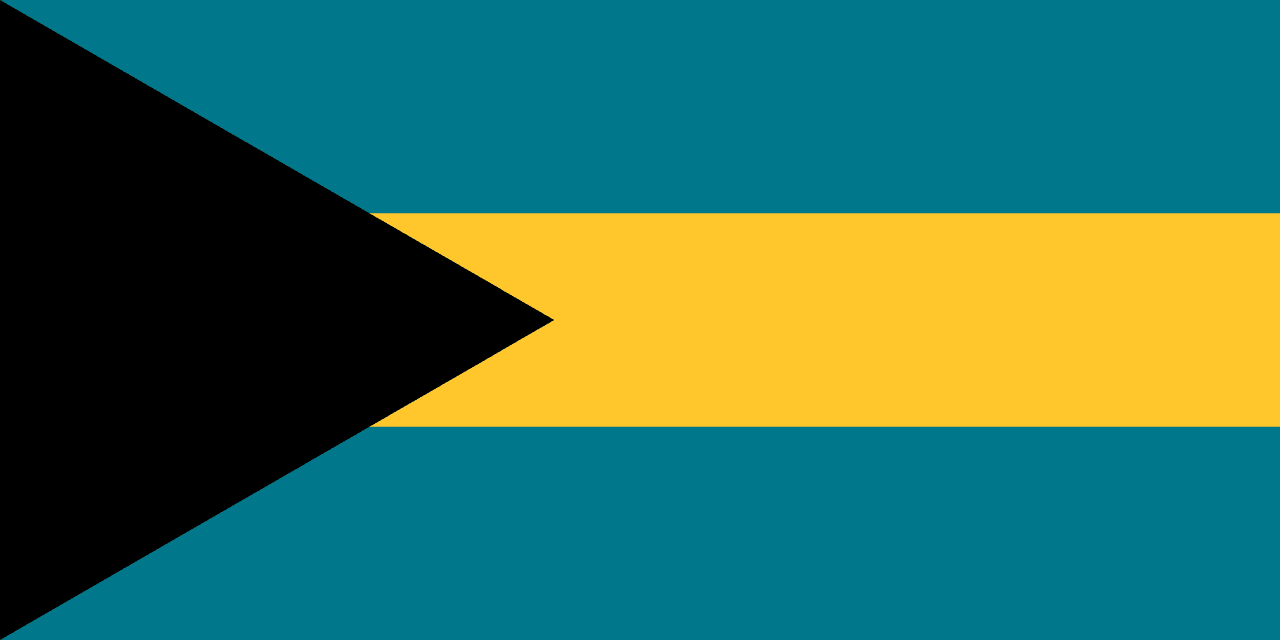
The journey to independence was not merely political; it was a profound cultural awakening. The Bahamas embraced its diverse heritage, celebrating the contributions of its African roots and the legacies of its indigenous peoples. The national anthem, "March On, Bahamas," and the flag, adorned with a black triangle representing the strength of the people, reflected the nation’s identity and aspirations.
## The Bahamas Today
Today, the Bahamas is a thriving nation known for its stunning landscapes, vibrant culture, and resilient spirit. Comprising over 700 islands, the archipelago continues to attract millions of tourists each year, drawn by its pristine beaches, crystal-clear waters, and rich history. Nassau remains a bustling hub, offering a blend of colonial architecture, modern resorts, and a lively arts scene.
However, the Bahamas also grapples with contemporary challenges. Economic reliance on tourism exposes the nation to fluctuations in global markets and environmental vulnerabilities. Climate change presents an existential threat, with rising sea levels and hurricanes becoming more frequent. The devastating impact of Hurricane Dorian in 2019, which ravaged parts of the Abacos and Grand Bahama, underscored the urgency for sustainable development and disaster preparedness.
Culturally, the Bahamas thrives, celebrating its heritage through music, dance, and festivals. Junkanoo, a vibrant festival featuring elaborate costumes and energetic parades, showcases the unique blend of African and Bahamian traditions. It remains a symbol of national pride, embodying the creativity and resilience of a people who have overcome adversity.
In recent years, there has been a renewed focus on preserving the islands’ history and heritage. Museums, cultural centers, and historical sites offer visitors a glimpse into the Bahamas' past, shedding light on its indigenous roots, colonial struggles, and the journey toward independence. Efforts to honor the legacy of the Lucayans and recognize the contributions of enslaved Africans reflect a commitment to inclusivity and reconciliation.
## Conclusion
The history of the Bahamas is a tale of resilience, transformation, and cultural richness. From the ancient Lucayans who first inhabited the islands to the modern nation that stands today, each chapter of this story reveals the indomitable spirit of a people shaped by their environment and history. As the Bahamas navigates the challenges of the 21st century, it carries forward the lessons of its past, embracing a future rooted in unity, pride, and hope. The journey continues, and the Bahamas remains a vibrant testament to the power of culture, perseverance, and the enduring quest for freedom.