The History of Barbados: From Ancient Times to Today
🌐 Translate:
# The History of Barbados: From Ancient Times to Today
Barbados, a small island nestled in the Caribbean Sea, boasts a rich tapestry of history that stretches back thousands of years. From its ancient indigenous inhabitants to its current status as an independent nation, the journey of Barbados is one of resilience, transformation, and cultural fusion. This blog post will take you through the epochs of Barbados's history, exploring its indigenous roots, colonial entanglements, and its evolution into a modern nation.
## Ancient Times and Indigenous Roots
Long before the arrival of Europeans, the island of Barbados was home to the Arawak and later the Carib peoples, indigenous groups who settled in the Caribbean around 2500 BC. The Arawaks were the first known inhabitants, known for their agricultural skills, fishing techniques, and pottery-making. They cultivated crops such as cassava, sweet potatoes, and maize, establishing a sustainable way of life.
The Caribs, a more aggressive and territorial group, arrived around the 15th century and displaced the Arawaks from several islands in the region, including Barbados. They were known for their prowess in warfare and their seafaring capabilities. The Caribs’ arrival marked a significant turning point in the island's history, as their interactions with the Arawaks led to cultural exchanges but also conflict.
However, little remained of these early civilizations by the time Europeans arrived. The indigenous populations had diminished due to the pressures of migration and the effects of European diseases that decimated communities across the Caribbean. The rich cultural heritage of the Arawak and Carib peoples, their languages, stories, and traditions, began to fade, leaving behind only fragments that would later be rediscovered by historians and archaeologists.
## The Age of Discovery and Colonization
The year 1625 marked the dawn of a new era for Barbados when the British ship, the "Olive Blossom," arrived, led by Captain John Powell. The island, uninhabited by any significant colonial presence at the time, quickly captured the interest of the English Crown. In 1627, the first official British settlement was established, and the island was claimed for King James I.
The early years of colonization were fraught with challenges. The settlers struggled against the island’s harsh conditions and scarce resources. However, the introduction of sugarcane cultivation in the 1630s would transform Barbados and catapult it into the economic limelight of the Caribbean. Sugar became the new gold, fueling the economy and attracting more settlers.
To meet the rising demand for labor in sugar production, the British turned to the transatlantic slave trade, bringing enslaved Africans to the island in staggering numbers. By the late 17th century, the enslaved population vastly outnumbered the white settlers, creating a society marked by stark racial divides and a brutal plantation economy. The profits from sugar not only enriched the plantation owners but also laid the foundations for the British Empire, making Barbados one of its wealthiest colonies.
## The Sugar Revolution and Socioeconomic Struggles
The 17th and 18th centuries saw Barbados become a pivotal player in the sugar trade, with plantations dominating its landscape. The island’s economy boomed, and its social structure shifted dramatically. A wealthy planter class emerged, enjoying lavish lifestyles while the majority of the population—enslaved Africans—endured brutal working conditions and systematic oppression.
Despite the wealth generated, life on the island was tumultuous. Enslaved people resisted their circumstances in various ways, from everyday acts of defiance to outright rebellion. The most notable of these was the Bussa's Rebellion in 1816, named after a slave who orchestrated a revolt against the oppressive plantation system. Although the rebellion was suppressed, it highlighted the growing discontent and desire for freedom among the enslaved population.
The struggle for emancipation began to take shape in the early 19th century, fueled by growing abolitionist sentiments in Britain. With the passage of the Slavery Abolition Act in 1833, enslaved people in Barbados were freed on August 1, 1834, marking a monumental shift in the island's history. However, the transition to freedom was fraught with challenges, as many former slaves found themselves in dire economic straits, while plantation owners faced a drastic reduction in labor force.
## The Path to Independence
The decades following emancipation were characterized by social and political upheaval. Despite being free, the formerly enslaved population faced lingering discrimination, economic disadvantage, and a lack of political representation. The struggle for better living conditions and rights became a rallying cry, leading to several labor riots throughout the 1930s.
One of the key figures during this formative period was Errol Barrow, who emerged as a powerful voice for the people. Known as the "Father of Independence," Barrow played a crucial role in securing political rights for Barbadians. His formation of the Democratic Labour Party (DLP) in 1955 began a new chapter in the political landscape of Barbados, advocating for social reform and economic development.
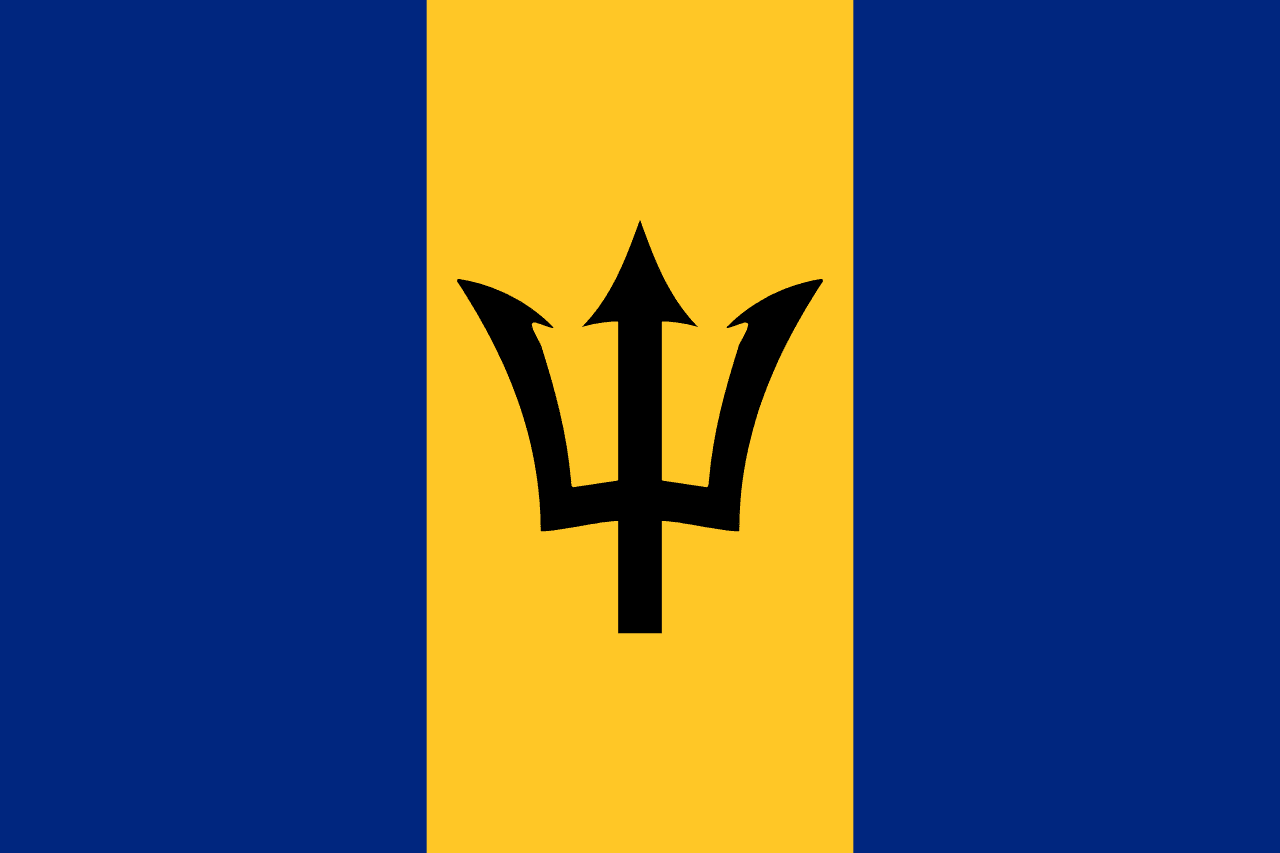
Barbados achieved full internal self-government in 1961, a vital step toward independence. The winds of change were blowing across the Caribbean, as several other islands were also moving toward autonomy. After years of struggle, independence was finally granted on November 30, 1966. Barbados became a sovereign nation, marking the end of over 300 years of colonial rule.
## Modern Barbados: A Nation Reimagined
Since gaining independence, Barbados has continued to evolve, balancing its colonial past with aspirations for a bright future. The island has made significant strides in education, healthcare, and tourism, transforming itself into a popular destination for travelers seeking sun-soaked beaches and rich cultural experiences.
Barbados also made headlines in 2021 when it officially removed Queen Elizabeth II as its head of state, becoming a republic. This historic move signaled a new chapter in the nation’s journey, emphasizing its commitment to self-determination and cultural identity. Sandra Mason became the first president of Barbados, marking a significant moment in its history as it embraced a more independent governance framework.
Today, Barbados stands as a testament to resilience and adaptation. The island has worked hard to maintain its cultural heritage, with festivals like Crop Over celebrating its African roots and the impact of sugar production. The country has also made significant strides in sustainable development, seeking to balance economic growth with environmental responsibility.
## Lesser-Known Historical Facts
1. **The Island's Name**: The name "Barbados" is derived from the Portuguese word "Os Barbados," referring to the island's fig trees that have long, hanging beards resembling beards. This name was adopted by the British after taking possession of the island.
2. **Barbados as a Model Colony**: During the 17th century, Barbados was often seen as a model colony for other British territories in the Caribbean due to its successful sugar economy and plantation system.
3. **The Great Hurricane of 1831**: The Great Hurricane of 1831 devastated the island, significantly impacting sugar production and leading to changes in agricultural practices. This event was a turning point in the island's economic history.
4. **Contribution to World War II**: During World War II, Barbados played a strategic role as a military base for the Allies, showcasing its importance beyond the realm of sugar production.
5. **Cultural Melting Pot**: The unique fusion of African, British, and Caribbean influences has given rise to a rich cultural scene in Barbados, from its music and dance to its culinary traditions that continue to evolve and thrive today.
## Conclusion
Barbados's history is a captivating narrative woven from its indigenous roots, colonial exploits, and the indomitable spirit of its people. Through trials and tribulations, the island has forged its identity, emerging as a beacon of resilience and cultural richness. Today, it stands proud as a sovereign nation, committed to honoring its past while embracing the future. From the sugarcane fields that once defined its economy to the vibrant festivals celebrating its heritage, Barbados encapsulates a story of transformation—one that continues to unfold as it navigates the complexities of the modern world.