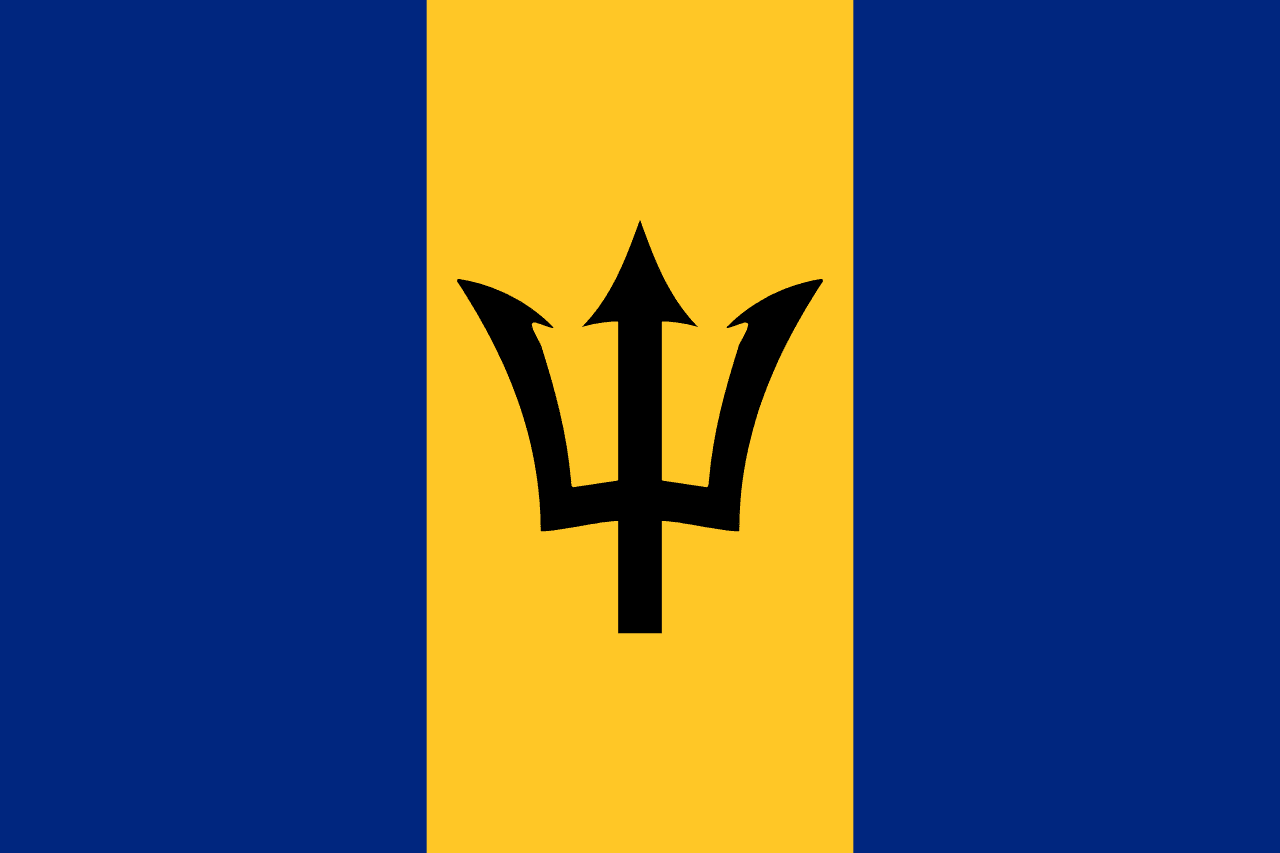
What It's Really Like to Live in Barbados
As I sit in my breezy terrace, the rustling of palm leaves accompanying the distant sound of calypso music wafting through the air, I can’t help but reflect on what everyday life is like in my beloved Barbados. After moving to this Caribbean gem, I’ve found a mix of joys, cultural surprises, and a unique way of living that feels both laid-back and vibrant. Together, let’s dive into the everyday experiences that shape life here, from food and social customs to the cost of living and local quirks.
Early mornings in Barbados often begin with the gentle melodies of nature. The sun rises early, painting the sky in hues of orange and pink. I usually wake up around 6 a.m., and as I step outside, I’m greeted by the warm breeze — a reminder that I’m in a tropical paradise. The local roosters are my alarm clock, crowing with enthusiasm, while fishermen make their way to the coast, ready to haul in the day’s catch. The sound of waves crashing against the shore fills the air, and if you live near the coast like I do, it often feels like nature’s own soundtrack.
Daily life here is a blend of routine and spontaneity. Most locals embrace a slower pace, valuing connection over the hustle and bustle that seems to dominate life in many urban areas. My mornings often include a stroll to the nearby market, where vendors greet me with warm smiles. On a recent trip, I picked up fresh produce: ripe avocados for BBD 4 each, luscious mangoes for BBD 3, and a dozen eggs for BBD 10. The market is a sensory delight, filled with the vibrant colors of tropical fruits and the enticing aroma of freshly baked coconut bread.
Living in Barbados comes with its own economic idiosyncrasies. The cost of living can be high compared to other Caribbean nations, mainly due to the reliance on imports. A typical monthly grocery bill for one person can range from BBD 600 to BBD 800, depending on dietary habits. While local fruits and vegetables are affordable, imported goods — like cheeses or specialty items — can be quite expensive. Eating out can also range widely, with local spots offering a hearty lunch for around BBD 20, while dining at a more upscale restaurant might set you back BBD 100 or more for a meal and drinks.
Food culture is, without a doubt, one of the most vibrant aspects of life here. The island’s culinary landscape is a delectable mix of flavors, influenced by African, European, and indigenous ingredients. I often find myself indulging in flying fish, the national dish, prepared with a spicy cou-cou made from cornmeal and okra. Locals often eat lunch at a ‘lunch van’ — a mobile food truck that serves affordable and delicious meals. You can find these vans parked in bustling areas, with many offering a plate of rice, peas, and a generous portion of fish or chicken for around BBD 15.
Social customs in Barbados are deeply rooted in hospitality, and it’s common to greet everyone you pass with a smile and a friendly “good morning” or “good afternoon.” The relaxed attitude extends to how time is perceived; there’s a saying here: “Bajan time,” which humorously captures the laid-back approach to punctuality. It’s not unusual for social events to start later than planned, but this gives rise to an atmosphere of camaraderie and connection.
Family life in Barbados is central to social structure. Many households consist of extended families living together or nearby, and family gatherings are frequent and joyous. On weekends, it’s common to see families on the beach, enjoying picnics and playing games. The island’s culture emphasizes togetherness, with many locals engaging in community events, charity functions, and church activities. I’ve been fortunate to attend several family barbecues, where the smell of grilled meat and the sound of laughter fill the air.
Work culture here is influenced by both British traditions and local customs. The standard workweek runs from Monday to Friday, with office hours typically from 8 a.m. to 4 p.m. or 8:30 a.m. to 4:30 p.m. Like many places, there’s a growing emphasis on work-life balance, and employees often take pride in their ability to blend professionalism with a warm demeanor. It’s common to share a joke or two with colleagues over coffee breaks. “You’re alright, man?” is a typical phrase that captures the blend of formality and friendship in the workplace.
As the weekend approaches, the island transforms into a vibrant hub of activity. Fridays often kick off the weekend with “Fish Fry” events, especially in Oistins. Locals and tourists alike flock to Oistins Bay, where they feast on grilled fish, relax to live music, and enjoy the energetic atmosphere. For BBD 30, you can enjoy a plate overflowing with fresh fish, coleslaw, and fries — a meal that’s both filling and delicious.
Saturday mornings can be spent at the local beaches, with Bathsheba Beach being a popular spot for surf enthusiasts. While I’m not much of a surfer myself, I love spending time there, people-watching and soaking in the stunning views. The beaches are often dotted with locals playing cricket or building sandcastles, creating an atmosphere that’s both relaxed and lively.
In the evening, many Barbadians head to local bars or lounges to unwind, often enjoying rum cocktails while catching up with friends. Rum is a staple here, with several local distilleries producing world-renowned varieties. A rum punch, for instance, can easily be mixed up for around BBD 10 at a bar. As the sun begins to set, the sky transforms into a canvas of colors, offering an awe-inspiring view that never gets old.
The weather in Barbados plays a pivotal role in shaping daily life. With an average temperature hovering around 30°C (86°F) throughout the year, outdoor activities abound. However, the wet season from June to November can bring unexpected rain, often in short bursts that clear up just as quickly as they arrive. It’s common to hear someone say, “Don’t worry about the rain; it makes the flowers grow!” which embodies the local attitude towards the tropical weather.
Living in Barbados isn’t without its challenges, of course. While the lifestyle is laid-back, navigating bureaucracy can be a source of frustration. Getting permits or licenses can take longer than expected, and patience is essential. Additionally, the high cost of living can be limiting, especially for those on a tight budget.
Yet, amid the challenges, the positives shine through. The sense of community, the breathtaking natural beauty, and the rich cultural tapestry make every day an adventure. Most foreigners are surprised by how welcoming the locals are; within weeks, I felt like I was part of an extended family. “Welcome home!” is a common greeting I received from locals, which fosters a sense of belonging that’s hard to replicate elsewhere.
The most surprising thing for many foreigners is the deep-rooted sense of pride Barbadians have in their culture. They take immense pride in their heritage, and you’ll often find locals eager to share stories of their ancestry, music, and, of course, the infamous Crop Over Festival that celebrates the sugar cane harvest. This annual event, complete with vibrant costumes, music, and dancing, showcases the island’s rich Afro-Caribbean culture and is a must-experience for anyone living here.
In conclusion, living in Barbados is a unique blend of relaxation, rich culture, and community spirit. It’s a life where the sun shines brightly on friendly faces, where time is measured by moments of connection rather than minutes, and where every day feels like a celebration of life. Whether you’re savouring a home-cooked meal with family, dancing at a local festival, or simply watching the sun dip into the horizon, every experience adds to the enchanting tapestry of life on this island. For those willing to embrace its quirks and rhythms, Barbados offers a warm and welcoming embrace that is impossible to forget.