Belarus: Draniki, Dense Forests and a Culture That Refuses to Disappear
🌐 Translate:
Belarus is one of Europe's least visited countries and one of its most misunderstood. Landlocked between Russia, Poland, Ukraine, Lithuania, and Latvia, it spent most of the 20th century as a Soviet republic and bears the physical marks of that era — broad boulevards, Stalinist architecture, immaculate public spaces. But underneath the Soviet surface lies a Belarusian culture with its own language, folk traditions, and identity that decades of Russification did not erase.
The Belarusian forest is one of the country's defining realities. The Białowieża Forest, which straddles the border with Poland, is the last and largest remnant of the primeval forest that once covered the European plain. European bison — hunted to extinction in the wild by 1927 — were reintroduced here and now number in the thousands. The forest is old, genuinely old, and walking through it feels like walking into a time that Europe mostly lost.
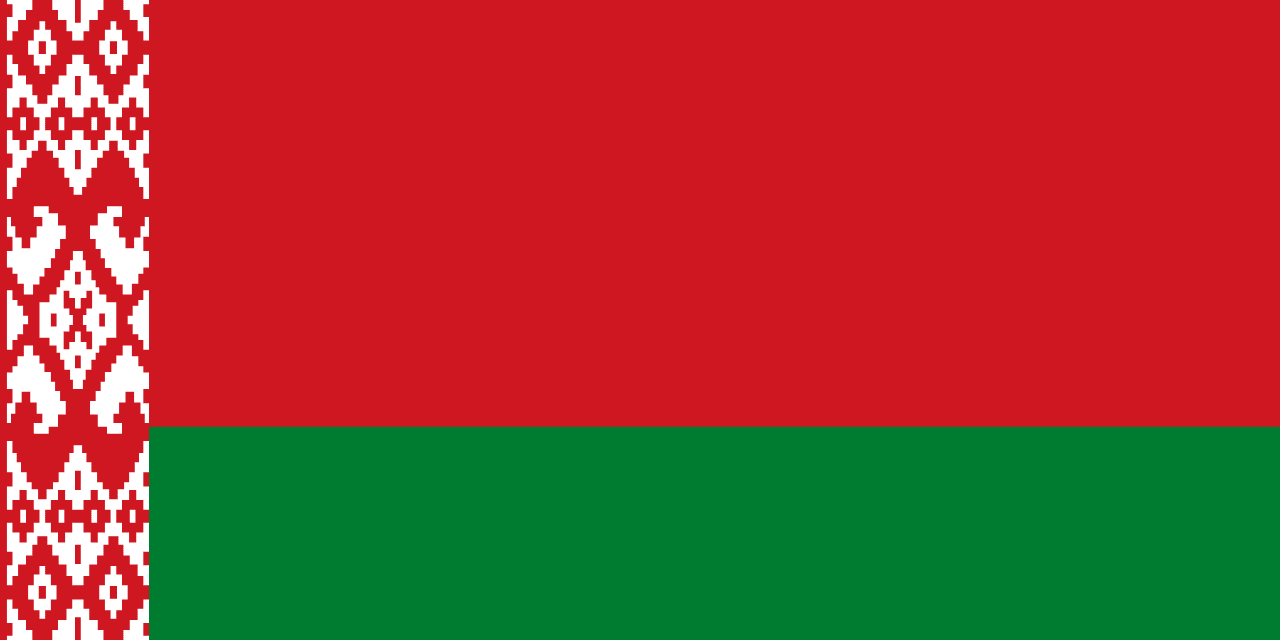
Draniki — potato pancakes fried until crisp and served with sour cream — are the national dish, a reflection of Belarus's agricultural heart. The potato arrived in the 18th century and transformed Belarusian cooking so completely that it became impossible to imagine the cuisine without it. Belarusian folk embroidery, with its distinctive red-and-white geometric patterns, adorns the national costume and has been officially listed as Intangible Cultural Heritage — a thread of identity that even the most turbulent political history could not cut.