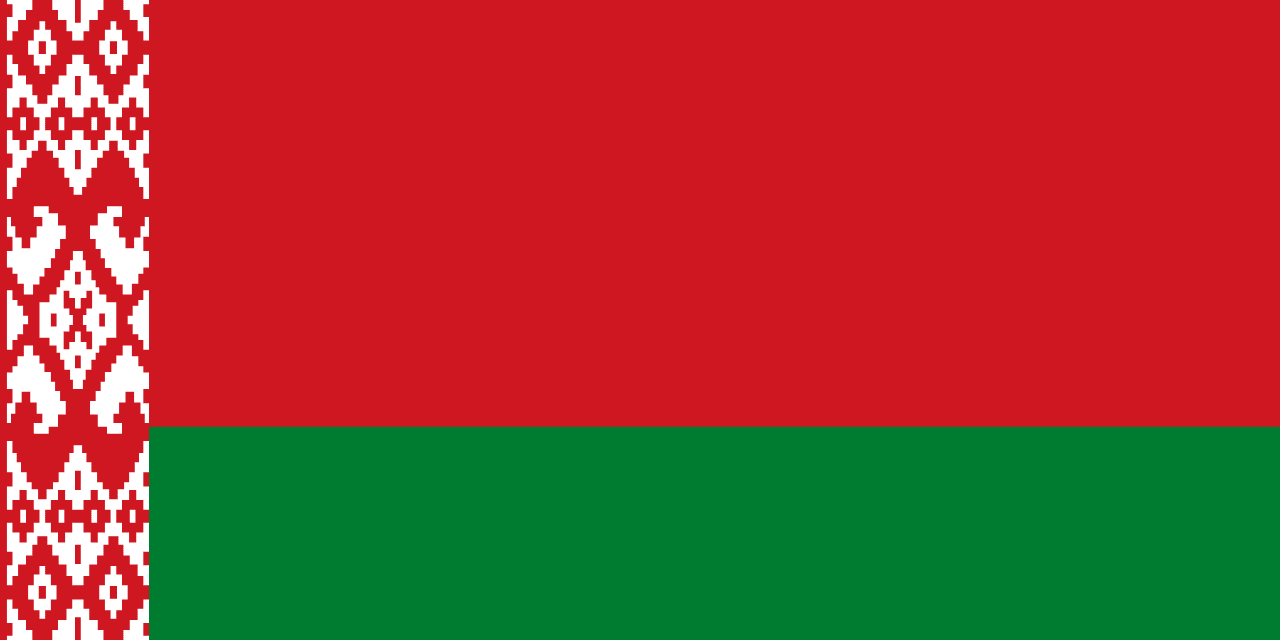
As I stepped into the vibrant heart of Belarus, the intoxicating aroma of freshly baked bread and simmering stews enveloped me like a warm embrace. Belarus, a hidden gem in Eastern Europe, boasts a culinary culture that reflects its rich history and diverse influences. From the rustic countryside to the bustling cities, food is not just sustenance here—it's an experience steeped in tradition and hospitality. As I wandered through charming villages and lively markets, I quickly learned that the flavors of Belarus are as hearty and welcoming as its people. Join me on this delicious journey as I explore ten must-try dishes that will leave you craving more.
One of the first dishes that graced my palate was draniki, or potato pancakes. These golden, crispy delights are made primarily from grated potatoes mixed with onion, eggs, and a sprinkle of salt. The first bite was a delightful crunch, revealing a tender inside that melted in my mouth. Draniki are often served with a dollop of sour cream, which adds a tangy contrast to the earthiness of the potatoes. I first encountered them in a cozy family-owned restaurant in Minsk, where the owners took pride in their recipe passed down through generations. The atmosphere was warm and inviting, and as I savored each bite, I could feel the love and care that went into this timeless dish.
Next on my culinary adventure was machanka, a rich pork stew that is often considered the national dish of Belarus. This hearty dish features tender chunks of meat simmered in a thick, flavorful gravy made from flour and sour cream. The combination of spices creates a savory explosion that warms the soul, especially on chilly days. I had the pleasure of enjoying machanka in a rustic tavern just outside of Brest, where the owner insisted that it was best paired with homemade bread. As I tore into the crusty loaf, I could hardly contain my enthusiasm for the comforting flavors dancing on my tongue. The story behind machanka is just as rich as its taste; it is traditionally served during festive occasions, making it a symbol of celebration and togetherness.
As I continued my tasting journey, I encountered kholodets, a unique dish that can be a bit of an acquired taste. This jellied meat dish is made by simmering meat (often pork or beef) with spices until it becomes tender, then chilling it in its own broth until it sets into a gelatinous form. The result is a savory, cold dish that is often served with horseradish or mustard. I remember the moment vividly—sitting at a lively family gathering, surrounded by laughter and animated conversations, as my host presented kholodets with pride. Although the texture was unexpected, the flavors were surprisingly delightful, and I found myself enjoying the communal experience of sharing a dish steeped in history and tradition.
Babka, a sweet potato dish, quickly became another favorite of mine. Not to be confused with the Eastern European sweet bread, Belarusian babka is a savory cake made from grated potatoes, eggs, and sometimes bacon or onion. Baked until golden brown, it boasts a crispy exterior that gives way to a soft, fluffy inside. The flavor is subtly sweet from the potatoes, complemented by the smoky notes of bacon. I stumbled upon a charming café in Grodno where babka was served as a side dish to a hearty meat platter. As I took my first bite, I was transported back to my grandmother’s kitchen, where comfort food reigned supreme.
No exploration of Belarusian cuisine would be complete without mentioning borscht, a beetroot soup that has earned its place as a beloved staple across Eastern Europe. The Belarusian version is usually lighter and less sour than its Ukrainian counterpart; it features beets, cabbage, carrots, and sometimes meat, all simmered together to create a vibrant, ruby-red dish. Served hot with a generous dollop of sour cream, the first spoonful was a symphony of flavors—earthy, sweet, and savory all at once. I savored borscht in a quaint restaurant in Minsk, where the ambiance was adorned with traditional Belarusian decor, and the locals happily shared stories about their love for this comforting soup, particularly during the cold winter months.
Then there’s the delightful kolduny, which are Belarusian dumplings that can be filled with a variety of ingredients, though the classic version includes minced meat. The dough is soft and pliable, and each dumpling is a little pocket of flavor. I had the pleasure of enjoying kolduny at a bustling street food stall in the heart of Vitebsk. Watching the vendor skillfully craft each dumpling was a show in itself, and when I took my first bite—steaming hot and bursting with flavor—I could see why these dumplings have a special place in the hearts of Belarusians. Each koldun tells a story of family gatherings, shared meals, and the warmth of home.
A dish that truly showcases the agricultural roots of Belarus is zeppelins, or cepelinai, large potato dumplings typically stuffed with minced meat. Shaped like zeppelins (hence the name), these dumplings are often served with a generous topping of sour cream and crispy fried onions. On a chilly day in Polotsk, I was lucky enough to stumble upon a local eatery that specializes in traditional Belarusian dishes. The first bite was a revelation: the dumpling was soft, almost pillowy, and the meat filling was savory, creating a delightful contrast with the tangy sour cream on top. Eating zeppelins felt like a rite of passage, an experience that connected me to the heart and soul of Belarusian cuisine.
The next dish I encountered was a delightful dessert: syrniki, or cottage cheese pancakes. These fluffy pancakes are made from fresh curds mixed with flour and eggs, then pan-fried until golden brown. The texture is light and slightly tangy, making them perfect for breakfast or dessert. I found myself at a quaint café in Brest, where syrniki were served warm, drizzled with honey and a side of fresh berries. Taking my first bite was like discovering a slice of heaven; they were sweet yet subtly savory, and I could hardly resist gobbling up the entire plate while chatting with fellow travelers about our favorite Belarusian treats.
Another must-try is the traditional Belarusian rye bread, or khleb. Made from whole-grain rye flour, this bread is dense, hearty, and packed with flavor. The process of making khleb is an art form in itself, often involving a long fermentation process that gives it a distinct sour flavor. I enjoyed this bread at a local market, where vendors sliced it fresh for eager customers. The first bite was a revelation; it had a robust taste that paired perfectly with cheese, meats, or simply enjoyed on its own. The cultural significance of khleb is profound, often symbolizing life and sustenance in Belarusian society. Breaking bread together is a cherished tradition, and I felt honored to partake in it.
Finally, I must mention kvass, a traditional fermented beverage made from rye bread. This slightly fizzy drink has a mildly sweet, tangy flavor and is often enjoyed as a refreshing thirst quencher, especially on hot summer days. I discovered kvass at a lively outdoor festival in Minsk, where colorful stalls showcased a variety of local foods and drinks. Sipping on this fermented delight, I could taste the essence of Belarusian culture—a beverage that has been enjoyed for centuries, bringing people together in celebration and camaraderie.
As I reflect on my culinary journey through Belarus, I can’t help but marvel at the depth and diversity of its cuisine. Each dish tells a story, often rooted in tradition and shared experiences, connecting generations of Belarusians to their past. If you ever find yourself in this enchanting country, I highly recommend seeking out these dishes and immersing yourself in the warmth of Belarusian hospitality.
For the best food experiences, be sure to explore local markets, street stalls, and family-run restaurants. The vibrant atmosphere of the markets will envelop you as you sample fresh produce, homemade cheeses, and artisanal breads. Street stalls offer generous portions of hearty dishes, while cozy restaurants invite you to sit down and enjoy a meal that feels like a warm hug. Embrace the flavors of Belarus, and you’ll leave with a full belly and a heart warmed by the culinary magic that this country has to offer.