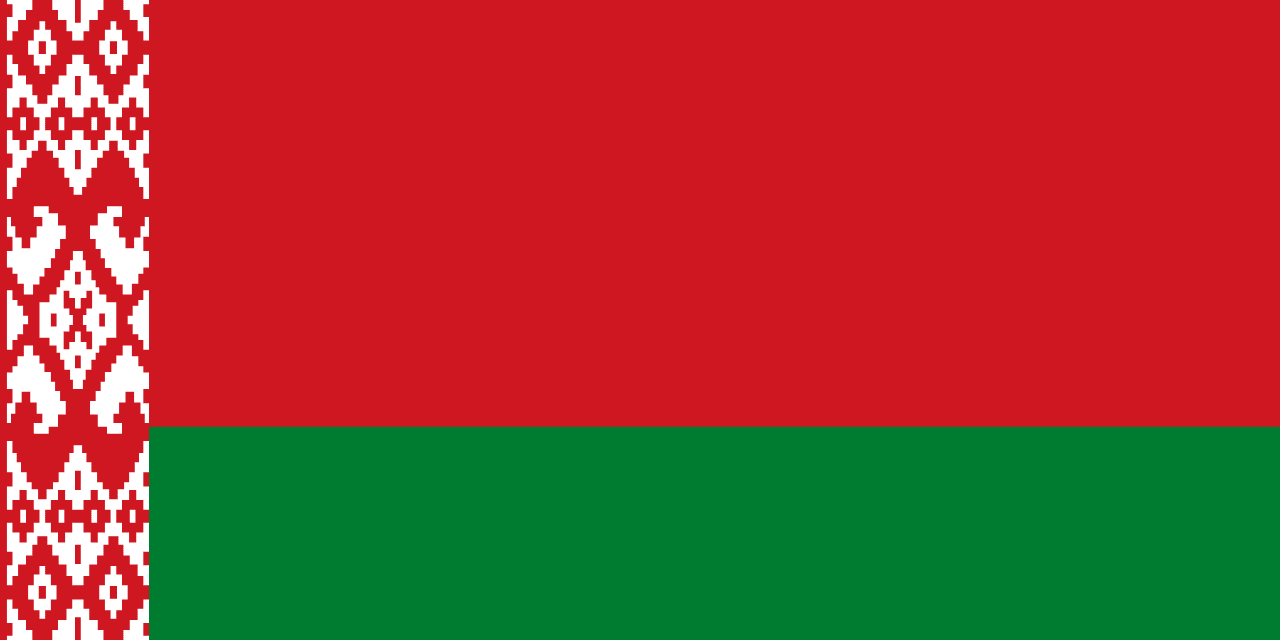
The History of Belarus: From Ancient Times to Today
🌐 Translate:
# The History of Belarus: From Ancient Times to Today
Belarus, a landlocked country in Eastern Europe, boasts a rich and intricate history that stretches from ancient tribes to modern statehood. Nestled between Russia to the east, Poland to the west, and Lithuania to the north, this nation has been a crossroads of cultures, peoples, and empires, making its history as vibrant as its lush landscapes. To truly appreciate Belarus, we must embark on a journey through time, exploring its ancient roots, the rise and fall of kingdoms, the trials of colonization, the struggle for independence, and the complexities of contemporary governance.
## Ancient and Indigenous History
Long before the name "Belarus" came into existence, the region was inhabited by various tribes. The earliest known peoples in this area were the Balts and the Slavs, who settled around the 6th century AD. The territory of modern-day Belarus was characterized by dense forests and abundant rivers, making it an ideal habitat for these early communities. The Dnieper and Western Dvina rivers were vital lifelines, facilitating trade and communication between tribes and with external cultures.
As the centuries passed, the Slavic tribes began to unite, and by the 9th century, the area became part of the expansive Kievan Rus’, a federation of Slavic tribes that reached its zenith under the reign of Prince Vladimir the Great. This period witnessed the Christianization of the region, a significant turning point that not only introduced new religious beliefs but also paved the way for the rise of written language and literature. The influence of Kievan Rus’ laid the foundation for Belarusian cultural identity, intertwining language, religion, and traditions.
## The Grand Duchy of Lithuania
The decline of Kievan Rus’ in the 13th century due to Mongol invasions marked a pivotal moment in Belarusian history. The region gradually fell under the influence of neighboring powers, notably the Grand Duchy of Lithuania, which emerged as a significant political entity in the 13th century. This duchy was characterized by its remarkable diversity, incorporating various ethnic groups, including Lithuanians, Poles, and Ruthenians, all living under a shared governance.
During the 15th and 16th centuries, the Grand Duchy of Lithuania reached its height, becoming one of the largest countries in Europe. The Lithuanian Statutes, a series of laws codified in the 16th century, represented a significant legal advancement and embodied the region's commitment to maintaining its autonomy. Notably, the Union of Krewo in 1385, which united Poland and Lithuania under a single crown, marked a remarkable shift in political dynamics, further entwining Belarus with its western neighbors.
This era also saw the flourishing of Belarusian culture, with the emergence of notable figures like Francysk Skaryna, who became one of the first to print in the Belarusian language. Skaryna's publishing endeavors in the early 16th century heralded the beginning of a literary tradition that would continue to evolve.
## The Polish-Lithuanian Commonwealth
In the late 16th century, the Grand Duchy of Lithuania and the Kingdom of Poland formally united to form the Polish-Lithuanian Commonwealth. This political alliance had profound implications for Belarus, which became a battleground for various political and military conflicts. The Commonwealth was marked by a flourishing of the arts and sciences, but it also brought challenges, particularly as it struggled with internal conflicts and external threats.
During this period, Belarus experienced significant cultural exchanges and artistic developments. The Renaissance and Baroque influences permeated the region, seen in the architecture of churches and the grand manors of the nobility. However, the Commonwealth's dominance also meant the imposition of Polish culture and language, leading to tensions among the Belarusian populace, who sought to preserve their own identity and traditions.
The 17th century, however, was not kind to the Commonwealth. The catastrophic wars with Sweden and Russia, alongside internal strife, weakened its grip on Belarus. The Cossack uprisings and the subsequent Treaty of Pereyaslav in 1654 marked another critical juncture, as Belarus became increasingly entangled in the conflicts between Russia and Poland.
## The Russian Empire and the 19th Century
The late 18th century ushered in a dark chapter for Belarus as the Polish-Lithuanian Commonwealth disintegrated, leading to the partitions of Poland. By the late 1700s, much of Belarus had fallen under Russian control, marking the beginning of a long period of Russian domination. The imposition of Russian language and culture, coupled with the suppression of local customs, triggered a struggle for national identity.
The 19th century was a time of awakening for Belarusian nationalism, as intellectuals and writers began to advocate for the recognition of Belarusian culture and language. The November Uprising of 1830-31 and the January Uprising of 1863 against Russian rule saw many Belarusians participating in the fight for freedom. Although these uprisings failed, they ignited a sense of national consciousness that would simmer beneath the surface for decades.
Notably, figures like Uladzimir Karatkevich emerged during this period, whose literary contributions would shape the modern Belarusian identity. He and others laid the groundwork for a cultural renaissance that sought to reclaim Belarus's historical narrative and assert its unique identity against the backdrop of imperial forces.
## The 20th Century: Wars and Independence
The tumultuous events of the early 20th century would forever alter Belarus’s trajectory. The First World War brought devastation to the region, with battles fought on Belarusian soil and widespread suffering among civilians. The chaos of war also paved the way for revolutionary ideas to take root, leading to the establishment of the Belarusian People's Republic in 1918, a brief attempt at independence that was short-lived due to the ensuing Polish-Soviet War.
By the 1920s, Belarus was consolidated into the Soviet Union, officially becoming the Byelorussian Soviet Socialist Republic. Under Soviet rule, the nation suffered through immense hardship, particularly during the Great Purge of the late 1930s and World War II. Belarus was one of the frontline territories in the Nazi invasion beginning in 1941. The war brought unimaginable suffering; cities were razed, and a significant portion of the population was lost.
Following the war, Belarus was rebuilt, but the scars of conflict shaped its future. The Soviet regime imposed collectivization and industrialization, which transformed the economy but also led to widespread dislocation and suffering. Despite the hardships, Belarusian culture and identity persisted, with the arts, literature, and education playing crucial roles in this preservation.
## The Struggle for Sovereignty
In the late 20th century, the winds of change swept across Eastern Europe. The fall of the Soviet Union in 1991 provided an unprecedented opportunity for Belarus to assert its independence. On August 25, 1991, the country declared its sovereignty, and a new era began. However, the transition from Soviet rule to independence was fraught with challenges, as Belarus struggled to establish a stable government and economy.
Alexander Lukashenko emerged as a prominent political figure, winning the presidency in 1994. Initially, many viewed him as a stabilizing force, but over the years, his authoritarian tendencies became increasingly apparent. The government cracked down on dissent, restricted freedom of the press, and curbed opposition movements. This led to a complex and often fraught relationship with both Russia and the West, as Belarus navigated its post-Soviet identity.
## Belarus Today: A Complex Tapestry
Today, Belarus stands at a crossroads, grappling with its past and contemplating its future. The country is marked by a unique blend of Eastern and Western influences, reflected in its architecture, language, and customs. While the nation has made strides in education and healthcare, the political landscape remains contentious, with widespread protests erupting following contested elections in 2020.
The protests were met with a harsh crackdown by the government, leading to international condemnation and renewed discussions about human rights and democracy. Yet, the resilience of the Belarusian people remains palpable, as they continue to advocate for their rights and seek a voice in their governance.
Despite the challenges, Belarus's rich cultural heritage thrives. Festivals celebrating folk traditions, music, and art showcase the country's vibrant identity. The Belarusian language, once suppressed, is experiencing a revival, and a new generation of artists and activists is emerging to shape the nation's narrative.
In conclusion, the history of Belarus is a testament to the resilience of its people and their enduring quest for identity and autonomy. From ancient tribes to modern struggles for democracy, Belarus embodies a complex tapestry of cultures, languages, and histories. As the country faces the future, it does so with the knowledge of its rich past, a past that continues to inform its journey toward self-determination and prosperity. The story of Belarus is far from over, and it is one that deserves to be told and remembered.