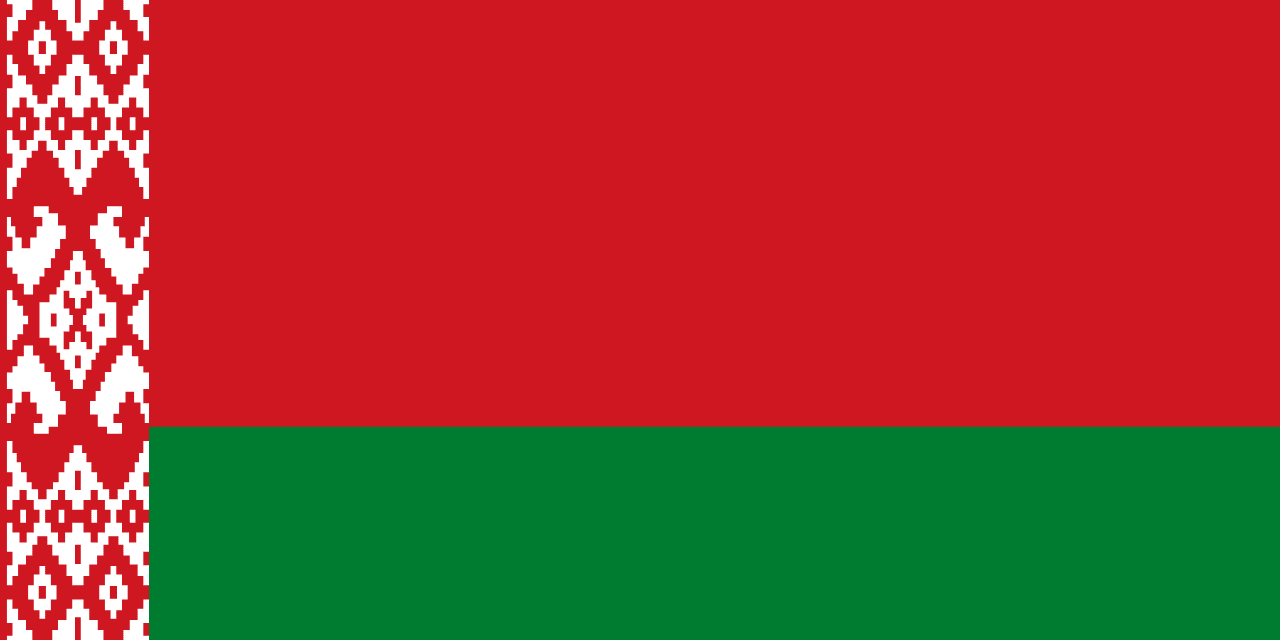
What It's Really Like to Live in Belarus
As someone who has spent several years living in Belarus, I can succinctly say that the experience is as layered and complex as the country itself. Often overshadowed by its neighbors in Europe, Belarus possesses a unique charm and a rich tapestry of history, culture, and daily life that is both fascinating and enlightening. Here, I will share what everyday life is like in this Eastern European nation, encompassing daily routines, the cost of living, food culture, social customs, family life, work culture, how locals spend weekends, the weather's influence, and the surprises that often greet newcomers.
To understand Belarusian life, one must start with the rhythm of daily life. Mornings in Minsk, the capital, are surprisingly vibrant. The sound of bus engines and chatter in the streets fills the air as people pour out of their apartments, heading to work or school. Public transport is efficient and affordable; I often took the metro, where a single ride costs around 0.65 Belarusian rubles (roughly $0.25). The public transport system is extensive, and if you find yourself lost, a friendly local is never hesitant to help, often accompanied by a smile and the phrase “Не бойся, я помогу!” (Don’t be afraid, I’ll help you!).
In Belarus, the cost of living is remarkably low compared to many Western countries. A decent meal in a mid-range restaurant can set you back about 15 rubles ($6), while a hearty home-cooked meal is an everyday occurrence for many families. Grocery shopping at local markets is a favorite pastime; prices for fresh produce are surprisingly low. A kilogram of potatoes may cost around 1 ruble, while seasonal fruits like apples or berries can be found for about 2 to 3 rubles per kilo. This affordability allows locals to enjoy a variety of foods without breaking the bank.
Speaking of food, the Belarusian food culture is hearty and comfort-driven. Traditional dishes often center around potatoes, meat, and dairy. One can’t live in Belarus without trying draniki (potato pancakes), which are often served with sour cream and can be found in nearly every family kitchen. Another staple is borscht, a beetroot soup that warms the soul, especially during the cold winters. When dining out, you may encounter café menus laden with choices ranging from hearty stews to sweet desserts like syrniki, which are cottage cheese pancakes that melt in your mouth.
Social customs in Belarus are steeped in nostalgia and tradition. Family is at the heart of social life, and gatherings are often centered around food. It’s common for families to host Sunday dinners where everyone brings a dish to share. When invited to someone’s home, it’s customary to bring a small gift, such as flowers or sweets, to express gratitude. Punctuality is valued, but don’t be alarmed if dinner starts a little later than planned; it’s all part of the warmth of Belarusian hospitality.
Work culture in Belarus can be described as both diligent and reserved. The typical workweek is Monday to Friday, with many offices maintaining a more formal atmosphere compared to Western standards. People dress smartly and approach their jobs with a sense of duty. A standard workday usually starts around 9 AM, with lunch breaks stretching to one hour. However, you’ll find a growing trend of people embracing a more laid-back approach, especially among the younger generation, who often work in tech and creative fields, leading to a more relaxed and innovative work environment.
Weekends in Belarus are a time for family and leisure. Many locals venture out to parks, especially during the warmer months. Victory Park in Minsk is a popular gathering spot where families can picnic and children can play. The summer offers many outdoor festivals, showcasing Belarusian music, art, and crafts. In winter, the city transforms into a snowy wonderland, with locals flocking to ice skating rinks and Christmas markets. It’s during these weekends that you’ll also see a surge in small exhibitions and performances, reflecting the rich cultural life Belarus has to offer.
The weather in Belarus is a defining element of daily life. Winters can be harsh, with temperatures plummeting to -20 degrees Celsius (-4 degrees Fahrenheit) or lower. However, despite the cold, the beauty of a snow-covered landscape is undeniable, and Belarusians embrace winter sports like skiing and snowboarding. During summer, the temperature can soar to 30 degrees Celsius (86 degrees Fahrenheit), and the air fills with the sounds of laughter and chatter in parks and open-air events. The changing seasons encourage a unique rhythm to life: cozy evenings filled with tea during the cold months and vibrant outdoor activities as the flowers bloom.
While living in Belarus comes with its challenges, it also has its positives. One challenge many expatriates face is the language barrier. While Russian is the predominant language, Belarusian is also an official language and is spoken more frequently in rural areas. Learning basic phrases, such as “Дзякуй” (thank you) and “Добры дзень” (good day), can go a long way in fostering connections with locals. English is not widely spoken outside of major cities, which can lead to moments of frustration but also opportunities for deep cultural exchanges.
Despite these hurdles, life in Belarus has so many positives. The sense of community is palpable; neighbors often know each other and come together for local events. The healthcare system is another significant advantage, as it offers affordable services and, in many cases, quality care. Public amenities, such as parks and libraries, are well-maintained and accessible, allowing people of all ages to enjoy communal spaces.
One of the most surprising aspects for foreigners is how modernity coexists with tradition. Minsk, for example, boasts impressive Soviet-era architecture alongside contemporary buildings and a burgeoning nightlife scene. Coffee shops with hipster vibes and co-working spaces are popping up, attracting young professionals and creative minds. The juxtaposition of old and new is both striking and refreshing, giving the capital a unique character.
Another surprise often lies in the resilience and optimism of the people. Despite historical challenges, Belarusians are known for their resourcefulness and ability to find joy in everyday life. This mindset is often embodied in the phrase “Жыць трэба з усмешкай” (One must live with a smile). It’s a reminder that, no matter the circumstances, maintaining a positive outlook is essential.
In conclusion, living in Belarus is an enriching experience that offers a glimpse into a culture that values tradition while embracing change. From daily routines filled with hearty meals and familial bonds to the resilience of its people, Belarus is a land that has much to offer. While challenges exist, the warmth of its community, the beauty of its landscapes, and the depth of its history shine through every day. For anyone considering a visit or a longer stay, Belarus promises a journey filled with discovery, connection, and, above all, a sense of belonging.