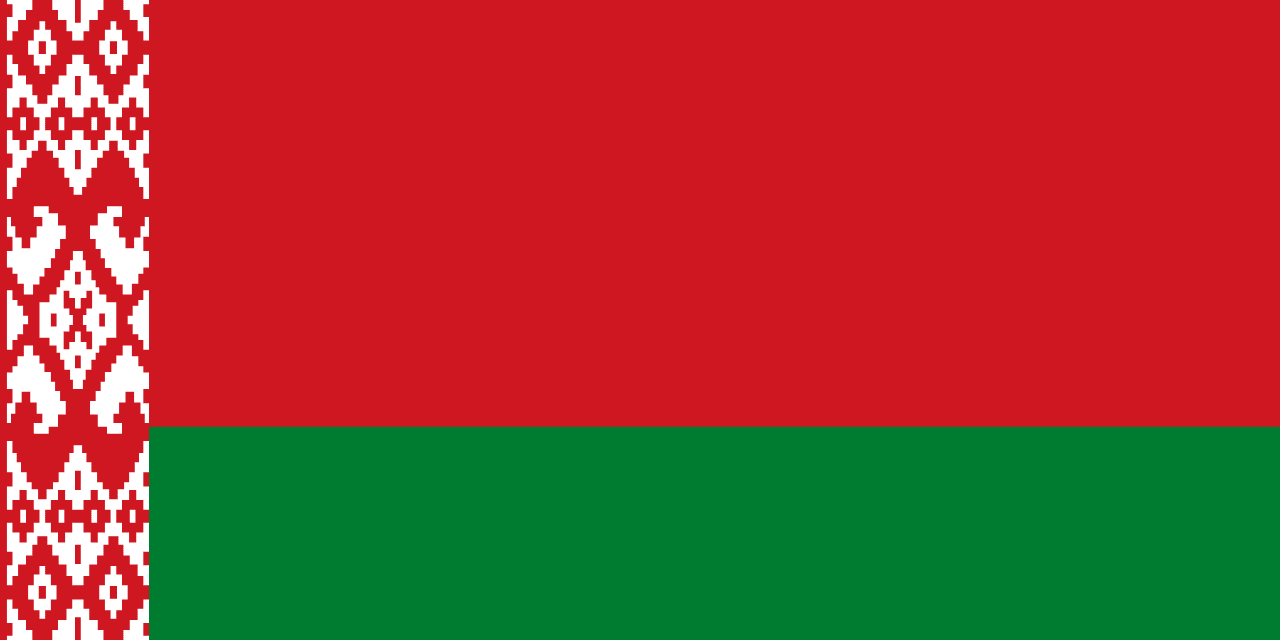
Belarus is a landlocked nation at the geographical heart of Europe — a country of deep forests, slow rivers, and a complex twentieth-century history that has left it largely off the tourist trail even as its neighbours Poland and Lithuania attract growing numbers of visitors. Bordered by Russia to the north and east, Ukraine to the south, Poland to the west, and Lithuania and Latvia to the northwest, Belarus occupies the flat, heavily wooded plain of the Eastern European lowlands.
The country's most extraordinary natural asset is the Belovezhskaya Pushcha National Park, one of the last and largest fragments of the primeval forest that once stretched across the entire European plain. Shared with Poland as a UNESCO World Heritage Site, it is home to the European bison — the heaviest land animal on the continent, driven to extinction in the wild and re-introduced from captivity in the 1950s. Walking through this ancient forest, where oaks stand a thousand years old and dawn mist sits in the clearings, is an experience of rare ecological significance.
Minsk, the capital, is an unusual city — almost entirely rebuilt after its near-total destruction in the Second World War, its wide Stalinist boulevards, monumental architecture, and green parks have an austere grandeur that gives it a character quite unlike any other European capital. Victory Square, Oktyabrskaya Square, and the Avenue of Independence are showpieces of Soviet urban planning that have found new appreciation among visitors interested in mid-twentieth-century architecture. Beneath the austere surface, the city has a lively café, arts, and music scene.
The historic cities of Grodno and Mir reward those who venture beyond the capital. Grodno, near the Polish border, preserves a genuinely old European townscape with baroque churches, a sixteenth-century castle, and centuries of Polish-Jewish-Belarusian coexistence written into its streets. Mir Castle Complex, a UNESCO World Heritage Site, is a magnificent sixteenth-century Gothic-Renaissance fortress reflected in a lake, surrounded by the pastoral Belarusian countryside.
Belarusian cuisine is rooted in the potato — draniki (potato pancakes served with sour cream), kalduny (potato dumplings stuffed with meat), and machanka (thick pork gravy served with pancakes) are beloved staples. Rye bread, sour cream, pickled vegetables, and bison grass vodka complete the table.
May through September offers the most comfortable weather for exploring. Belarus is a country whose quiet authenticity and natural richness reveal themselves slowly to those who seek them out.