The History of Belize: From Ancient Times to Today
🌐 Translate:
# The History of Belize: From Ancient Times to Today
Nestled on the eastern coast of Central America, Belize is a gem of rich biodiversity, ancient ruins, and vibrant culture. The story of this small nation is woven from the threads of ancient civilizations, colonial endeavors, and a quest for independence that has shaped its identity over centuries. To truly appreciate Belize's allure today, we must journey back in time, exploring its past from ancient indigenous settlements to its modern-day status as a sovereign nation.
## Ancient Times: The Land of the Maya
Long before the arrival of Europeans, the land that is now Belize was home to the ancient Maya civilization. Starting around 1500 BC, the Maya began their ascent as one of the most sophisticated cultures in the Americas. They thrived in the region, constructing magnificent cities, developing intricate trade networks, and creating a complex social and political hierarchy.
One of the most significant Maya sites in Belize is Caracol, which flourished between AD 250 and 900. It was a sprawling metropolis, boasting impressive structures such as the Caana, or "Sky Palace," which still stands as a towering reminder of the Maya’s architectural prowess. The site was not just a center for governance but also a hub for trade and agriculture. The Maya, skilled in cultivating maize, beans, and squash, utilized advanced techniques such as terracing and irrigation, demonstrating their deep understanding of the land.
Another remarkable site is Xunantunich, which translates to "Stone Woman." This ceremonial center reached its peak between AD 600 and 900. The iconic El Castillo pyramid dominates the landscape, revealing the Maya’s astrological knowledge through its alignment with celestial events. These cities, now enveloped by the lush jungles of Belize, whisper tales of the past through their crumbling ruins, inviting modern explorers to uncover the secrets of a civilization that once thrived.
However, the decline of the Maya civilization began around the 10th century. Factors contributing to this decline included environmental changes, warfare, and resource depletion. Yet, small groups of Maya persisted, maintaining their cultural practices, languages, and traditions, which continue to influence Belizean identity today.
## The Arrival of the Europeans
The timeline of Belize’s history took a dramatic turn in the early 16th century when European explorers began to arrive in Central America. The Spanish were among the first, driven by their desire for wealth and land. In 1506, Christopher Columbus made his way to the northern coast of Central America, landing in Honduras but leaving a lasting impact on the entire region. However, the Spanish did not establish a stronghold in Belize initially, as they focused their efforts on the more lucrative areas of Mexico and Peru.
It wasn’t until the late 17th century that the British began to take an interest in the region. The British sought to exploit the abundant resources of the area, particularly its mahogany, which was highly valued in Europe. Pirates and loggers from Britain started to settle in Belize, establishing what became known as British Honduras. This period marked a significant transition, as the indigenous peoples were largely marginalized, and the European settlers began to claim the land.
By the 18th century, the British presence in Belize had solidified, leading to a series of conflicts with the Spanish, who sought to reclaim their lost territories. The most notable was the Battle of St. George’s Caye in 1798, where a diverse fleet of British settlers, enslaved Africans, and indigenous peoples successfully defended their territory against Spanish forces. This battle is celebrated each year on September 10th, a national holiday commemorating Belize’s resilience and the birth of a new identity.
## The Colonial Era: Struggles and Development
As the 19th century dawned, British Honduras continued to develop under colonial rule. Logwood and mahogany became the mainstays of the economy, leading to an influx of labor, including enslaved Africans. The abolition of slavery in 1838 prompted significant social changes, as former slaves were integrated into the society as free men and women. However, many continued to work in the logging industry, facing difficult conditions and limited rights.
The British colonial administration began to introduce governance structures, leading to the establishment of the Legislative Council in 1884. This marked the beginning of a political awakening, as local leaders began to voice concerns over their rights and representation. Figures like George Price, who would later become a key figure in Belizean independence, emerged during this time, advocating for greater autonomy and democratic representation.
The early 20th century saw Belize grappling with the effects of global events such as World War I and the Great Depression. Economic hardships intensified, leading to widespread discontent. The labor movement gained momentum, with workers demanding better wages and conditions. In 1949, the first general strike in Belize’s history took place, leading to considerable social and political changes. The voice of the people began to echo louder, and the call for independence grew stronger.
## Towards Independence: A New Dawn
The post-World War II period served as a catalyst for decolonization across the globe, and Belize was no exception. In 1950, the People’s United Party (PUP), led by George Price, emerged as a significant political force, advocating for self-governance. The PUP’s platform resonated with the people, emphasizing national pride and the need for change.
In 1964, British Honduras was granted self-government, which allowed Belizeans to elect their own representatives for the Legislative Assembly. This was a crucial turning point, as it marked the beginning of a new era in Belizean politics. Over the next decade, fervent discussions about independence ensued, with various factions playing a role in the negotiation process.
The question of territorial integrity also loomed large during this period. Guatemala, a neighboring country, laid claim to Belizean territory, complicating the country’s path to independence. However, Belizeans remained resolute, and the international community, including the United Nations, began to support their right to self-determination.
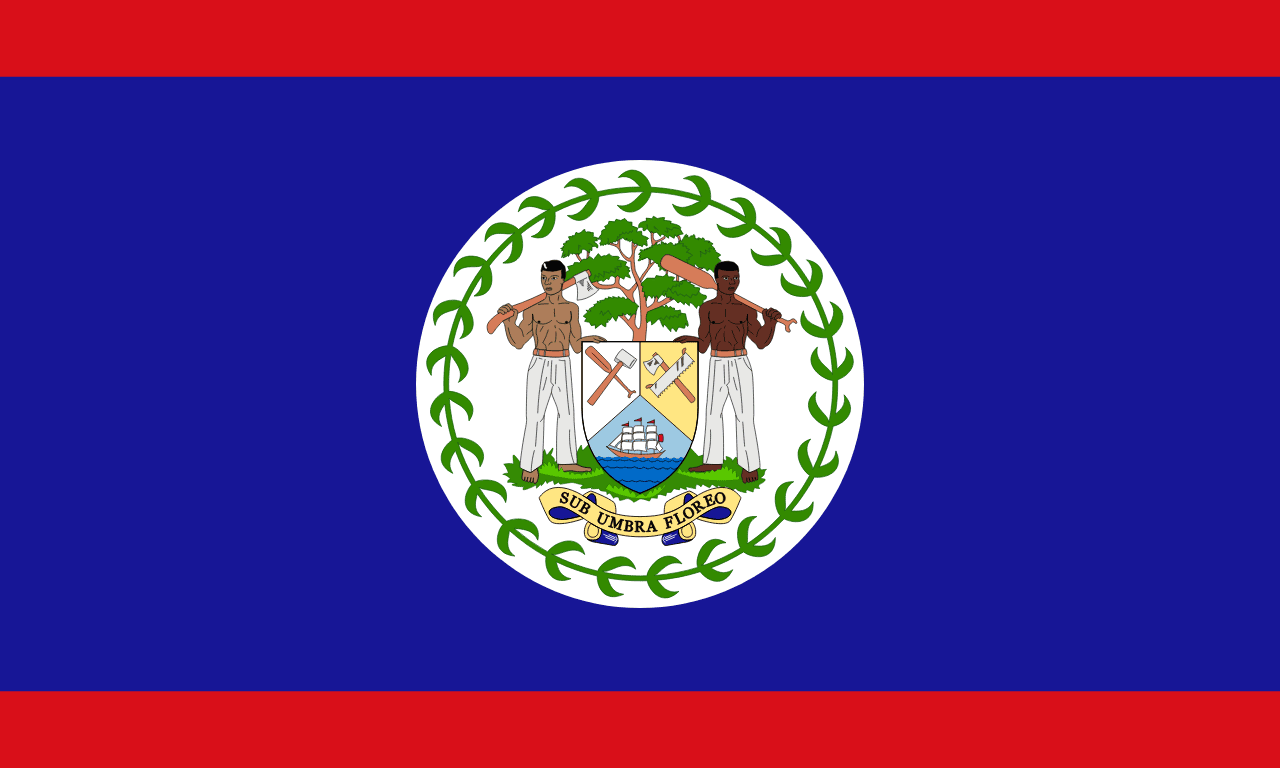
On September 21, 1981, Belize finally attained independence from British rule. The moment was marked by joy and celebration, as the Belizean flag was raised, symbolizing newfound freedom. George Price, the Father of the Nation, became the first Prime Minister, ushering in a new era of governance and national identity.
## Belize Today: A Fusion of Cultures
Present-day Belize is a vibrant tapestry woven from its rich history, diverse cultures, and stunning landscapes. The country’s population is a mix of Mestizo, Creole, Garifuna, and Maya peoples, among others. This cultural diversity is reflected in Belize's music, dance, and culinary traditions, creating a unique identity that draws visitors from around the globe.
Belize is renowned for its breathtaking natural landscapes, including the Belize Barrier Reef, a UNESCO World Heritage Site, which is the second-largest barrier reef in the world. The country also boasts lush jungles, ancient ruins, and picturesque beaches, making it a haven for eco-tourism and adventure seekers.
Despite its beauty and cultural richness, Belize faces challenges such as economic inequality, environmental degradation, and the impact of climate change. The government and NGOs are working towards sustainable development while preserving the country’s natural and cultural heritage.
As Belize continues to navigate the complexities of the modern world, its historical journey serves as a testament to the resilience of its people. From the ancient Maya who once ruled the land to the modern Belizeans who cherish their identity, the story of Belize is one of survival, adaptation, and hope.
## Conclusion
The history of Belize is a captivating tale of ancient civilizations, colonial struggles, and the quest for identity. As we reflect on this journey, it becomes clear that the spirit of the Belizean people is deeply rooted in their rich heritage. From the majestic ruins of the Maya to the vibrant streets of Belize City, the echoes of the past resonate through the lives of those who call this beautiful country home. Today, Belize stands not just as a destination, but as a living history that continues to evolve, inviting us all to explore its depths and embrace its future.