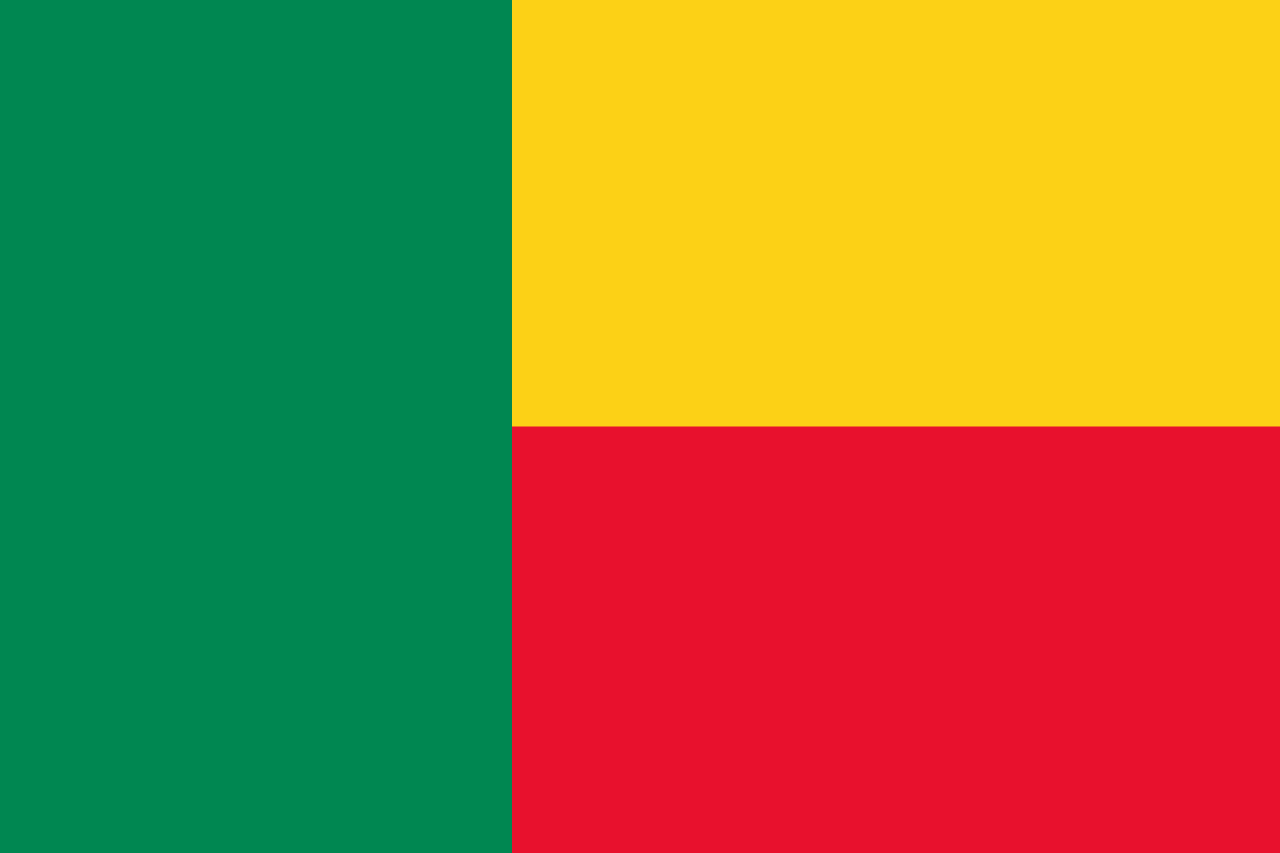
When it comes to traveling in West Africa, Benin often finds itself overshadowed by its more famous neighbors like Ghana and Nigeria. While many tourists flock to the vibrant markets of Cotonou or the historic sites of Ouidah, the true essence of this enchanting country lies beyond the well-trodden tourist paths. Benin is a treasure trove of hidden gems, rich in culture, history, and natural beauty, waiting to be explored by those adventurous enough to seek them out. In this post, we will delve into the lesser-known places, regions, and experiences that reveal the authentic spirit of Benin, taking you on a journey through its captivating landscapes and vibrant communities.
Let’s begin our exploration in the quaint village of Ganvié, often dubbed the “Venice of Africa.” Located on the shores of Lake Nokoué, this unique stilt village is an impressive example of how humans can adapt to their environment. The Tofinu people built Ganvié in the 17th century to escape slave traders, and today, this floating community is a stunning sight, with houses perched on stilts above the shimmering waters. You can take a boat ride through the village, exploring its canals and observing the locals go about their daily lives—fishing, washing clothes, and selling produce. To reach Ganvié, hire a boat from the city of Cotonou, and prepare to be enchanted by the serene beauty and cultural richness of this remarkable village.
Next, we venture to the unassuming town of Abomey, which holds a wealth of history beneath its surface. While many visitors are drawn to the Royal Palaces of Abomey, few take the time to wander through the lesser-known neighborhoods where the local culture thrives. Colorful murals, traditional music, and vibrant textiles fill the streets, creating a lively atmosphere that radiates authenticity. Don’t miss the chance to visit the local market, where you can sample delicious street food and pick up handcrafted souvenirs. To get to Abomey, hop on a taxi-brousse from Cotonou, which offers a scenic route through the countryside. Engage with the locals, and you’ll uncover stories of the Dahomey Kingdom that are rarely shared in guidebooks.
A short drive from Abomey lies the enchanting village of Savalou, known for its stunning landscapes and rich agricultural heritage. This region is often overlooked by tourists, but it’s home to the beautiful and sacred Toviklin Falls, a serene spot for swimming and picnicking amidst nature. The village is also famous for its traditional pottery, and you can observe local artisans at work, shaping clay into intricate designs. To reach Savalou, take a taxi-brousse from Abomey, and be sure to ask the driver to drop you off at the village entrance. Immerse yourself in the local customs, and you might even find yourself invited to a traditional feast.
If you’re a nature enthusiast, don’t miss the chance to explore the stunning landscapes of Pendjari National Park, located in the north of Benin. Although it’s gaining popularity among adventurous travelers, it still remains a lesser-known destination compared to other national parks in Africa. Home to diverse wildlife including elephants, lions, and various bird species, Pendjari offers breathtaking vistas of savannahs, mountains, and rivers. You can embark on guided safari tours that allow you to explore its rugged terrain and experience the thrill of spotting wild animals in their natural habitat. To access Pendjari, fly into the nearby city of Natitingou and hire a guide who can lead you through this remarkable park.
For those intrigued by local traditions, a visit to the village of Ouida during the Vodoun Festival is an unforgettable experience. Held each January, this vibrant celebration showcases the rich spiritual heritage of the Fon people through music, dance, and rituals honoring the Vodoun deities. Visitors are welcome to join in the festivities, witnessing traditional ceremonies and enjoying the lively atmosphere filled with colorful costumes and rhythmic drumming. To reach Ouida, you can take a quick taxi-brousse ride from Cotonou, but be sure to plan your trip around the festival dates to fully immerse yourself in this culturally enriching experience.
Continuing our journey, we arrive at the serene landscapes of Lake Aheme. Nestled in the Mono Region, this picturesque lake is a peaceful haven for those seeking tranquility away from the hustle and bustle of urban life. The surrounding villages are known for fishing and agriculture, providing visitors with an authentic glimpse into rural Beninese life. You can take a boat tour to explore the lake’s hidden coves, where you might stumble upon local fishermen casting their nets. To get to Lake Aheme, you can take a taxi-brousse from Cotonou or Ouidah, and once there, consider renting a bicycle to explore the charming villages nearby at your own pace.
Another hidden gem lies in the small coastal village of Grand Popo, where sandy beaches meet rich cultural practices. While this destination is known for its beautiful coastline, few venture beyond the beach to discover the local fishing communities and traditional potters. Engage with local artisans who create stunning pottery, and be sure to visit the nearby wildlife reserve, where you can spot a variety of bird species. To reach Grand Popo, a taxi-brousse from Cotonou will take you directly to the coast. Embrace the laid-back vibe of this village, and take the opportunity to indulge in fresh seafood caught by local fishermen.
As we journey deeper into Benin’s heart, we find ourselves at the vibrant market in Dassa-Zoumé, a bustling hub of commerce and culture. Unlike the tourist-centric markets, this local marketplace offers an authentic experience filled with colorful textiles, handmade crafts, and a plethora of spices. Engage with the friendly vendors, and you’ll find a wealth of stories awaiting you. The market is held every Sunday, making it the perfect day to absorb the lively atmosphere and savor local delicacies. To visit Dassa-Zoumé, take a taxi-brousse from Cotonou or Abomey, and plan your trip around market day for the full experience.
Finally, we conclude our exploration with the serene landscape of the Atakora Mountains, a hidden paradise for hiking and adventure enthusiasts. Located in the northwestern region of Benin, this mountainous area is often overlooked but offers breathtaking views, hidden waterfalls, and lush vegetation. Trails wind through traditional villages where you can meet the local people and learn about their way of life. To experience the Atakora Mountains, fly or take a long taxi-brousse ride to Natitingou, and from there, hire a local guide who can lead you on unforgettable treks through this stunning region.
In conclusion, Benin is a land of hidden gems that beckon the adventurous traveler to venture beyond the beaten path. From serene lakes and vibrant festivals to rich cultural experiences and breathtaking natural landscapes, this West African nation is a treasure trove waiting to be uncovered. To make the most of your journey, consider traveling during the dry season (November to March), when access to remote areas is easier and the weather is pleasantly warm. Embrace the local culture by learning a few words in Fon or Yoruba, and don’t hesitate to interact with the friendly locals who are often delighted to share their stories with you. By stepping off the well-worn tourist trail, you’ll not only discover the hidden wonders of Benin, but you’ll also create lasting memories that will stay with you long after your visit. So pack your bags, put on your explorer’s hat, and get ready for an adventure of a lifetime in the enchanting land of Benin!