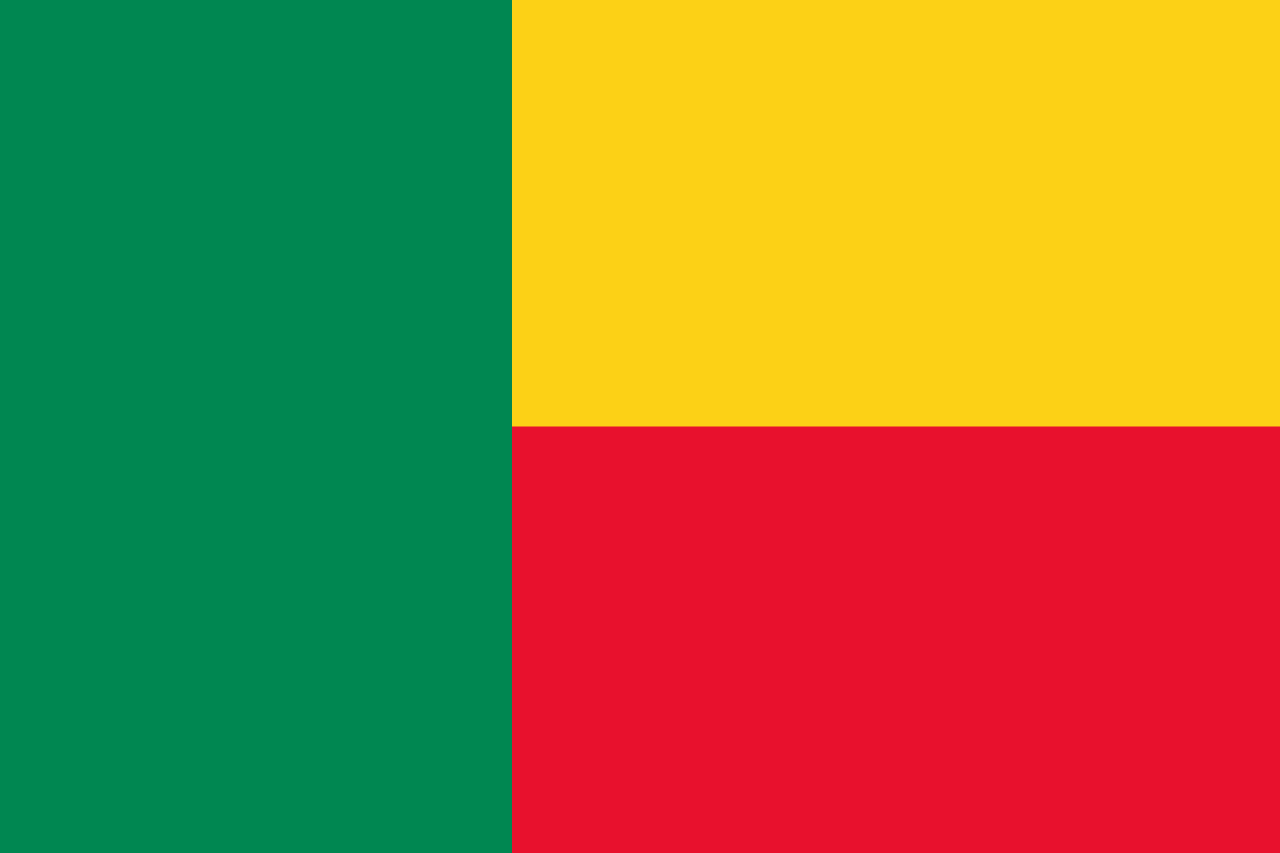
# The History of Benin: From Ancient Times to Today
Nestled in the heart of West Africa, the modern-day nation of Benin holds a rich tapestry of history that weaves together ancient traditions, vibrant cultures, and transformative events. From its indigenous roots to the grandeur of empires, the scars of colonialism, and the strides made in the contemporary era, Benin's journey is as complex as it is fascinating. Join me as we explore the compelling story of Benin, a land where the echoes of the past resonate through the lives of its people today.
## Ancient and Indigenous Roots
Long before the arrival of colonial powers and the emergence of empires, the area now known as Benin was home to diverse indigenous peoples whose cultures thrived long before recorded history. Archaeological evidence indicates that human settlements existed in the region as far back as 10,000 BCE, with the earliest inhabitants engaging in hunting, fishing, and gathering.
As societies evolved, complex communities emerged, notably the Fon people, who are considered the ethnic and cultural backbone of modern Benin. By the 11th century, these communities began to coalesce into chiefdoms, marking the beginning of organized governance. The rich oral traditions of the Fon people recount tales of their ancestry, linking them to ancient deities and ancestral spirits, and establishing a profound connection to their land.
## The Rise of the Kingdom of Dahomey
The most significant chapter of Benin’s early history is undoubtedly the rise of the Kingdom of Dahomey in the 17th century. Founded around 1600, Dahomey grew from a small settlement into one of West Africa’s most powerful states, notable for its military prowess and its unique matrilineal system of succession. Instead of passing power through male lineage, the kingdom often elevated women to positions of strength, including the revered "Amazon" warriors—female soldiers who fought valiantly in battles and became a symbol of Dahomey’s strength and independence.
Under the leadership of powerful kings such as Agaja (r. 1708-1740) and Ghezo (r. 1818-1858), Dahomey expanded its territory through conquest and diplomacy, controlling significant trade routes and engaging in the slave trade. The kingdom became a major supplier of enslaved Africans to European traders, which, while economically beneficial, also led to profound social consequences. Dahomey’s involvement in the transatlantic slave trade was a harsh paradox; it simultaneously enriched the kingdom while deepening its moral complexities.
As the 19th century dawned, Dahomey continued to flourish, constructing elaborate palaces and temples that showcased its wealth and artistry. The famed palace of Abomey, adorned with reliefs depicting the kingdom's history, remains a testament to the empire’s grandeur and cultural richness.
## The Era of Colonialism
The golden age of Dahomey did not last forever. By the late 19th century, European powers were scrambling for control over African territories in what is now known as the "Scramble for Africa." France, intent on expanding its West African empire, set its sights on Dahomey, viewing it as a strategic point in its quest for dominance.
The First Franco-Dahomean War (1890-1894) saw the French invade and ultimately occupy the kingdom, despite fierce resistance from Dahomey’s skilled warriors. After a series of clashes, including the infamous Battle of Cotonou in 1894, France emerged victorious, solidifying its control over the territory. Dahomey was ultimately declared a French protectorate in 1894 and officially annexed in 1904, marking the end of a vibrant indigenous kingdom that had shaped the region for centuries.
Colonial rule brought both infrastructural development and upheaval. The French implemented new systems of administration, education, and transportation, which, while modernizing the region, often disregarded traditional governance structures and cultural practices. This led to a significant erosion of local customs and a rise in discontent among the populace. The imposition of taxes, forced labor, and the suppression of cultural expressions fueled resentment, sowing the seeds of resistance that would eventually blossom into a quest for independence.
## The Road to Independence
As the mid-20th century approached, a wave of nationalism swept across Africa, sparking movements for self-determination and independence. In Dahomey, prominent figures such as Hubert Maga and Justin Ahomadégbé-Tomêtin emerged as leaders in the fight against colonial rule. They sought to unify diverse ethnic groups and rally support for the cause of independence.
On August 1, 1960, Dahomey finally achieved independence from France, becoming the Republic of Dahomey. However, the transition to self-governance was fraught with challenges. The new nation grappled with tribal divisions, economic issues, and political instability. A series of coups and changes in leadership ensued throughout the 1960s, marking a tumultuous decade in which the country struggled to find its footing.
In 1972, a military coup led by Major Mathieu Kérékou ushered in a new era. Kérékou implemented socialist policies and sought to reshape the nation’s identity. In 1975, Dahomey was renamed the People's Republic of Benin, a reflection of its new political ideology and commitment to social equity.
## A New Dawn: Democracy and Modernization
The late 1980s heralded a turning point in Benin’s history. The collapse of socialist regimes across Eastern Europe and the global wave of democratization inspired change in Benin as well. In 1989, widespread protests led to a national conference that paved the way for a transition to democracy. The conference brought together representatives from various political parties, labor groups, and civil society, culminating in the drafting of a new constitution in 1990, which established a multi-party system.
In 1991, the first free elections were held, resulting in the election of Nicéphore Soglo as president. Soglo’s administration focused on economic reforms, and his presidency marked a significant shift towards political stability and democratic governance. Subsequent elections continued to build on this democratic foundation, with leaders such as Kérékou making a return to power before stepping down in 2006, showcasing the country’s commitment to democratic principles.
## Today: A Nation in Motion
Today, the Republic of Benin stands as a beacon of democracy in West Africa, having navigated the complexities of its past to carve out a unique identity on the world stage. With a population of over 12 million, Benin showcases a rich cultural diversity, with over 50 ethnic groups and numerous languages, including French, Fon, and Yorùbá.
Economically, Benin has made strides in agriculture, trade, and tourism. The country is known for its vibrant markets, lively festivals, and traditional crafts, including the renowned voodoo culture that attracts visitors from around the globe. The annual Voodoo Festival, held in Ouidah, celebrates the rich spiritual heritage of the nation and showcases the resilience of its people.
However, challenges still loom on the horizon. Issues such as poverty, infrastructure deficits, and political tensions require ongoing attention and commitment from both the government and citizens. Despite these challenges, Benin continues to embrace its historical legacy while looking forward to a brighter future, navigating the complexities of globalization while preserving its cultural identity.
In conclusion, the history of Benin is a fascinating journey through time—a narrative of resilience, transformation, and rebirth. From the ancient kingdoms that flourished on its land to the modern democratic state it is today, Benin’s story is a testament to the strength of its people and the enduring power of culture and identity. As we reflect on this vibrant history, we are reminded that the past is not merely a collection of events; it is the foundation upon which the future is built. The people of Benin continue to write their story, one that is rich in heritage, marked by struggle, and filled with hope for what lies ahead.