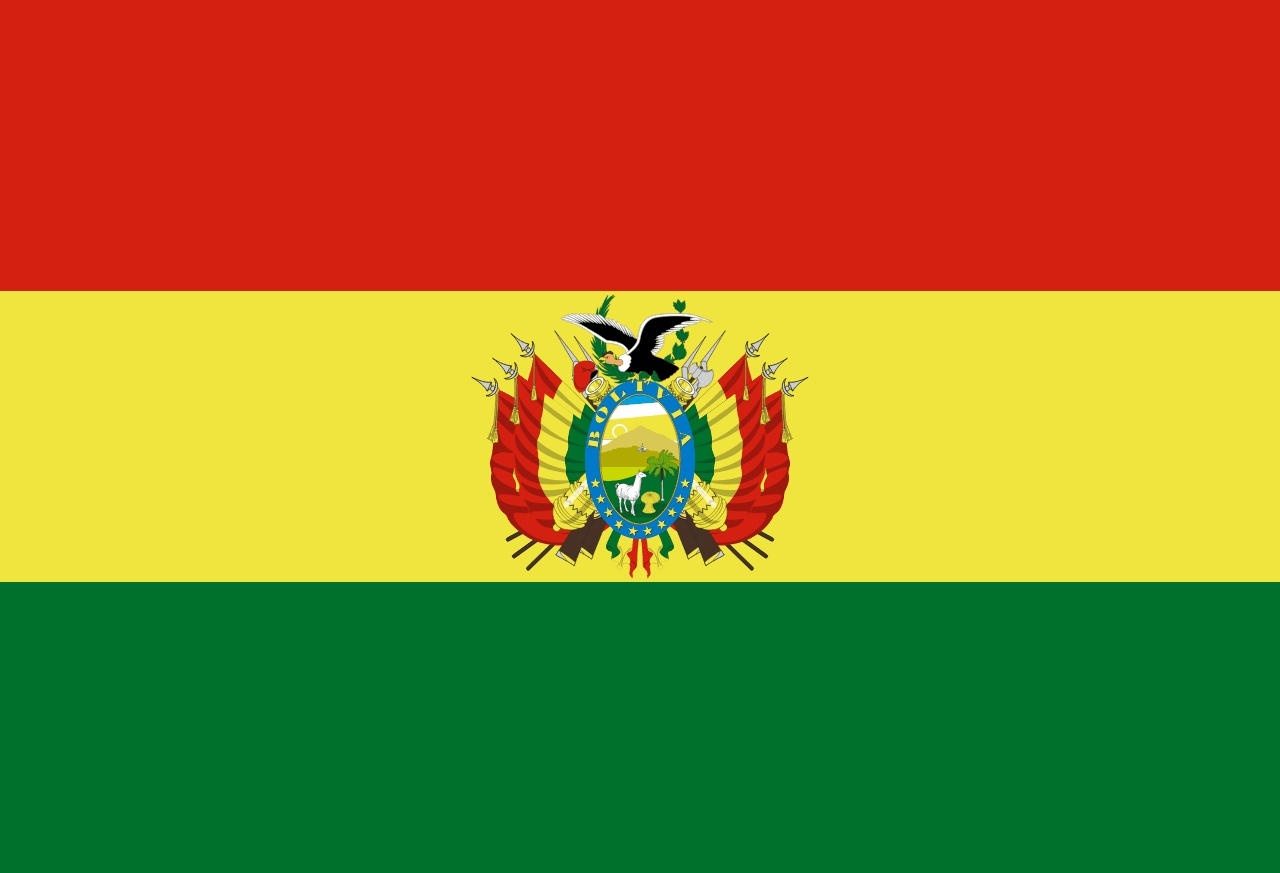
Bolivia, a landlocked jewel nestled in the heart of South America, is often overshadowed by its more famous neighbors like Peru and Chile. While tourists flock to well-known sites like the breathtaking Salar de Uyuni and the ancient ruins of Tiwanaku, many of Bolivia's hidden gems remain largely untouched, waiting to be discovered by the more adventurous traveler. If you yearn to experience the true essence of this vibrant country, it’s time to venture off the beaten path. In this blog post, we will explore some of Bolivia's lesser-known regions, villages, and experiences that reveal the country's rich culture and stunning landscapes, creating unforgettable memories far from the typical tourist trails.
Let’s begin with the quaint village of Copacabana, a charming spot tucked away on the shores of Lake Titicaca, the highest navigable lake in the world. While many tourists come to experience the lake's more popular islands, few take the time to appreciate the serene beauty of this small town. With its picturesque waterfront and vibrant market selling local handicrafts, Copacabana is the perfect base for adventures on the lake. The stunning Basilica of Our Lady of Copacabana is a must-visit for its intricate architecture and spiritual significance. To reach Copacabana, you can take a bus from La Paz or Puno, Peru, which offers beautiful views of the lake along the way.
Just a short boat ride away lies Isla del Sol, a mystical island steeped in Incan mythology. Fewer tourists wander here compared to the more frequented Isla de la Luna or the nearby floating islands of Uros. Often described as a place where the sun was born, Isla del Sol is adorned with ancient ruins, terraced hillsides, and stunning vistas of the shimmering lake. Hike along the island’s trails, exploring sites like the Inca Steps and the Sacred Fountain, where tradition holds that drinking the water will grant you eternal love. To get to Isla del Sol, you can hop on a boat from Copacabana, and don’t forget to spend at least a night to soak in the island's magical atmosphere.
Next, we venture into the heart of Bolivia’s countryside to discover the enchanting town of Tarija. Known for its wine production, Tarija is often overlooked by travelers who miss out on its scenic vineyards and lush valleys. The region’s unique climate, characterized by sunny days and cool nights, creates perfect conditions for winemaking. Join a wine tour to sample local varieties such as the aromatic Torrontés or the robust Tannat. The town itself is charming, with cobblestone streets, colonial architecture, and a lively plaza where you can mingle with locals. To reach Tarija, take a flight from La Paz or a bus from Sucre, enjoying the scenic drive through Bolivia's picturesque landscapes.
A little further off the tourist radar is the tiny village of Samaipata, known for its archaeological site, El Fuerte. It’s an excellent destination for those interested in ancient cultures. The site, which dates back to the Incas and pre-Inca civilizations, features impressive stone carvings and terraces that blend seamlessly with the surrounding landscape. The village itself is surrounded by lush forests and rolling hills, perfect for hiking and exploring the natural beauty of the area. A visit to the nearby Amboró National Park will reward you with stunning biodiversity and opportunities to spot exotic wildlife. You can reach Samaipata by bus from Santa Cruz, making it an easy day trip or a perfect overnight getaway.
If you’re looking to dive even deeper into Bolivia’s cultural tapestry, the town of Potosí should be on your radar. Known historically for its silver mines, Potosí is one of the highest cities in the world and offers a unique glimpse into the country’s colonial past. While many visitors come to explore the mines, fewer take the time to appreciate the rich architectural heritage of the town, including the stunning Casa de la Moneda, a former mint that now houses a museum showcasing the history of currency in Bolivia. The town’s bustling markets and local eateries offer a chance to savor traditional Bolivian cuisine, like salteñas and pique a lo macho. Potosí is accessible via bus from Sucre or La Paz, and spending a few days here provides a fascinating insight into Bolivia's complex history.
For those seeking natural wonders, the stunning landscape of the Yungas region will leave you breathless. Known for its lush rainforests, waterfalls, and diverse wildlife, the Yungas is a paradise for nature lovers and hikers. The famous "Death Road," once considered one of the most dangerous roads in the world, runs through the region and offers exhilarating biking opportunities for thrill-seekers. Explore the small town of Coroico, where you can take in panoramic views of the lush valleys below. The best way to reach the Yungas is to take a bus from La Paz, or if you’re feeling adventurous, rent a bike and experience the thrilling descent down the Death Road.
Another hidden gem is the town of Sucre, Bolivia’s constitutional capital. While many tourists pass through on their way to Potosí or Tarija, Sucre’s charming colonial architecture and vibrant cultural scene deserve more attention. The city is a UNESCO World Heritage Site, with beautiful streets lined with whitewashed buildings and ornate churches. Visit the stunning Casa de la Libertad, where the country’s independence was declared, and immerse yourself in the local culture by attending a festival or traditional dance performance. Sucre is easily accessible by bus from La Paz or Santa Cruz, and spending a few days here allows you to soak in the rich history and vibrant atmosphere of the city.
One of Bolivia’s most enchanting experiences takes place in the remote village of Challapata, where the annual Festival of the Virgin of Socavón draws visitors from across the country. Celebrated in August, this colorful festival showcases traditional music, dance, and feasting in honor of the Virgin. Participating in this lively celebration provides a unique opportunity to immerse yourself in local culture, as you join in the vibrant festivities alongside the warm-hearted locals. To reach Challapata, you can take a bus from Oruro, making sure to check the festival dates in advance to maximize your experience.
Finally, no journey through Bolivia would be complete without a visit to the stunning Eduardo Avaroa National Park, located in the southwest of the country. While many tourists flock to the famous Laguna Colorada and the surreal landscapes of the Altiplano, few venture deeper into the park's many wonders. Trekking through the park allows you to encounter surreal rock formations, hidden lagoons, and an abundance of wildlife, including flamingos, llamas, and unique Andean birds. Camp under the stars in this remote wilderness, where the silence is only broken by the sounds of nature. Getting to Eduardo Avaroa National Park usually requires a tour from Uyuni, but it’s well worth the effort to uncover one of Bolivia’s most breathtaking natural treasures.
As you plan your trip to Bolivia, remember that the country’s hidden gems often require a little extra effort to reach but reward you with genuine experiences and unforgettable encounters. Here are some practical tips to make your journey more enjoyable:
1. **Travel Off-Peak**: To avoid crowds and connect with locals, consider traveling during the shoulder seasons (April-May and September-October). The weather is still pleasant, and you’ll have a more authentic experience.
2. **Learn Basic Spanish**: While many Bolivians in tourist areas speak English, knowing a few basic phrases can enhance your interactions and help you navigate more remote areas.
3. **Pack for Varying Climates**: Bolivia's diverse landscapes mean that temperatures can vary dramatically. Layering is key, especially when transitioning from the high-altitude areas to the warmer lowlands.
4. **Prioritize Sustainable Travel**: Many of the hidden gems are surrounded by delicate ecosystems. Be mindful of your impact on the environment by following Leave No Trace principles and supporting local businesses.
5. **Embrace Local Cuisine**: Don’t shy away from trying street food and local delicacies! From salteñas to anticuchos, Bolivia’s culinary scene is as diverse as its landscapes.
6. **Be Open-Minded**: Embrace the unexpected. Some of the best experiences come from unplanned adventures and interactions with locals.
Bolivia is a treasure trove of hidden gems waiting to be explored. By stepping off the well-trodden paths, you’ll discover the rich culture, stunning landscapes, and heartfelt hospitality that make this country so unique. Whether you’re wandering through the charming streets of Sucre, hiking the enchanting trails of Isla del Sol, or celebrating with locals at a vibrant festival, each of these lesser-known destinations offers a glimpse into the heart of Bolivia — a journey you will cherish for a lifetime. So pack your bags, venture beyond the usual tourist hotspots, and prepare for an adventure that will leave you with unforgettable memories and a deeper appreciation for this incredible country.