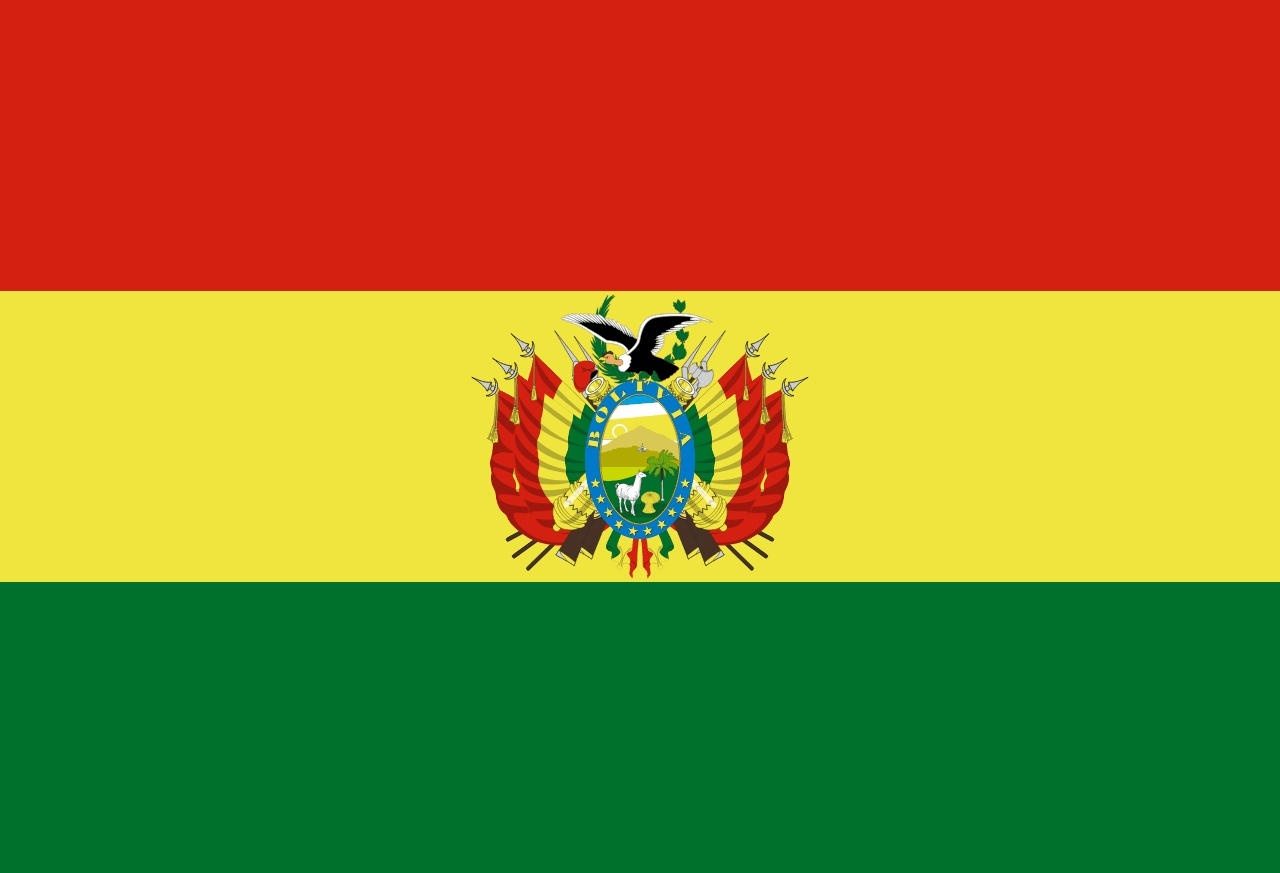
Nestled in the heart of South America, Bolivia is a land of breathtaking landscapes and rich cultural heritage. Its culinary scene is an intricate tapestry woven from indigenous traditions, Spanish colonial influences, and regional flavors that vary dramatically from the high-altitude altiplano to the lush Amazon basin. As I wandered through the bustling markets of La Paz and the charming streets of Sucre, the aroma of spices, the vibrant colors of fresh produce, and the warmth of local eateries beckoned me to explore the heart of Bolivian cuisine. This gastronomic adventure revealed a treasure trove of flavors and stories, each dish offering a glimpse into the country's history and the diverse cultures that inhabit it. Here are ten must-try Bolivian dishes that will tantalize your taste buds and leave you yearning for more.
First on my list is Salteña, a beloved snack that can be found in every corner of Bolivia. These savory pastries are stuffed with a mixture of spiced meat—usually beef, chicken, or pork—along with potatoes, peas, and hard-boiled eggs. The crust is slightly sweet and delightfully flaky, creating a perfect contrast to the juicy filling. As I sank my teeth into a hot Salteña from a street stall in La Paz, the explosion of flavors left me craving another. Traditionally enjoyed as a mid-morning snack, they are often paired with aji, a spicy sauce that adds an extra kick. The story goes that Salteñas originated from the city of Potosí, where they were created as a portable meal for miners. Today, they represent the vibrant spirit of Bolivian cuisine.
Next up is Pique Macho, a hearty dish that offers a taste of Bolivian comfort food. This plate features a generous serving of tender beef, cut into strips and sautéed with onions, bell peppers, and spices. It's topped with fried eggs and served over a bed of crispy French fries. The combination of flavors is robust and satisfying, a meal that warms both the body and soul. I found myself in a small family-run restaurant in Cochabamba, where the owners proudly shared that Pique Macho was often enjoyed during celebrations or family gatherings. The name translates to "tough guy," a nod to the dish's hearty appetite and its reputation as a man's meal. Yet, I found it utterly delightful, proving that this dish transcends gendered boundaries!
Next, I encountered the delightful Sopa de Maní, a peanut soup that’s a staple in Bolivian households. The base of this dish is made from pureed peanuts, which lend a rich, creamy texture. The soup is typically loaded with vegetables, potatoes, and sometimes chunks of meat, creating a comforting bowl that’s perfect for any occasion. I sampled this dish at an open-air market in Tarija, where vendors were serving steaming bowls to chilly visitors. The robust nuttiness paired beautifully with the fresh herbs sprinkled on top, making each spoonful a celebration of flavor. Sopa de Maní is often associated with the indigenous Aymara culture, who have long cherished peanuts for their nutritional value and versatility.
As I continued my culinary journey, I stumbled upon the iconic Llama meat, specifically in the form of Llama a la Parrilla. This grilled delicacy is celebrated for its lean, tender meat, often marinated with a blend of spices and herbs before being grilled to perfection. At a local parrilla in La Paz, I watched as the chef expertly grilled the llama meat over an open flame, filling the air with an irresistible aroma. The first bite was a revelation: the meat was juicy and flavorful, with a hint of smokiness that paired perfectly with a side of chimichurri sauce. Llama has been an integral part of Bolivian culture for centuries, revered not only as a source of sustenance but also as a symbol of the Andean way of life.
No journey through Bolivian cuisine would be complete without tasting the famous Tanta Wawa, a traditional bread shaped like a baby or doll that is especially popular during the Day of the Dead celebrations. These sweet breads, often adorned with colorful icing, are not just delicious but also culturally significant. I visited a bakery in Sucre where the baker explained that Tanta Wawa represents the souls of deceased children and is often placed on altars alongside offerings of food and drink. The bread itself is soft and slightly sweet, and I savored each bite while reflecting on the rich cultural significance behind this festive treat.
Moving on to something lighter, I discovered Api, a traditional Bolivian drink made from corn. This thick, warm beverage is often served with pastries or empanadas and is particularly popular for breakfast. I found myself enjoying a steaming cup of Api in a cozy café in La Paz, where the sweet aroma of cinnamon and cloves wafted through the air. The drink is made from a blend of purple corn, sugar, and spices, giving it a comforting, earthy flavor. It’s a drink steeped in tradition, representing the indigenous agricultural practices that have sustained Bolivian communities for generations.
As I continued my culinary exploration, I was drawn to the hearty dish known as Chairo, a traditional soup from the Altiplano region. This warming dish consists of lamb or beef, potatoes, vegetables, and a base of quinoa, creating a nutritious and filling meal that is perfect for the cold climate. I tried Chairo in a small town nestled in the mountains, where the locals would often gather for a hearty meal after a long day. The soup's rich, complex flavors were comforting and provided a sense of home, showcasing the resourcefulness of Bolivian cooks who utilize local ingredients to create sustenance that nourishes both body and spirit.
Another must-try dish is the Bolivian version of the classic tamale, known as Huminta. This delicious treat, made from fresh corn, cheese, and spices, is wrapped in corn husks and steamed to perfection. The texture is wonderfully soft and slightly sweet, making it a delightful snack or side dish. I had the pleasure of tasting Huminta at a local festival in Santa Cruz, where vendors showcased their culinary skills, and families gathered to celebrate their heritage. The warm, cheesy goodness of Huminta is a testament to the importance of corn in Bolivian cuisine, a crop that has sustained the nation for millennia.
Finally, I couldn't leave Bolivia without indulging in a refreshing bowl of Quinoa Salad. This dish highlights one of Bolivia's most famous exports: quinoa. Rich in protein and nutrients, quinoa is a staple ingredient in the Bolivian diet. The salad typically includes fresh vegetables, herbs, and a zesty dressing, making it a light yet satisfying meal. I enjoyed a bowl of quinoa salad in a trendy café in La Paz, where the emphasis was on local and sustainable ingredients. The nutty flavor of the quinoa combined with fresh produce made for a perfect summer dish, showcasing the versatility and health benefits of this ancient grain.
As I reflect on my Bolivian culinary adventure, I realize that the country's food is more than just sustenance; it's a celebration of culture, history, and community. From street stalls serving piping hot Salteñas to family-owned restaurants dishing out hearty Pique Macho, the warmth and hospitality of the Bolivian people are evident in every bite. If you find yourself in this remarkable country, be sure to explore the vibrant markets, where the colors of fresh produce and the sounds of sizzling meat fill the air. Seek out local eateries, where traditional recipes are passed down through generations, ensuring that the essence of Bolivia's rich culinary heritage remains alive and well. Whether you're taking a leisurely stroll through the streets of La Paz, dining in a small town, or immersing yourself in a bustling festival, Bolivian food offers an unforgettable experience that will linger in your heart long after the last bite.