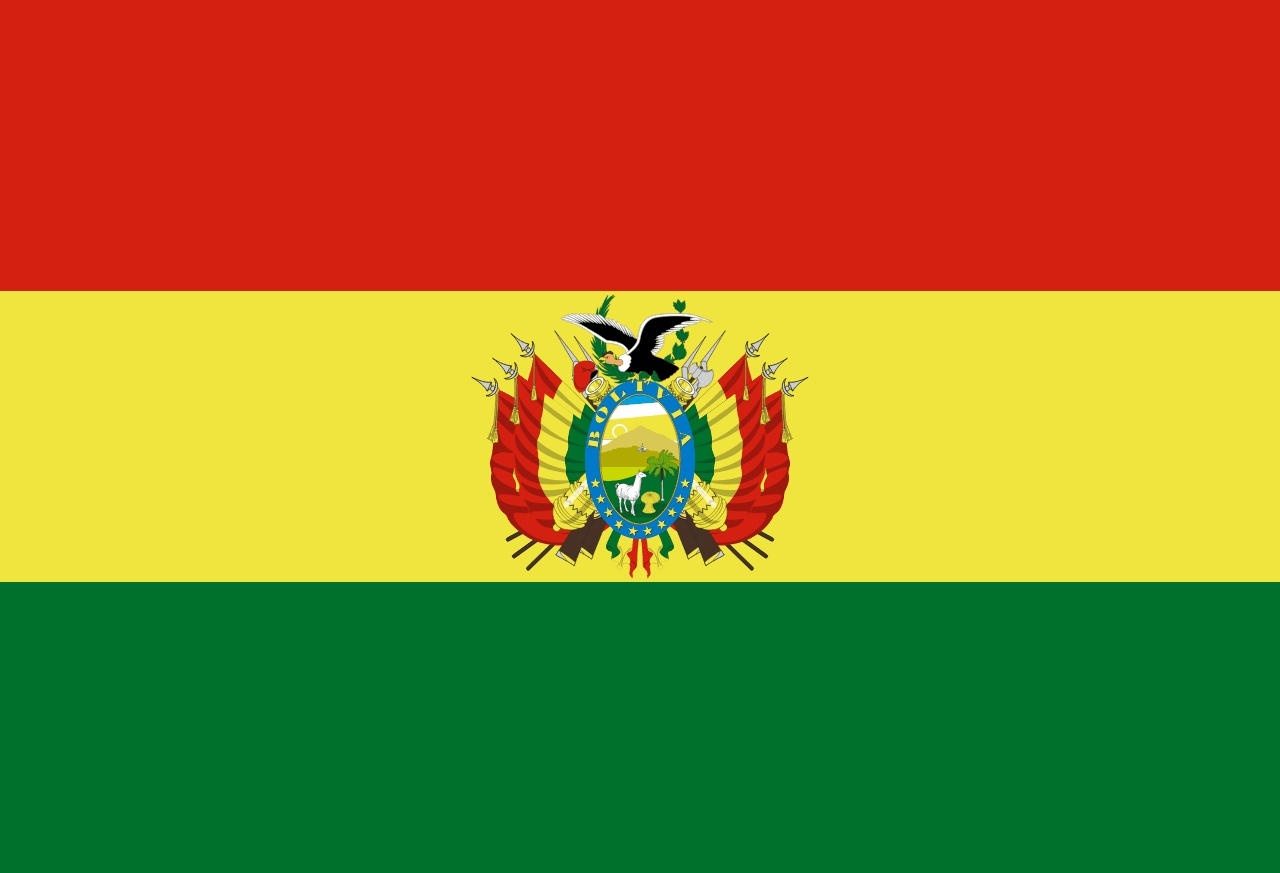
What It's Really Like to Live in Bolivia
As the sun rises over the Andes, casting a golden hue across the rugged mountains and bustling streets, I often find myself reflecting on what everyday life is truly like in Bolivia. Having lived in this vibrant and diverse country for several years, I have come to appreciate the complex tapestry of culture, tradition, and modernity that defines Bolivian life. From the daily routines to the culinary delights, social customs, and the unique rhythms of family and work, Bolivia has gifted me with experiences that are both enriching and enlightening.
Life in Bolivia generally starts early. The sun rises around six in the morning, and you can hear the sounds of the city waking up. In La Paz, for instance, the streets begin to fill with vendors setting up their stalls, selling everything from fresh fruits and vegetables to handmade textiles. The cost of living in Bolivia is remarkably affordable compared to many other countries, particularly if you embrace the local lifestyle. Rent for a modest apartment in La Paz can range from $200 to $400 per month, while a hearty lunch at a local "almuerzo" spot typically costs between $2 to $5.
One of the aspects I adore about Bolivian life is its deep-rooted food culture. Lunch is the main meal of the day, and it’s common for families and workers to indulge in a multi-course feast. Traditional dishes include salteñas (savory pastries filled with meat, vegetables, and spices) and pique a lo macho (a vibrant mix of meat, sausage, potatoes, and peppers). Markets are a food-lover’s paradise, bursting with fresh produce and local specialties. When I first arrived, I was struck by the variety of potatoes available—over 1,000 different types, all native to the Andean region. Each has its unique flavor and texture, making every meal an exploration of taste.
Dining is not just about nourishment; it’s an integral part of social life. Sharing a meal is a way to connect with family and friends, and it often comes with lively conversation. Meals in Bolivia are often accompanied by a cup of mate de coca, a herbal tea made from coca leaves that is deeply ingrained in the culture. It’s known for its stimulating properties and is a common sight at gatherings and family meals. When someone offers you “¿Quieres un mate?” (Do you want some mate?), it's not just about the drink; it's an invitation to bond.
Social customs in Bolivia reflect a rich blend of indigenous traditions and Spanish influence. Greetings are warm and genuine, often accompanied by a handshake or a hug. It's customary to greet everyone in the room, and you’ll hear the phrase “buen día” (good day) frequently. When attending social gatherings, it’s also customary to bring a small gift, such as sweets or a bottle of wine, as a sign of appreciation for the host.
Family life in Bolivia tends to be close-knit, with extended families often living together or in close proximity. Family gatherings are frequent, and Sundays are typically reserved for spending time with loved ones. A typical Sunday might involve a family picnic in one of the many beautiful parks, where you’ll find families grilling meat, playing games, and enjoying each other’s company. Children are cherished and often doted on by their grandparents, which fosters a strong sense of identity and belonging.
Work culture in Bolivia varies widely depending on the industry and location. In urban areas like La Paz and Santa Cruz, the pace can be fast, especially in sectors like commerce and tourism. The workweek typically runs from Monday to Friday, with many offices operating from 8 AM to 5 PM. However, in rural areas, life moves at a slower pace, deeply intertwined with agricultural cycles. Many people work in fields or artisanal crafts and maintain a traditional lifestyle that honors age-old practices.
Weekends in Bolivia are a vibrant affair. Most people look forward to relaxing and unwinding after a long week. Markets are bustling on Saturdays, where locals shop for fresh produce, textiles, and handicrafts. You’ll often see families enjoying a leisurely stroll, sampling street food, or listening to live music. Football (soccer) is a national passion, and during the weekends, you’ll find people gathered around screens in cafés, cheering for their favorite teams, or playing in local parks.
The weather in Bolivia can be remarkably diverse due to its varied geography. In La Paz, which sits at an altitude of over 11,000 feet, the climate is cool and dry, while in the lowland areas of Santa Cruz, it’s tropical and humid. The high altitude can be challenging for newcomers, often leading to altitude sickness, but locals have adapted to the thinner air. I remember my first week in La Paz, feeling light-headed and breathless, but with time, I learned the importance of staying hydrated and drinking mate de coca to help acclimate.
Living in Bolivia also comes with its challenges. The political landscape can be tumultuous, with protests and strikes common occurrences. Public transportation, while incredibly affordable, can be chaotic; buses and micros (small buses) often seem to have no set schedule, leading to long waits. However, these challenges are offset by the richness of Bolivian culture and the warmth of its people. There’s an undeniable spirit of resilience among locals, a “vivir bien” (to live well) ethos that transcends difficulties and celebrates community and connection.
One of the most surprising aspects for foreigners is the sense of community and the importance of social ties. Unlike in many Western cultures where independence is heavily emphasized, Bolivians often prioritize collective well-being. Neighbors look out for one another, and it’s common for locals to help each other with tasks, whether it’s sharing tools or watching each other’s children. This spirit of collaboration extends to celebrations, where communal feasts and festivals bring people together in joyous unity.
Bolivia is a land of contrasts, where ancient traditions coexist alongside modern advancements. Festivals like Carnaval or Todos Santos showcase the vibrant culture, drawing in locals and tourists alike. During these celebrations, you can witness colorful parades, traditional music, and dance that reflect the country’s rich indigenous heritage. I remember being mesmerized by the colorful costumes of dancers during Carnaval in Oruro, where the rhythm of the music echoed through the streets, inviting everyone to join in the festivities.
As I look back on my time in Bolivia, I realize that the essence of everyday life here is defined by connection—whether it’s through shared meals, the warmth of a greeting, or the communal spirit during festivals. The challenges faced are often overshadowed by the beauty found in daily interactions and the rich tapestry of experiences that shape the lives of Bolivians.
Living in Bolivia has opened my eyes to a world where community, culture, and resilience intertwine. It’s a place that may initially seem foreign, but once you embrace its quirks and unique customs, you’ll find it holds a special place in your heart. So, if you ever find yourself wandering the colorful streets of La Paz or the lush landscapes of the Amazon, take a moment to immerse yourself in the rhythm of Bolivian life—you might just find yourself enchanted by its beauty and warmth.