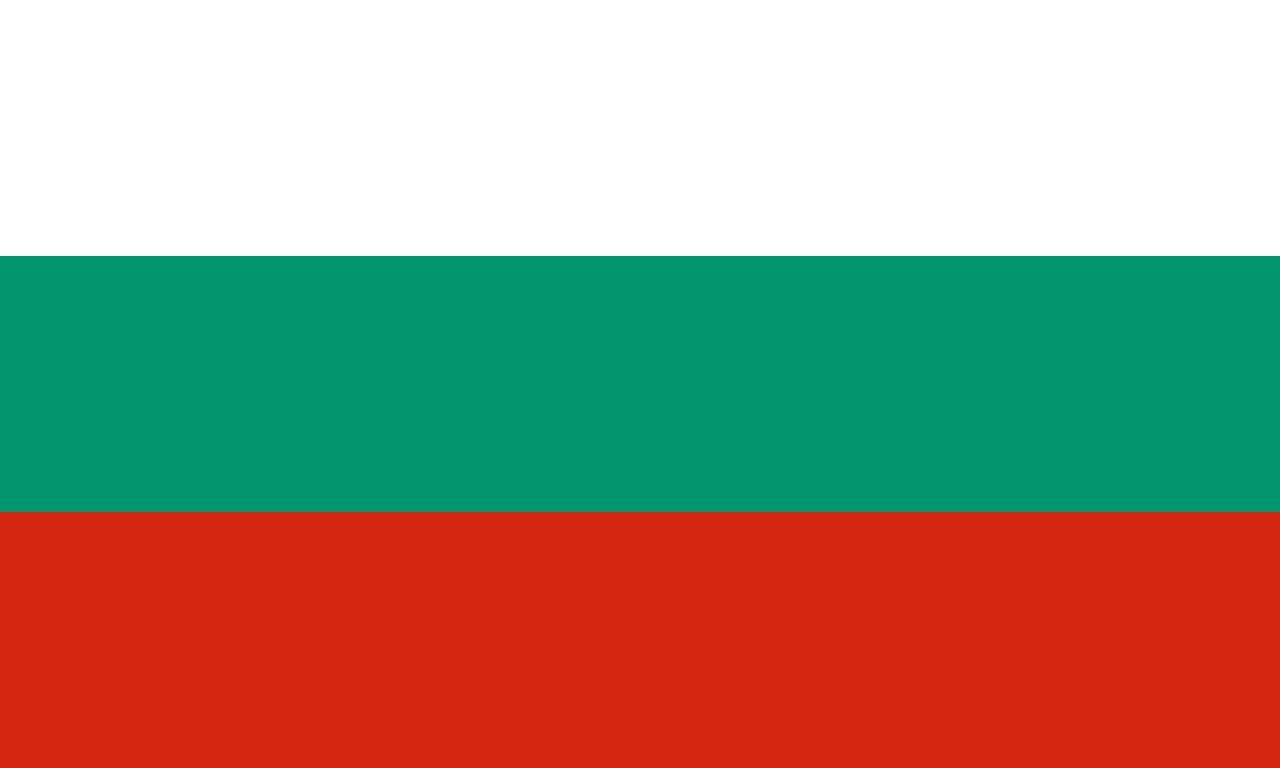
Bulgaria, a hidden gem nestled in the heart of the Balkan Peninsula, boasts a culinary culture as rich and diverse as its stunning landscapes. With its lush mountains, sun-kissed plains, and a coastline kissed by the Black Sea, the country is a treasure trove of flavors and aromas that tell stories of centuries-old traditions and cultural exchanges. As I wandered through charming villages and bustling towns, I was constantly drawn to the vibrancy of Bulgarian cuisine, a melting pot of influences from the Mediterranean, the Middle East, and Eastern Europe. The food here is not just sustenance; it’s a celebration of life, community, and heritage. Join me on this delicious journey as I share ten quintessential Bulgarian dishes you simply must try.
First on my culinary adventure is Shopska Salad, or "Шопска салата." This refreshing salad is a staple throughout Bulgaria and is a symbol of the country's culinary identity. Made with diced tomatoes, cucumbers, onions, peppers, and a generous topping of crumbled white brined cheese called sirene, Shopska Salad bursts with freshness. The first bite is a delightful balance of crisp vegetables with a tangy, creamy finish from the cheese. I savored this dish in a small restaurant in the heart of Sofia, where locals gathered to share stories over plates of this vibrant salad. Traditionally, it’s served as an appetizer, especially in the hot summer months, symbolizing the warmth and hospitality of Bulgarian culture.
Next up is the beloved Banitsa, or "Баница." This flaky pastry is filled with a harmonious mixture of eggs, yogurt, and sirene, all wrapped in layers of thin pastry dough and baked to golden perfection. The first bite reveals a delightful crunch, followed by a warm, savory filling that is both comforting and indulgent. I stumbled upon a quaint bakery in a small village, where the smell of fresh banitsa wafted through the air. The locals often enjoy it for breakfast or as a snack, sharing stories over steaming cups of yogurt drink, ayran. There’s a charming tradition surrounding banitsa during the New Year’s festivities; it’s common to hide a coin in the filling, and whoever finds it is believed to have good luck for the year ahead.
As my culinary exploration continued, I couldn’t resist trying Sarmi, or "Сарми." These cabbage rolls, stuffed with a mixture of minced meat and rice, are a beloved dish that embodies the warmth of Bulgarian home cooking. The rolls are simmered in a tangy tomato sauce or broth, allowing the flavors to meld beautifully. When I tasted my first sarmi at a family-owned restaurant in Plovdiv, I was struck by the comforting heartiness of the dish, reminiscent of a warm hug on a chilly evening. Sarmi are often prepared for special occasions, served during family gatherings, and embody the spirit of togetherness that defines Bulgarian culture.
Another dish that left an indelible mark on my palate was Kavarma, or "Каварма." This slow-cooked stew is typically made with pork or chicken, vegetables, and aromatic spices, all simmered in a clay pot. The result is a rich, savory dish that is both hearty and incredibly flavorful. I discovered this gem in a rustic tavern in the Rhodope Mountains, where the warmth of the fire complemented the dish perfectly. Kavarma is often enjoyed with a side of crusty bread to soak up the rich sauce, and it’s a favorite among locals, especially during colder months. It’s a dish that tells the story of Bulgaria's rustic charm and the importance of sharing meals with loved ones.
No culinary journey in Bulgaria would be complete without tasting the fragrant Tarator, or "Таратор." This cold soup, made with yogurt, cucumbers, garlic, and dill, is a refreshing antidote to the summer heat. I found myself sipping on a bowl of tarator at a sun-drenched terrace overlooking the Black Sea, where the flavors danced on my tongue, a perfect blend of creamy and refreshing. Often served as an appetizer or a light meal, tarator embodies the essence of Bulgarian summer living, a time when families gather around tables filled with fresh produce and laughter.
A visit to Bulgaria would be incomplete without savoring Moussaka, or "Мусака." Unlike its Greek counterpart, Bulgarian moussaka is typically made with layers of potatoes, ground meat, and a creamy egg topping. The dish is baked to a beautifully golden crust, and each slice reveals a comforting combination of flavors. I was treated to this dish at a cozy family-run restaurant in Veliko Tarnovo, where the owner proudly shared that moussaka is a favorite among Bulgarians, often prepared for Sunday family dinners. The warm, hearty nature of this dish reflects the love and care that goes into Bulgarian home cooking.
Continuing my journey, I couldn’t resist the allure of Patatnik, or "Пататник." This hearty potato dish is a staple in the mountainous regions of Bulgaria and is made with grated potatoes, onions, and various spices, all baked until crispy and golden. I enjoyed my first patatnik in a rustic taverna in the Pirin Mountains, where the earthy flavors and crispy texture combined to create a dish that feels like home. Traditionally, it is served with yogurt on the side, and it’s a favorite comfort food for many Bulgarians, often prepared during family gatherings and celebrations.
Another culinary delight I encountered was the sweet and sticky Baklava, or "Баклава." This iconic dessert, made from layers of phyllo pastry, nuts, and honey syrup, is a testament to Bulgaria's rich history of culinary influences. I found myself indulging in a piece of baklava at a charming café in Plovdiv, where the dessert’s sweetness perfectly balanced the nutty flavors. Baklava is often enjoyed during holidays and celebrations, and there’s something truly special about sharing this sweet treat with friends and family, a connection to the past that endures through generations.
As I delved deeper into Bulgarian cuisine, I came across a delightful dish called Lutenitsa, or "Лютеница." This savory spread is made from roasted red peppers, tomatoes, garlic, and spices, creating a rich and flavorful condiment that pairs beautifully with bread, meats, or cheese. I discovered lutenitsa at a bustling farmers' market in Sofia, where vendors proudly displayed their homemade jars. It is often made during the harvest season, a time when families come together to prepare and preserve the year’s bounty. Lutenitsa not only enhances meals but also serves as a reminder of the importance of community and sharing in Bulgarian culture.
Finally, I couldn’t leave Bulgaria without indulging in a glass of Rakia, or "Ракия." This traditional fruit brandy, typically made from grapes or plums, is a beloved beverage among Bulgarians and is often served as an aperitif. I enjoyed a glass of rakia in a lively mehana (tavern) in Bansko, where the atmosphere buzzed with laughter and music. The first sip is strong and warming, a perfect accompaniment to the rich flavors of Bulgarian cuisine. Rakia is more than just a drink; it’s a symbol of hospitality and camaraderie, often shared among friends and family during celebrations and gatherings.
As I conclude my culinary journey through Bulgaria, I can't help but reflect on the incredible flavors and stories behind each dish. Whether you find yourself in a bustling market, savoring the local delicacies from street stalls, or dining in charming family-run restaurants, the warmth and hospitality of the Bulgarian people will be felt in every bite. For those looking to explore the best of Bulgarian cuisine, I highly recommend visiting local farmers' markets, where the freshest ingredients and homemade specialties abound. Street stalls offer an authentic taste of traditional snacks, while cozy restaurants invite you to linger over hearty meals with loved ones. In Bulgaria, food is not just nourishment; it’s a celebration of culture, tradition, and the joy of coming together as a community. So, pack your bags and prepare your taste buds for an unforgettable culinary adventure in this beautiful Balkan country!