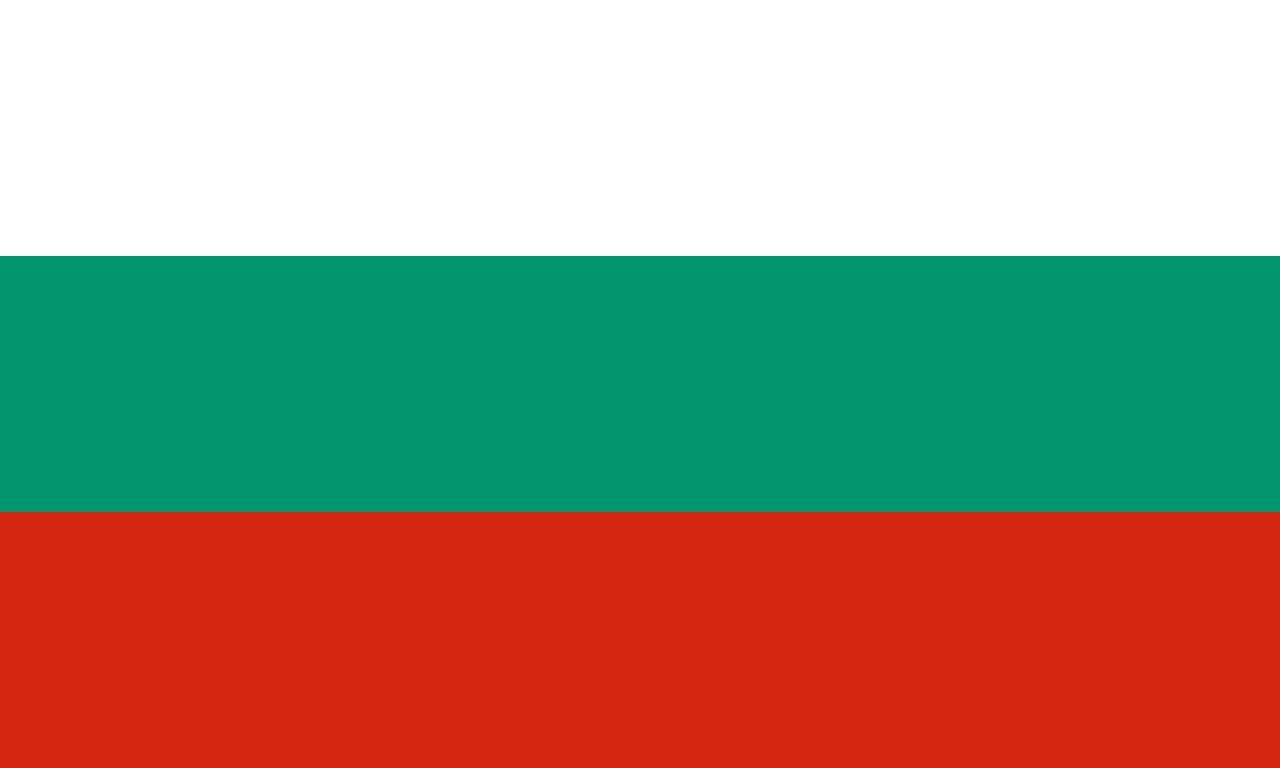
The History of Bulgaria: From Ancient Times to Today
🌐 Translate:
# The History of Bulgaria: From Ancient Times to Today
Nestled at the crossroads of Europe and Asia, Bulgaria is a land steeped in rich history and vibrant cultural heritage. From ancient tribes roaming its verdant hills to a modern nation grappling with the complexities of contemporary life, the narrative of Bulgaria is a tapestry woven from threads of resilience, turmoil, and triumph. Join me on a journey through time as we explore the key eras in the history of Bulgaria, tracing its evolution from antiquity to the present day.
## Ancient and Indigenous History
The story of Bulgaria begins long before the establishment of the Bulgarian state. Inhabited for thousands of years, the area was home to various Thracian tribes, a group renowned for their fierce warrior culture and deep-seated spirituality. The Thracians are often remembered for their intricate burial mounds and vibrant artistic expressions, which can still be seen today in the archaeological sites scattered across the nation. The Valley of the Thracian Kings, near Kazanlak, is a testament to their rich heritage, with elaborate tombs that showcase stunning frescoes and golden artifacts.
As the centuries rolled on, these tribes interacted with mighty civilizations, including the Greeks and Romans, who left their mark on the region. The Thracians resisted foreign domination, but in the 1st century B.C., they ultimately succumbed to Roman rule. The Roman Empire's influence introduced new urban centers, advanced engineering, and a complex system of roads that would connect the vast territories of what is now Bulgaria. The city of Plovdiv, one of the oldest in Europe, thrived during this era, adorned with theaters, amphitheaters, and public baths that remain a testament to the architectural prowess of Roman builders.
## The Rise of the First Bulgarian Empire
The dawn of the 7th century marked a turning point in Bulgarian history. As Slavic tribes migrated into the Balkans, they intermingled with the local populations, leading to the formation of a new identity. This period saw the rise of the First Bulgarian Empire, founded in 681 AD by Khan Asparuh. Under Asparuh's leadership, the Bulgars, a nomadic group from Central Asia, established a powerful state that would stretch from the Danube River to the Aegean Sea.
The empire’s consolidation was marked by the adoption of the Old Bulgarian language and the establishment of a unique cultural identity. The Bulgarian Orthodox Church emerged as a vital institution, promoting literacy and religious unity. The invention of the Cyrillic alphabet by Saints Cyril and Methodius in the 9th century provided a significant boost to Slavic literacy and culture, allowing for the codification of Slavic languages and the spread of Christianity. This remarkable achievement not only shaped Bulgarian identity but also had a profound impact on the entire Slavic world.
The reign of Tsar Simeon I (893-927 AD) is often regarded as the golden age of the First Bulgarian Empire. Under his rule, Bulgaria expanded its territory, asserting dominance over neighboring regions, and enjoying a flourishing of art, literature, and education. The capital, Preslav, transformed into a cultural hub, adorned with magnificent churches and schools dedicated to the advancement of knowledge. However, this golden age was not to last, as military conflicts with the Byzantines and internal strife weakened the empire, leading to its eventual decline.
## The Byzantine Interlude and the Second Bulgarian Empire
By the late 10th century, Bulgaria found itself embroiled in a series of wars with the Byzantine Empire, culminating in its conquest in 1018, which marked the beginning of a long period of Byzantine rule. Nevertheless, the Bulgarian spirit remained unbroken, and in 1185, two brothers, Asen and Peter, initiated a rebellion against Byzantine authority. This uprising led to the establishment of the Second Bulgarian Empire, ushering in a new era of strength and cultural renaissance.
Under the guidance of Tsar Kaloyan and later Tsar Ivan Asen II, the Second Bulgarian Empire reached its zenith, rivaling the Byzantine Empire in power and influence. This period, from the late 12th to the 14th century, is characterized by territorial expansion, economic prosperity, and a flourishing of art and architecture. The construction of magnificent churches and monasteries, such as the Rila Monastery and the Boyana Church, exemplified the spiritual and cultural revival of the era.
However, the decline of the Second Bulgarian Empire was swift. By the late 14th century, the Ottoman Turks began their incursions into the Balkans, leading to a series of battles that ultimately resulted in the fall of the Bulgarian capital, Tarnovo, in 1393. This marked the beginning of nearly five centuries of Ottoman rule, a period that profoundly shaped the identity and culture of the Bulgarian people.
## The Ottoman Period
The Ottoman Empire's domination over Bulgaria brought both hardship and cultural exchange. While the conquerors imposed their own governance and religious practices, they also contributed to the economic and architectural development of the region. The construction of mosques, bridges, and public buildings marked a significant evolution in urban planning and architecture.
Despite the challenges of Ottoman rule, the Bulgarian people maintained their distinct linguistic and cultural identity. The period became synonymous with a burgeoning national consciousness, fueled by a desire for liberation. As the 19th century approached, the seeds of nationalism took root, inspired by the broader European trends of self-determination. Figures such as Vasil Levski and Hristo Botev emerged as icons of the struggle for freedom, galvanizing support from the masses.
The April Uprising of 1876 was a pivotal moment in this struggle. Although it was brutally suppressed by Ottoman forces, the uprising drew international attention to the plight of Bulgarians, igniting the flame of liberation. The Russo-Turkish War (1877-1878) ultimately provided the opportunity for Bulgaria to emerge from the shadows of Ottoman rule, leading to the establishment of the Principality of Bulgaria.
## Independence and Modern Formation
In 1878, the Treaty of San Stefano granted Bulgaria substantial autonomy, and the Congress of Berlin later recognized it as a principality. However, the borders established at that time were contentious, leading to internal strife and dissatisfaction among the Bulgarian population. The struggle for national unity continued, culminating in the unification of Eastern Rumelia with the Principality of Bulgaria in 1885. This pivotal event was marked by a successful coup orchestrated by Bulgarian nationalists, further solidifying the sense of a unified Bulgarian identity.
The turn of the 20th century brought new challenges and opportunities. Bulgaria joined the Balkan Wars (1912-1913) in a bid to expand its territory, but the aftermath resulted in significant territorial losses and escalating tensions with neighboring countries. World War I proved to be another tumultuous chapter, as Bulgaria sided with the Central Powers. The war ended in defeat, leading to the Treaty of Neuilly in 1919, which imposed harsh reparations and territorial losses on the nation.
The interwar years were marked by political instability, economic hardships, and social upheaval. It was during this period that Bulgaria witnessed the rise of various political movements, including communism, which would later play a pivotal role in shaping the country's future.
The end of World War II brought about a seismic shift in Bulgaria's political landscape. The establishment of a communist regime in 1946 marked the beginning of an era characterized by state control, collectivization, and alignment with the Soviet Union. While this period saw infrastructural development and advancements in education and healthcare, it also curtailed political freedoms and individual rights.
## Bulgaria Today
With the fall of communism in 1989, Bulgaria entered a new chapter in its history, transitioning to democracy and a market economy. The struggles of the 1990s were emblematic of the challenges faced by many post-communist nations, as Bulgaria grappled with economic reform and political instability. However, the resilience of the Bulgarian people shone through, leading to the eventual stabilization of the country.
Today, Bulgaria is a proud member of the European Union and NATO, reflecting its commitment to democratic values and collective security. The nation boasts a rich cultural heritage, with a blend of Thracian, Slavic, and Ottoman influences that enrich its traditions. Festivals celebrating folklore, music, and dance resonate through the countryside, while the cities pulse with modernity and innovation.
Bulgaria's breathtaking landscapes, from the majestic Rila Mountains to the Black Sea coast, attract visitors from around the world. The nation's historical sites, including ancient ruins, medieval fortresses, and UNESCO World Heritage locations, tell the story of a land that has weathered the storms of time.
In the 21st century, Bulgaria continues to face challenges, including economic disparities and political polarization. However, the spirit of resilience that has defined its history endures. As the nation navigates the complexities of modernity, it remains deeply rooted in its rich past, honoring the legacies of those who fought for freedom and identity.
## Conclusion
The history of Bulgaria is a remarkable saga of endurance, transformation, and hope. From the ancient Thracians to the vibrant Bulgarian state we see today, the nation has weathered countless trials and tribulations, emerging stronger and more united. As we reflect on the past, we gain a deeper appreciation for the complex tapestry of cultures that define Bulgaria and the indomitable spirit of its people. The story of Bulgaria is not just a narrative of a country; it is a testament to the power of heritage, identity, and the relentless pursuit of freedom.