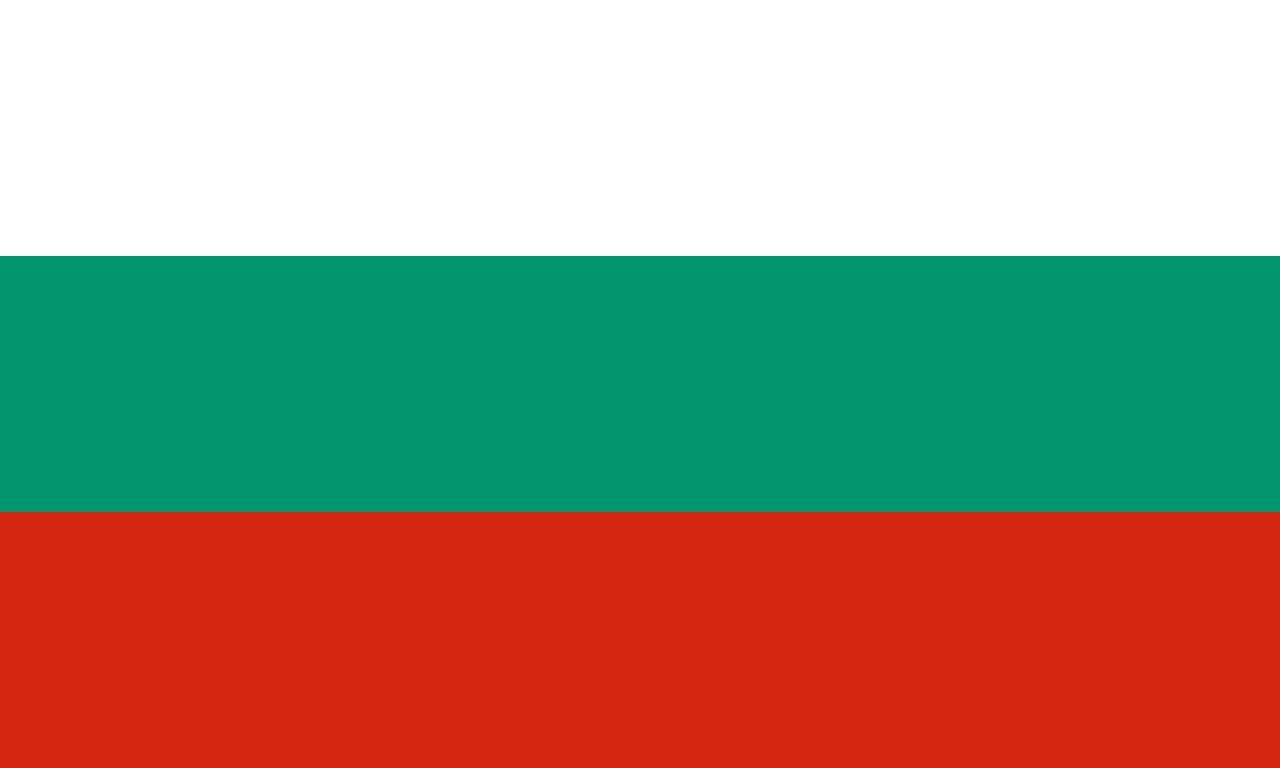
Living in Bulgaria has been a rich and transformative experience for me, intertwining the ancient with the modern and the bustling with the serene. Nestled in Southeast Europe, Bulgaria is a hidden gem, often overshadowed by its more popular neighbors. However, once immersed in its daily life, you discover a vibrant tapestry of traditions, a warmth that envelopes you like a comforting blanket, and an affordability that is hard to find elsewhere in Europe.
Everyday life in Bulgaria can be both familiar and unique. Walking through the streets of Sofia, the capital, you’re greeted by a mix of old-world charm and modernity. The city is alive with the sounds of trams clattering along the tracks, street vendors calling out their wares, and the subtle melodies of local musicians playing in the parks. Mornings often begin with a strong cup of Turkish coffee or chai, the latter being particularly popular during the colder months. You can find a cup for as little as 1 lev (about 0.50 USD), allowing you to savor the ritual without breaking the bank.
Living in Bulgaria is incredibly affordable by Western standards. Rent for a modest one-bedroom apartment in Sofia may range from 600 to 800 lev (roughly 300 to 400 USD). In smaller cities or rural areas, this price drops significantly, making it possible to live comfortably on a modest salary. Utilities, including electricity and water, typically cost around 150 lev monthly, and internet services are both reliable and inexpensive, averaging about 30 lev per month. Groceries, too, are delightfully cheap. A loaf of bread costs around 1 lev, a kilogram of apples about 1.50 lev, and fresh vegetables from local markets are incredibly affordable. This affordability allows for a lifestyle that includes leisure activities, dining out, and travel—luxuries that can feel out of reach in many other European countries.
One of the most cherished aspects of Bulgarian life is its food culture. Meals are a cornerstone of social life, characterized by an abundance of flavors and communal dining. Traditional dishes such as banitsa (a pastry filled with cheese), shopska salad, and sarma (cabbage rolls filled with minced meat and rice) are staples that reflect Bulgaria’s agricultural heritage and Mediterranean influences. On special occasions, a feast might include roasted lamb or a hearty pot of bean soup, often accompanied by rakia, a potent fruit brandy considered a national drink.
Dining out is a delightful experience. A meal at a mid-range restaurant will cost around 20 to 30 lev (10 to 15 USD) per person, and it's common to see families sharing a variety of dishes, reflecting the communal spirit of Bulgarian culture. The phrase “Na zdravе!” (To your health!) is often exchanged as glasses are raised in celebration, whether during a meal, a gathering, or simply a night out with friends.
Social customs in Bulgaria are steeped in tradition, and this is evident in everyday interactions. Handshakes are common upon meeting, but it’s customary to acknowledge close friends with a hug or a kiss on both cheeks. Politeness is essential, and phrases such as “Blagodarya” (Thank you) and “Izvinete” (Excuse me) are frequently used. Bulgarians are known for their hospitality; it’s not uncommon to receive an invitation to share a meal or drink, especially during holidays or celebrations.
Family life is a pillar of Bulgarian society. Families often gather for Sunday lunches, where several generations come together. Children are deeply cherished, and it’s common for grandparents to play a significant role in their upbringing. The concept of "Babushka" (grandmother), while often nostalgic, is very much alive in Bulgaria. Children are expected to be respectful and courteous, showing deference to their elders. Family values are also deeply intertwined with cultural practices—national holidays and traditional celebrations like Baba Marta (the welcoming of spring with red and white yarn bracelets) are observed with great enthusiasm.
Work culture in Bulgaria has its own nuances. The typical workweek runs from Monday to Friday, with business hours generally from 9 AM to 6 PM. While punctuality is appreciated, it’s not as rigidly enforced as in some Western cultures, often leading to a more laid-back atmosphere in the workplace. This flexibility sometimes extends to lunch breaks, where it’s common to take a longer pause to enjoy a meal. In recent years, there has been a notable shift toward remote work, especially in the tech industry, which has brought a newfound sense of freedom and work-life balance for many.
When the workweek ends, the weekends are an opportunity for Bulgarians to unwind and enjoy leisure activities. Many locals take to the mountains, especially during the warmer months, for hiking, picnicking, and socializing with friends. The Rila and Pirin mountain ranges are popular destinations, offering breathtaking views and numerous trails. Weekends often involve barbecues with family and friends, where grilled meats, fresh salads, and lively conversation are the order of the day.
For those who prefer city life, Sofia's vibrant cultural scene is a treasure trove waiting to be explored. The city boasts numerous galleries, theaters, and outdoor festivals throughout the year. Markets come alive during the weekends, and local artisans showcase their crafts—these markets are not just for tourists but are integral to the community fabric, where one can find everything from handmade jewelry to artisanal food products.
The weather in Bulgaria significantly influences daily life. The country experiences four distinct seasons, each bringing its own character. Winters can be harsh, particularly in the mountainous regions, with heavy snowfall and temperatures often dropping below freezing. However, this allows for winter sports and cozy gatherings by the fireplace. On the other hand, summers are typically hot and sunny, perfect for outdoor activities and beach trips along the stunning Black Sea coast. The transitional seasons of spring and autumn are also celebrated for their beauty; spring blossoms bring life, while autumn’s foliage paints the landscape in vibrant hues.
Living in Bulgaria is not without its challenges. Bureaucracy can be daunting, with paperwork and processes that often feel convoluted. Although many Bulgarians speak English, especially in urban areas, language barriers can arise in rural settings. Adapting to local customs and societal norms may take time, especially for newcomers used to different social structures.
However, the positives far outweigh the challenges. The sense of community is palpable, and friendships can develop quickly as locals are often warm and welcoming. The slower pace of life encourages a deeper appreciation for the little things—sunset walks through picturesque villages, evenings spent playing chess in the park, or simply sharing stories over a homemade meal.
One of the biggest surprises for foreigners is the prevalence of traditional customs, even in fast-paced urban settings. For instance, the way Bulgarians celebrate the New Year by performing a custom called “Survakane,” where children go door-to-door with decorated sticks, wishing prosperity and health for the coming year, is a delightful sight that may seem out of place in a modern city. Another surprise is the communal spirit—people genuinely look out for one another, whether it’s helping a neighbor carry groceries or engaging in lively discussions about the issues of the day in local cafés.
In conclusion, living in Bulgaria is a multifaceted experience that encompasses a rich history, a deep sense of community, and a breathtaking natural landscape. From the flavors of its cuisine to the warmth of its people, Bulgaria offers a unique blend of tradition and modernity. Whether you find joy in the bustling streets of Sofia, the tranquility of a rural village, or the stunning landscapes that surround this beautiful country, you will discover that Bulgaria holds a special place in the heart of those who choose to call it home.