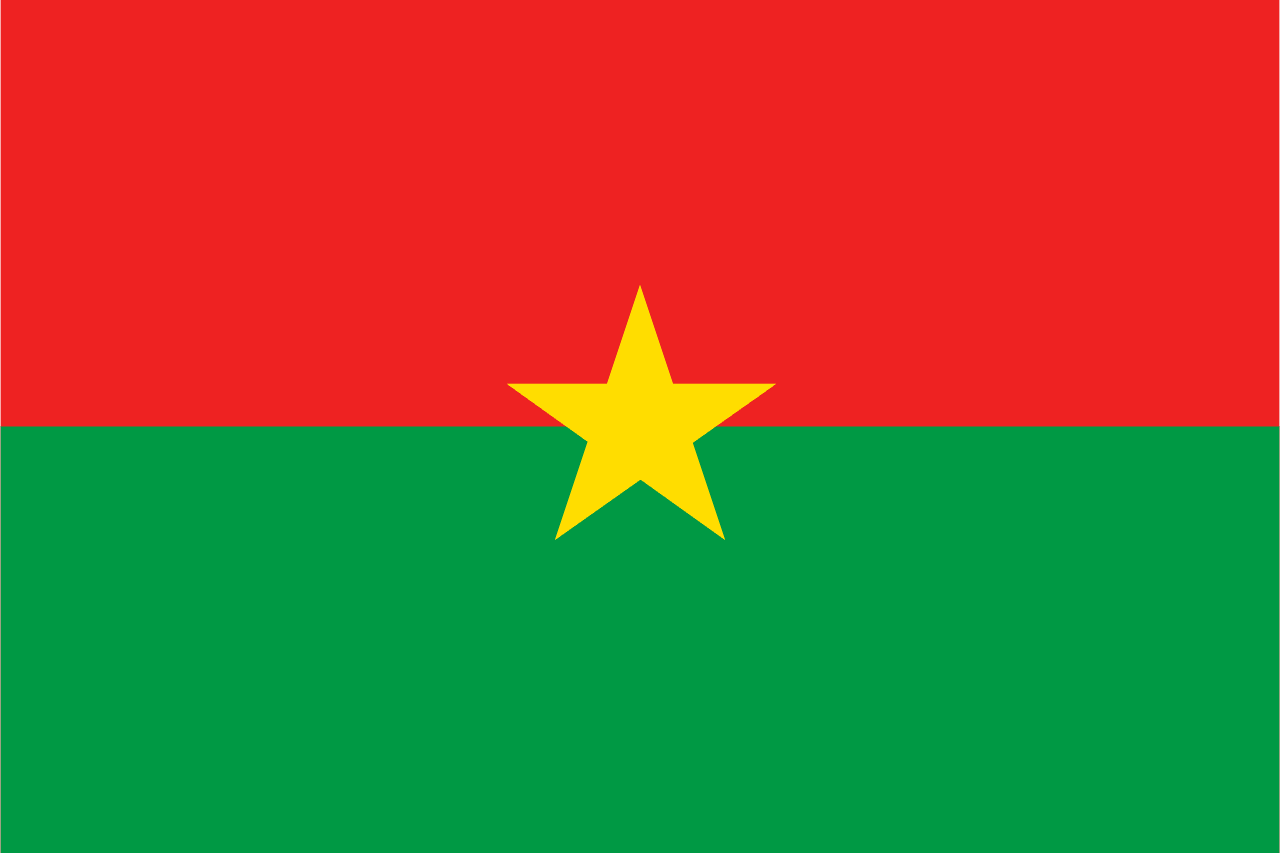
Burkina Faso: The Film Capital of Africa Nobody Talks About
🌐 Translate:
Every two years, Ouagadougou hosts FESPACO — the Pan-African Film and Television Festival of Ouagadougou — the largest film festival in Africa and one of the most significant in the world for cinema from the Global South. Since 1969, filmmakers from across the continent and its diaspora have gathered in Burkina Faso's capital to screen, debate, and celebrate African storytelling. The fact that this happens in one of the world's poorest countries is not an anomaly. It is a statement about what Burkinabè culture prioritises.
The Mossi people, the largest ethnic group in Burkina Faso, built a series of kingdoms in the central plateau from the 11th century onward that resisted both Islam and later European colonisation longer than most surrounding societies. The Mossi nagha — the traditional chief — remains a significant social institution. Traditional authority and modern governance coexist in ways that create genuine complexity. A village dispute may be resolved by both the local mayor and the local chief, in that order or the reverse, depending on its nature.
The name Burkina Faso means Land of Upright People in the Mooré and Dioula languages — a name given by revolutionary leader Thomas Sankara when he renamed the country from Upper Volta in 1984. Sankara's four-year presidency — marked by anti-corruption drives, women's rights campaigns, mass vaccination, and a refusal of foreign aid — made him one of Africa's most beloved revolutionary figures. He was assassinated in 1987. His image appears on walls across the country. He is still being talked about.