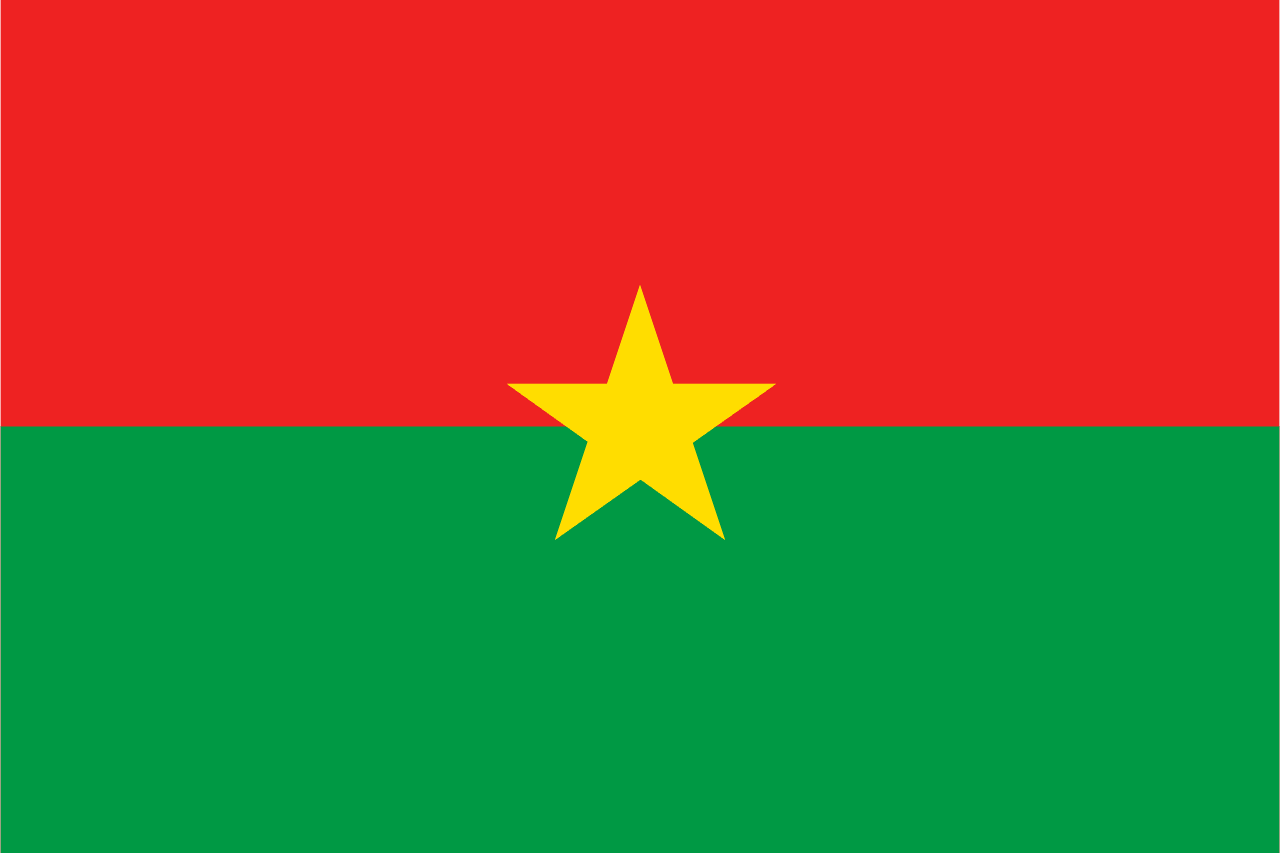
The History of Burkina Faso: From Ancient Times to Today
🌐 Translate:
# The History of Burkina Faso: From Ancient Times to Today
Burkina Faso, a landlocked country nestled in the heart of West Africa, tells a rich tapestry of history woven from indigenous traditions, powerful empires, colonial incursions, and the quest for independence. Its name, which translates to "the land of honest men," reflects the spirit of its people. To understand the present-day nation, we must journey through its past, exploring the ancient times, the rise and fall of kingdoms, the impact of colonialism, and the emergence of a sovereign state.
## Ancient and Indigenous History
Long before the advent of written records, the region that is now Burkina Faso was inhabited by various ethnic groups, each with its own cultural heritage. The first settlers were predominantly hunter-gatherers who gradually transitioned to agricultural societies around 3000 BCE. They cultivated staple crops like millet and sorghum, laying the foundation for permanent settlements.
As centuries passed, the area became a melting pot of ethnicities and languages, primarily the Mossi, who would become one of the dominant groups. The Mossi people established powerful kingdoms, with the most notable being the Kingdom of Ouagadougou. This kingdom, founded by the legendary figure Naba Ouédraogo in the 15th century, served as a central hub for trade and culture. The Mossi rulers, known as Naba, were both political leaders and spiritual figures, revered for their wisdom and connection to ancestral spirits.
The ancient traditions of the Mossi were rich in art, music, and dance, reflecting their connection to the land and spirituality. Folk tales, passed down through generations, provide a glimpse into the lives of these early inhabitants and highlight their values, struggles, and triumphs.
## The Era of Empires
The medieval period saw the rise of several powerful empires in West Africa, deeply impacting the history of Burkina Faso. The most significant of these was the Mali Empire, which flourished from the 13th to 16th centuries. At its zenith, the Mali Empire controlled vast territories and was known for its wealth, especially during the reign of Mansa Musa, whose legendary pilgrimage to Mecca showcased the empire's riches.
While the Mossi kingdoms remained relatively autonomous, they had to navigate the influence of larger empires like Mali and later the Songhai Empire. The trade routes that crisscrossed the region fostered exchanges of goods, culture, and ideas. The bustling markets became melting pots of diversity, where merchants from different backgrounds mingled, and the Islamic faith began to take root among some groups.
By the 18th century, the Mossi kingdoms, particularly Ouagadougou and Tenkodogo, were firmly established, exhibiting a blend of indigenous beliefs and Islamic practices. The Mossi elite, eager to consolidate power and influence, engaged in both warfare and diplomacy with neighboring states, carving out their own niche in West African history.
## The Colonial Period: Struggle and Resistance
The 19th century marked a significant turning point for Burkina Faso as European powers began to scramble for control of Africa. In 1896, France, seeking to expand its colonial empire, initiated military campaigns against the Mossi kingdoms. Led by the ambitious General Louis Archinard, these forces faced fierce resistance from the Mossi warriors, who fought valiantly to defend their territory. Despite their bravery, the military might of the French ultimately prevailed, and by 1919, the region was officially annexed as part of French West Africa.
The colonial era brought profound changes to Burkina Faso. The French imposed new administrative structures, transforming the political landscape. They introduced cash crops, such as cotton and groundnuts, which altered the economic fabric of the society. While some individuals prospered, many were forced into labor under harsh conditions. The colonial government also attempted to impose a Western education system, which often marginalized indigenous languages and cultures.
Yet, resistance to colonial rule simmered beneath the surface. A notable figure during this period was the Mossi leader, Naba Koom II, who organized uprisings against the French in the 1930s. Although these movements were met with brutal repression, they laid the groundwork for future generations to challenge colonial rule.
## The Road to Independence
After World War II, a wave of independence movements surged across Africa, fueled by a desire for self-determination and the end of colonial oppression. In Burkina Faso, the struggle for independence gained momentum, with young intellectuals and activists rising to the forefront of the movement. Among them was the influential leader Maurice Yaméogo, who became a prominent figure in advocating for political and social rights.
In 1958, under growing pressure from nationalist movements, France granted limited autonomy to Burkina Faso, then known as Upper Volta. This pivotal moment allowed for the establishment of a local government and a semblance of self-governance. The following year, on August 5, 1960, Upper Volta achieved full independence, with Yaméogo becoming the country’s first president.
However, the early years of independence were fraught with challenges. Economic struggles, political instability, and ethnic tensions plagued the young nation. Yaméogo's government faced criticism for its authoritarian tendencies, leading to widespread discontent among the populace.
## A Nation Transformed: The Revolution of 1983
The tide of discontent culminated in a dramatic coup in 1983, led by a charismatic young officer named Thomas Sankara. Often referred to as "Africa's Che Guevara," Sankara became the face of a revolutionary movement that sought to transform Burkina Faso into a model of self-reliance and progress. Upon taking power, he adopted sweeping reforms aimed at eradicating poverty, improving education, and promoting women's rights.
Sankara's government emphasized grassroots participation and sought to empower the marginalized. He launched ambitious programs for health care, education, and agricultural development, campaigning for a national identity rooted in African values. His policies were met with both admiration and criticism, as many hailed his vision while others viewed his radical approach as divisive.
Sankara's tenure, however, was cut short in 1987 when he was assassinated in a coup orchestrated by his former ally, Blaise Compaoré. Compaoré’s rise to power marked a new chapter in Burkina Faso’s history, as he shifted the focus away from Sankara's revolutionary ideals, ultimately leading the country into a more authoritarian regime.
## Modern Burkina Faso: Challenges and Resilience
Blaise Compaoré's rule lasted for 27 years, during which Burkina Faso experienced periods of relative stability and economic growth. However, discontent simmered beneath the surface as corruption and human rights abuses became rampant. The Arab Spring in 2011 ignited a wave of protests across the country, fueled by demands for political reform and greater accountability.
In 2014, longstanding frustrations erupted into widespread protests against Compaoré’s attempt to extend his presidency. The people of Burkina Faso took to the streets, demanding change. Ultimately, Compaoré was forced to flee, marking a significant turning point in the nation’s history.
In the aftermath of Compaoré's departure, Burkina Faso embarked on a tumultuous path toward democracy. A transitional government was established, laying the groundwork for elections in 2015. Roch Marc Christian Kaboré emerged as the country’s new president, emphasizing a commitment to national unity and reform.
However, the years since have not been without challenges. Burkina Faso has faced escalating security concerns, particularly from extremist groups linked to Al-Qaeda and ISIS, leading to violence and displacement. Yet, through it all, the resilience of the Burkinabè people shines through. They continue to work toward a future marked by stability, democracy, and economic opportunity.
## Conclusion
The history of Burkina Faso is a testament to the enduring spirit of its people, shaped by centuries of resilience, resistance, and transformation. From ancient kingdoms to colonial struggles, and from revolutionary fervor to contemporary challenges, the narrative of Burkina Faso is one of survival against the odds.
Today, as the nation grapples with both old and new challenges, it remains a place of rich cultural heritage and untapped potential. The legacy of figures like Thomas Sankara and the collective memory of the Burkinabè people fuel a vision for a brighter future, one where honesty, integrity, and hope prevail in the land of honest men. As Burkina Faso continues to carve its path in the modern world, its history serves as both a guide and a reminder of the strength that lies within its people.