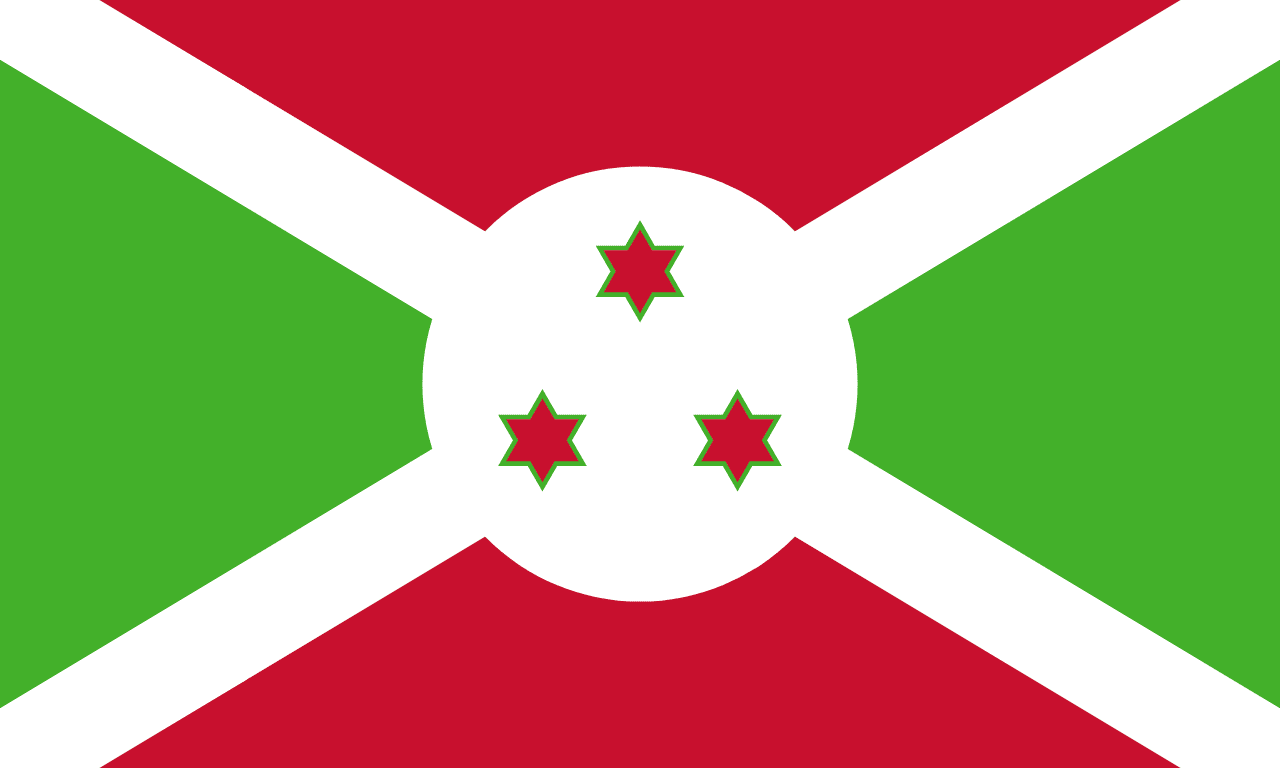
Burundi is one of the smallest and least visited countries in Africa — a landlocked nation of steep hills, banana groves, and the vast blue expanse of Lake Tanganyika on its western edge. Bordered by Rwanda to the north, Tanzania to the east and south, and the Democratic Republic of Congo to the west, Burundi occupies the southern end of the Albertine Rift Valley in the heart of the African Great Lakes region. Its landscape is dramatic and largely agricultural, with almost every hill terraced and cultivated by a rural population that depends deeply on the land.
Lake Tanganyika is Burundi's most extraordinary natural feature. The second deepest lake in the world at 1,470 metres and the longest freshwater lake on earth, it holds an estimated eighteen percent of the world's unfrozen surface freshwater. More than eight hundred species of fish — the majority found nowhere else — live in its ancient waters. The lake's clarity at depth is remarkable; visibility reaches thirty metres in places, making it a genuinely special scuba diving and snorkelling destination. Bujumbura, the economic capital and largest city, sits on the northeastern shore, its waterfront promenade, beach clubs, and restaurants a surprisingly lively backdrop to the lake's immense serenity.
The Kibira National Park in the northwest is the largest remaining tropical rainforest in Burundi — a highland cloud forest that shelters chimpanzees, olive baboons, and over two hundred bird species. Tracking chimpanzees through the Kibira's dense vegetation, with mist moving through the canopy and the calls of birds filling the early morning, is an experience that matches anything in the Great Lakes region. The Rumonge Nature Reserve on the lake shore offers access to more forest and the possibility of combining chimp tracking with lake-side relaxation.
Burundian culture is defined by the extraordinary Royal Drummers of Burundi — an ensemble of male drummers who perform on tall intore drums in a ceremony of athletic intensity and musical power that UNESCO has recognised as an Intangible Cultural Heritage. Performances at Gitega, the political capital in the interior, and at cultural events throughout the country, are a profound encounter with a living performance tradition.
Burundian food is simple and wholesome — beans, sweet potato, cassava, banana beer (urwarwa), and grilled fish from the lake are the staples of daily life.
June through August is the dry season. Burundi rewards those with genuine curiosity and patience with a warmth and beauty that its difficult history has not diminished.