Cambodia's Remarkable Recovery: From Ruins to Renaissance
🌐 Translate:
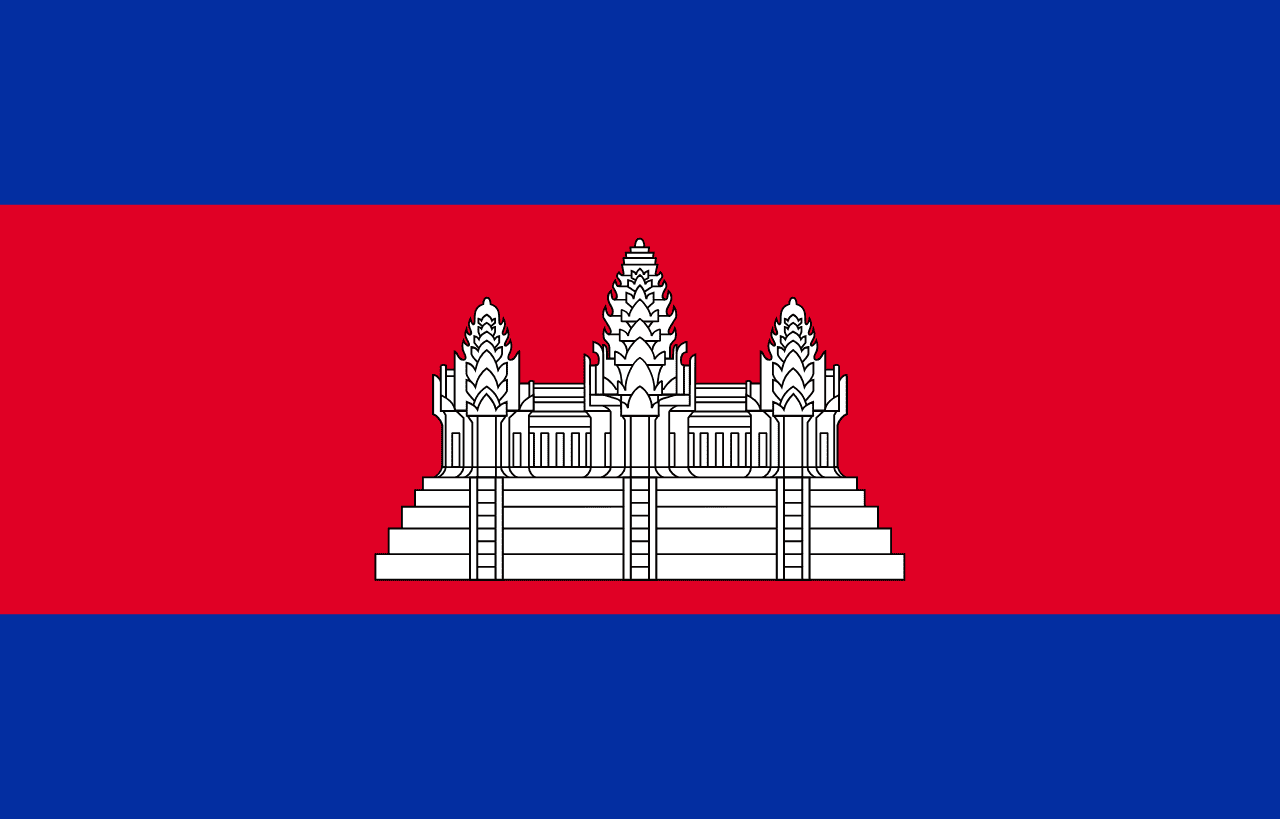
Angkor Wat is the largest religious monument ever constructed — a 12th-century temple complex covering 162.6 hectares, built by the Khmer Empire at the height of its power. The Khmer Empire at its peak controlled most of mainland Southeast Asia. Angkor, the capital, may have been the largest pre-industrial city on earth, supporting a population of over a million people through an extraordinary hydraulic system of reservoirs and canals. Walking through the temples today, surrounded by jungle reclaiming the stonework, is to encounter the physical evidence of a civilisation of extraordinary ambition.
What makes Cambodia's story particularly striking is the distance between that ancient height and the recent catastrophe. The Khmer Rouge, which governed from 1975 to 1979, killed between 1.5 and 2 million people — roughly a quarter of the population — in one of the 20th century's worst genocides. The educated, the professional, the urban were specifically targeted. Cambodia lost a generation.
The recovery has been real and hard-won. Cambodian cuisine — a sophisticated tradition with French colonial overlays, built on aromatic herbs, fermented fish paste, and complex soups — is receiving international recognition. Cambodian contemporary art, long suppressed, has returned with intensity. The younger generation, too young to remember the Khmer Rouge, is building a Cambodia that tries to hold its ancient pride and its recent trauma simultaneously, without pretending either one is not there.