The History of Cambodia: From Ancient Times to Today
🌐 Translate:
# The History of Cambodia: From Ancient Times to Today
Nestled in the heart of Southeast Asia, Cambodia is a land of rich culture and deep history, a tapestry woven from the threads of ancient empires, colonial struggles, and modern resilience. From the majestic temples of Angkor to the bustling streets of Phnom Penh, the story of Cambodia is a reflection of its people—enduring, vibrant, and ever-evolving. Let us embark on a journey through the ages, exploring the key epochs that have shaped this remarkable nation.
## The Dawn of Civilization: Ancient and Indigenous History
Long before the rise of empires, the land that is now Cambodia was inhabited by indigenous peoples whose roots trace back thousands of years. Archaeological evidence suggests that communities were settled in the region as early as 4000 BCE, primarily engaging in hunting, gathering, and early forms of agriculture. The fertile plains of the Mekong River and the Tonle Sap Lake provided sustenance, allowing these early inhabitants to thrive.
By the first millennium CE, the region began to witness significant cultural and economic developments. Trade routes traversing Southeast Asia linked Cambodia to neighboring cultures, including Indian and Chinese civilizations. These interactions introduced new agricultural techniques, religious beliefs, and artistic inspirations that would lay the groundwork for the rise of powerful kingdoms.
## The Khmer Empire: A Golden Age of Culture and Architecture
The crowning jewel of Cambodian history is undoubtedly the rise of the Khmer Empire, which flourished from the 9th to the 15th centuries. Founded by Jayavarman II in 802 CE, the empire expanded its influence across present-day Cambodia, Thailand, Laos, and Vietnam. Under the reign of successive monarchs, the Khmer Empire became one of the most advanced civilizations in the world.
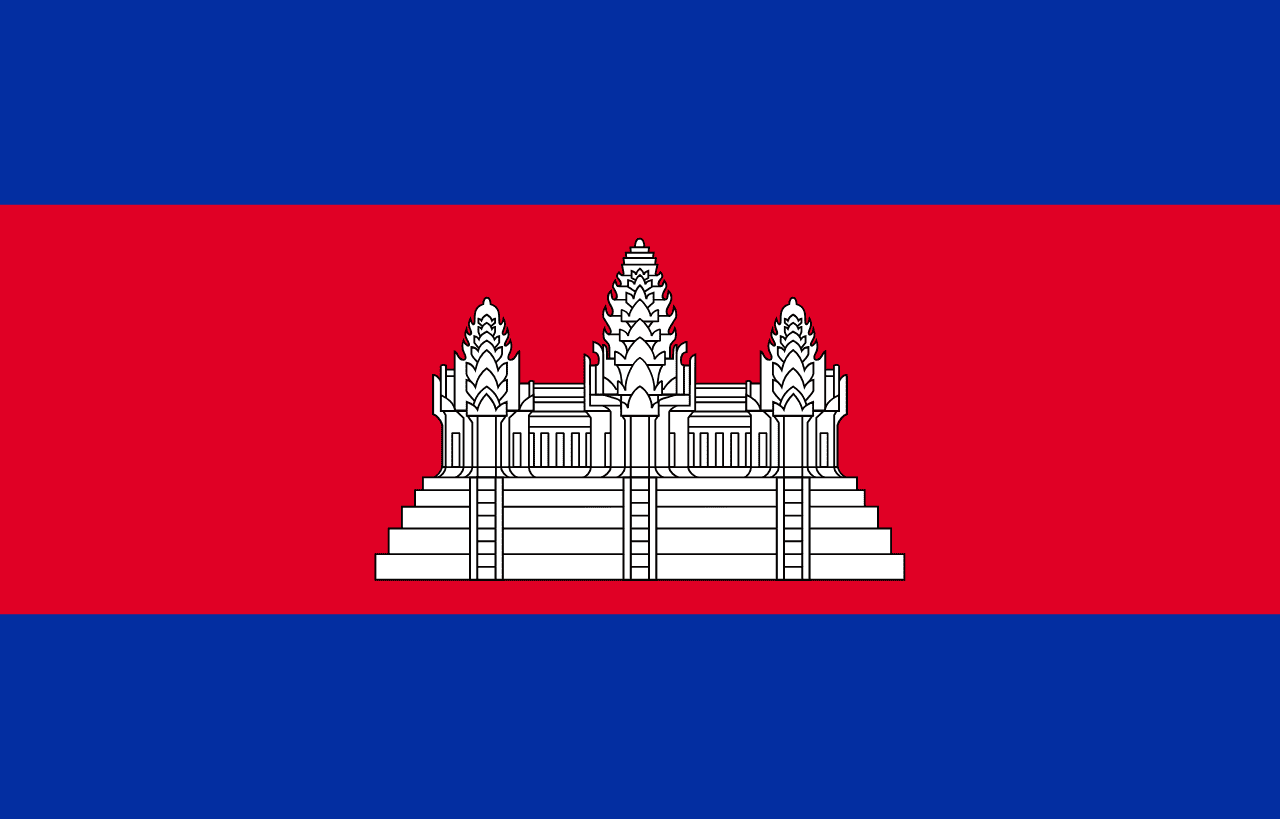
One of the most significant achievements of this era was the construction of the magnificent temple complex known as Angkor Wat. Originally built as a Hindu temple dedicated to the god Vishnu, it eventually transformed into a Buddhist site as the empire's religious focus shifted. Angkor Wat stands as a testament to the architectural prowess of the Khmer people, featuring intricate bas-reliefs and a harmonious design that encapsulates the empire’s spiritual and artistic aspirations.
During the height of the empire, a sophisticated administrative system emerged, characterized by advances in irrigation and agriculture that supported a growing population. The Khmer capital, Angkor, became a bustling urban center, teeming with life and commerce. Trade flourished, connecting the empire to distant lands and enabling it to prosper.
Despite its grandeur, the Khmer Empire faced challenges, particularly from neighboring kingdoms and environmental crises. The decline of the empire began in the 13th century, marked by internal strife and external invasions. By the 15th century, Angkor was abandoned as the capital, leading to a significant cultural shift and the emergence of new centers of power.
## The Colonial Period: A Struggle for Identity
The 19th century marked a tumultuous period for Cambodia as it fell under the shadow of colonialism. In 1863, King Norodom I, seeking protection against encroaching Thai and Vietnamese forces, signed a treaty with France that effectively made Cambodia a French protectorate. This move, initially designed to preserve the sovereignty of the nation, ultimately led to a loss of autonomy and an influx of French control over Cambodian affairs.
Under French rule, Cambodia experienced significant changes. The colonial government invested in infrastructure, constructing roads, railways, and schools—albeit primarily to serve colonial interests. French cultural influences permeated Cambodian society, leading to a blend of traditional and Western practices. However, this period also witnessed the suppression of Khmer identity, as the French sought to impose their language and culture.
Despite these challenges, the 20th century brought a resurgence of nationalism, fueled by a growing awareness of self-determination among the Cambodian populace. The seeds of resistance were sown, culminating in the formation of political movements aimed at reclaiming the nation's identity and sovereignty.
## Independence and the Rise of the Khmer Rouge
The tides began to turn during World War II when Japan occupied Cambodia, momentarily displacing French control. After the war, a wave of decolonization swept across Asia, and Cambodians fervently sought independence. In 1953, under the leadership of King Norodom Sihanouk, Cambodia finally gained its independence from France, ushering in a new era of hope and possibility.
Sihanouk's reign was marked by a vision for a neutral and independent Cambodia, seeking a balance between the Cold War powers. However, political tensions grew, and by the late 1960s, civil unrest erupted in the country. Amidst this turmoil, the Khmer Rouge, a radical communist movement led by Pol Pot, began to rise. In 1975, they seized power and embarked on a horrific campaign to transform Cambodia into an agrarian utopia.
The Khmer Rouge's reign was characterized by brutality, forced labor, and mass executions. Between 1975 and 1979, it is estimated that nearly two million Cambodians—around a quarter of the population—perished from starvation, overwork, and systematic extermination. The regime sought to eradicate intellectualism, religion, and anything associated with the "old Cambodia." The infamous S-21 prison, now the Tuol Sleng Genocide Museum, stands as a haunting reminder of this dark chapter in Cambodian history.
## The Aftermath and Path to Recovery
The fall of the Khmer Rouge in 1979 came with the invasion of Vietnam, leading to a protracted period of instability as various factions vied for power. A United Nations-sponsored peace agreement in the early 1990s finally opened the door to a more stable political environment. In 1993, Cambodia held its first democratic elections, leading to the establishment of a constitutional monarchy under King Norodom Sihanouk.
However, the road to recovery has not been without challenges. Political turmoil and corruption have persisted, contributing to a complex socio-economic landscape. Despite these struggles, Cambodia has made remarkable strides in recent years. The tourism industry, fueled by the allure of Angkor Wat and the resurgence of cultural identity, has become a vital part of the economy.
Today, Cambodia is a nation balancing the weight of its past with the aspirations of its future. The resilience of its people, who have faced monumental adversity, is evident in their vibrant culture, rich traditions, and thirst for progress. New generations are embracing education and technology, fostering a spirit of innovation that promises to propel Cambodia into the 21st century.
## The Cambodia of Today: A Blend of Tradition and Modernity
The spirit of Cambodia is alive and well in its modern cities and rural communities. Phnom Penh, the bustling capital, is a mosaic of old and new. Traditional markets coalesce with modern cafes, and ancient temples coexist alongside contemporary architecture. The Cambodian people celebrate their cultural heritage through festivals, dance, and art, ensuring that the stories of their ancestors continue to be told.
In the midst of this cultural revival, challenges remain. Cambodia grapples with issues of poverty, environmental sustainability, and political freedom. Yet, grassroots organizations and a burgeoning civil society are working tirelessly to address these concerns, advocating for social change and participation in the democratic process.
As Cambodia strides forward, the echoes of its past serve as both a reminder and an inspiration. The resilience of the Khmer people, who have endured through the ages, fuels a commitment to build a brighter future. The journey is far from complete, but it is one filled with hope, strength, and the unwavering spirit of a nation that continues to rise.
## Conclusion
From the splendor of the Khmer Empire to the horrors of the Khmer Rouge, Cambodia's history is a testament to the resilience of its people. The journey through time reveals a nation rich in culture, steeped in tradition, and driven by the desire for progress. As Cambodia navigates the complexities of modernity, it remains a land of potential and promise, where the past informs the present and shapes the future.
Whether exploring the ancient temples of Angkor, tasting the flavors of Cambodian cuisine, or engaging with its warm and welcoming people, one cannot help but feel the pulse of a nation that has weathered storms and emerged with a renewed sense of identity and purpose. Cambodia is not just a destination; it is a story—a story that continues to unfold with each passing day.