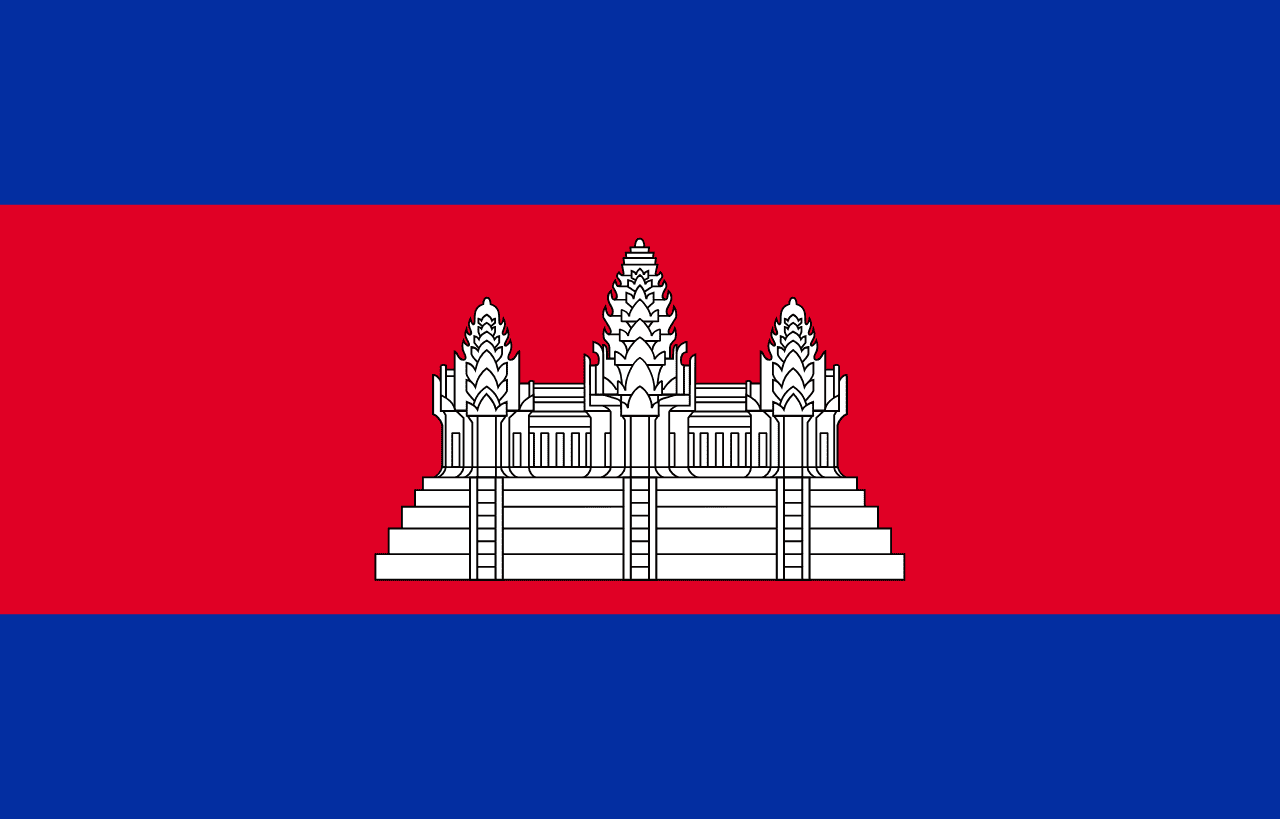
What It's Really Like to Live in Cambodia
Living in Cambodia is an experience that profoundly shapes your understanding of culture, community, and the intricate rhythm of daily life. While many people envision the country through the lens of its iconic temples or the haunting history of the Khmer Rouge, the everyday reality is a rich tapestry of vibrant traditions, resilient people, and a way of life that celebrates both simplicity and joy. After residing in this beautiful Southeast Asian nation for several years, I find myself constantly enchanted by its nuances, and I would love to share what daily life looks like here.
Each day begins early in Cambodia, often with the sun rising around 5:30 AM. The country’s tropical climate means that mornings are warm and inviting, perfect for a stroll before the heat of the day sets in. As I step out of my modest home in Phnom Penh, the capital city, I am greeted by the sounds of the bustling street markets coming to life. Local vendors set up their stalls, displaying an array of fresh fruits, vegetables, and breakfast items. It’s not unusual to see a line for “bai sach chrouk,” a popular breakfast dish consisting of marinated pork served over rice, often accompanied by pickled vegetables. A generous serving costs only about $1.50, making it an affordable and delicious way to start the day.
The cost of living in Cambodia is astonishingly low compared to Western standards. Renting an apartment in the capital can range from $200 to $600, depending on the location and amenities, while basic groceries can be obtained for just a few dollars a week. Eating out is an integral part of life here, and a meal at a local restaurant typically costs between $2 to $5. However, the experience is not just about the food; it’s about the atmosphere and the people who gather around the tables. I find that meals often become an occasion for connection, laughter, and storytelling, reflecting the communal spirit that thrives in Cambodian culture.
Food is not just sustenance; it’s a cultural cornerstone. Traditional dishes such as “amok” (a fragrant curry made with coconut milk, fish, and spices) and “lok lak” (stir-fried beef served with a tangy dipping sauce) are staples that carry deep historical roots. Street food is an adventure in itself. I remember the first time I tried “num banh chok,” a beloved rice noodle dish served with a rich green curry made from lemongrass and fish, topped with an assortment of fresh herbs and vegetables. The culinary diversity here is splendid, and there are always new flavors to explore.
Social customs in Cambodia are deeply influenced by Buddhist principles, which permeate everyday life. Respect is paramount, particularly towards the elderly, and greetings often involve a slight bow or the traditional “sampeah,” where palms are pressed together in a gesture of respect. Cambodians are inherently warm and welcoming, and I quickly learned the importance of politeness. A simple “chom reap suor” (hello) and “orphoon” (thank you) can elicit a smile and help forge connections with locals.
Family life holds a central place in Cambodian culture. Most families are extended, living together or in close proximity, often consisting of grandparents, parents, children, and sometimes even cousins. Social gatherings around food are common, especially during festivals like Khmer New Year, when families come together to celebrate with traditional games, dances, and elaborate feasts. The bond within families is strong, and it’s not unusual to see children helping their parents at markets or engaging in community activities.
Work culture in Cambodia presents its own unique challenges and rewards. The economy is rapidly growing, yet it still faces hurdles such as corruption and underemployment. Many locals work in agriculture, while others have shifted towards tourism and services. The average salary for a Cambodian worker is around $150 to $300 per month, which can be tough to navigate in urban centers where the cost of living is rising. In my experience working with local NGOs, I’ve encountered passionate individuals dedicated to their fields, often working long hours for minimal pay. The work ethic is commendable, and the desire to improve their community is palpable.
As the weekend approaches, the hustle and bustle of the week gives way to a more relaxed pace. Cambodians cherish their leisure time, often spending it at local parks, riversides, or visiting friends and family. The popular riverside area in Phnom Penh becomes alive with families enjoying picnics or indulging in street food from the numerous vendors lining the promenade. I’ve often joined friends for a leisurely afternoon of “bong khen” (a traditional game of kicking a weighted bamboo ball) or simply people-watching as the sunset paints the sky with hues of orange and pink.
The weather in Cambodia is a significant factor that shapes life here. The country experiences a tropical monsoon climate, with distinct wet and dry seasons. The dry season from November to April brings lower humidity and cooler temperatures, making it the most comfortable time to explore the country. However, the wet season, characterized by heavy rains from May to October, can turn streets into rivers, sometimes disrupting daily life. Despite the challenges, rain is often welcomed, cooling the sweltering heat and nourishing the lush landscapes. Locals have adapted beautifully, often embracing the rain with laughter, riding scooters through puddles, or sheltering under umbrellas while continuing their daily activities.
Living in Cambodia comes with its share of challenges. Infrastructure is still developing, and while urban centers are bustling with activity, rural areas can be quite different, often lacking basic services. The healthcare system, though improving, can be insufficient, especially for more serious medical needs. Corruption remains a concern, affecting various aspects of daily life. However, these challenges are often balanced by the resilience and positivity of the Cambodian people. Their ability to find joy in the simplest of moments—be it a shared meal, a friendly chat, or a community event—reminds us that happiness can often flourish amid adversity.
For many foreigners, the experience of living in Cambodia can be eye-opening, and certain aspects often surprise them. The pace of life is much slower than in Western countries, and the concept of time is fluid. People often arrive late, and deadlines can sometimes be seen as mere suggestions. This relaxed attitude can be bewildering at first, particularly for those from more punctual cultures, but I’ve come to appreciate this laid-back approach. The emphasis on relationships over rigid schedules encourages deeper connections and a more profound understanding of one another.
Another delightful surprise is the generosity of spirit among Cambodians. Whether through sharing food, offering a helping hand, or simply engaging in a friendly conversation, the willingness to connect is abundant. I’ve made friendships with locals that transcend language barriers, often relying on gestures, laughter, and shared experiences.
In conclusion, living in Cambodia is a multifaceted experience that offers both challenges and immense rewards. Daily life is infused with rich traditions, delicious food, and a sense of community that is hard to replicate. While there are hurdles to navigate, the warmth of the people, the vibrant culture, and the beauty of the landscapes make every moment worthwhile. For those willing to embrace the chaos, the joy, and the unexpected, Cambodia becomes a home that captures the heart. It’s a place where every day unfolds like a tapestry, woven with threads of resilience, joy, and connection—a place that leaves an indelible mark on those fortunate enough to call it home.