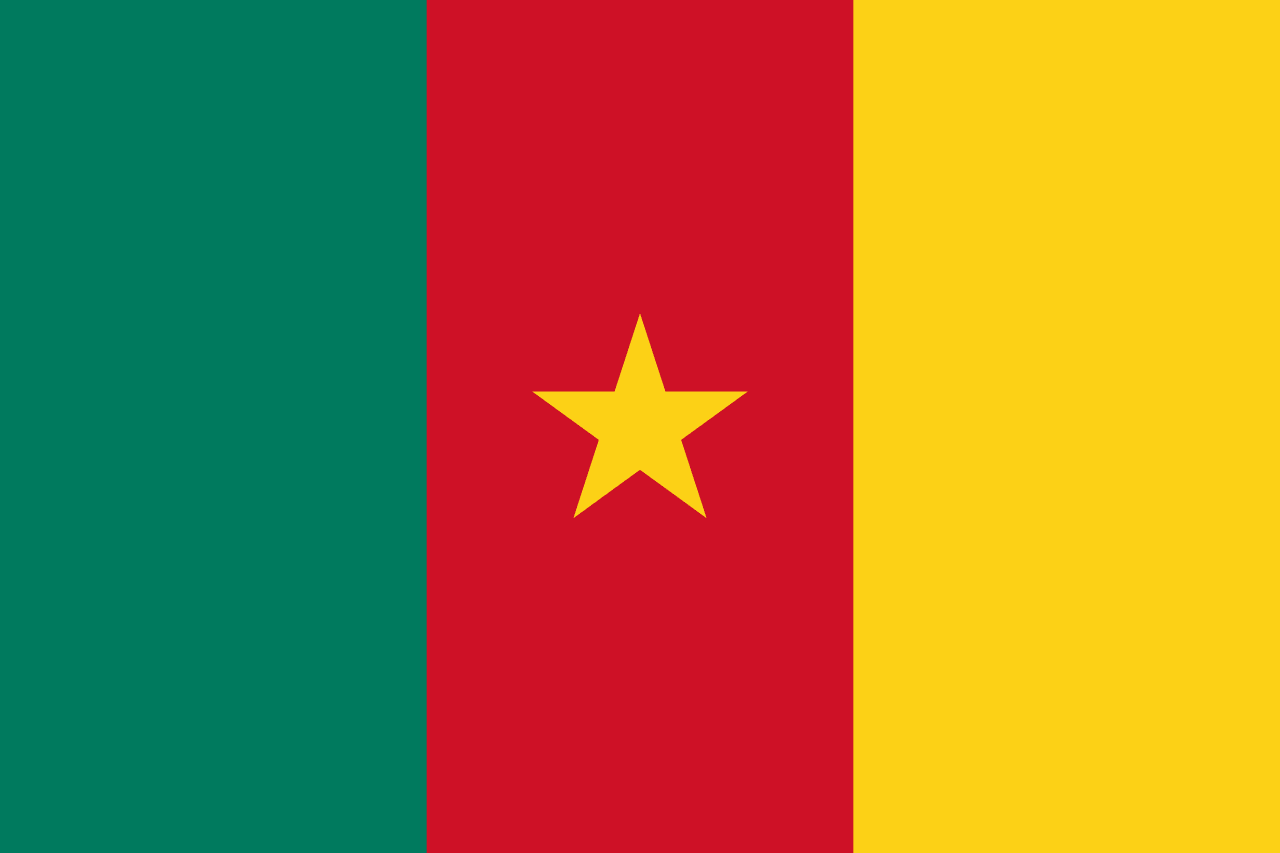
As I wandered through the vibrant streets of Yaoundé, the capital of Cameroon, I was engulfed by an explosion of scents and colors that danced in the air. From the sizzle of savory stews to the fragrant wafts of spices mingling with fresh vegetables, the culinary culture of Cameroon is as diverse and rich as its landscape. With over 250 ethnic groups, each with their own customs, flavors, and cooking techniques, the food of Cameroon is a tapestry woven from its history and culture. Every dish tells a story, every meal is a celebration, and every bite is a journey into the heart of this remarkable country. Let me take you on a delightful adventure through ten must-try dishes that exemplify the essence of Cameroonian cuisine.
First on our culinary exploration is **Ndole**, a beloved dish that showcases the rich flavors of the South West region. This hearty stew is made from bitter leaves, often paired with groundnuts (peanuts) and sometimes enriched with shrimp, fish, or beef. The bitterness of the leaves is beautifully balanced by the nutty sweetness of the groundnuts, creating a comforting dish that is a staple in many households. I found myself enjoying Ndole at a bustling local market in Limbe, where it was served with a side of plantains. As I savored each bite, the locals shared stories about how Ndole is often prepared during special occasions, like weddings and family gatherings, making it not just a meal but a symbol of unity and celebration.
Next, we venture into the world of **Jollof Rice**, a dish that has become a hallmark of West African cuisine, and Cameroon has its own unique take on this classic. Cameroonian Jollof Rice is typically made with long-grain rice, tomatoes, onions, and a medley of spices that create a punchy, aromatic flavor. The dish is often accompanied by grilled chicken or fried plantains, and the version I tried at a roadside stall in Douala was nothing short of divine. The vibrant red hue of the rice, kissed by the perfect balance of spices, filled the air with a tantalizing scent. Jollof Rice is often a star at celebrations, and as I chatted with the vendor, I learned that the friendly rivalry between families over whose Jollof is the best is a cherished tradition.
Moving on, let’s dive into the comforting embrace of **Eru.** This traditional dish is made with Eru leaves (a type of green vegetable) and often cooked with beef or fish, along with a rich blend of spices. The dish has a thick, almost porridge-like consistency and is typically served with fufu, a starchy side made from cassava or plantains. The earthy, slightly nutty flavor of Eru was captivating, and I relished it at a family-run restaurant in Buea, where the owner shared that Eru is often cooked on Sundays as a special family meal, signifying rest and togetherness.
Another must-try is **Koki**, a dish that truly represents the resourcefulness of Cameroonian cuisine. Made from steamed ground black-eyed peas, Koki is often flavored with palm oil and spices, giving it a vibrant orange color. The dish is typically shaped into small cakes and served with a variety of accompaniments, like fried fish or spicy sauces. I remember my first bite of Koki at a street food vendor in Yaoundé—each cake was soft, with a delightful texture that melted in my mouth. The vendor proudly explained that Koki is often served at celebrations, and it holds a special place in the hearts of many, reminiscent of Sunday family meals and community gatherings.
As we continue our gastronomic journey, we cannot overlook the iconic **Pepper Soup.** This spicy broth comes in various regional variations, with ingredients ranging from fish to chicken, and is always infused with a blend of bold spices like ginger, garlic, and chili. The version I enjoyed in a small eatery in Garoua was made with fresh fish, and the simmering spices created an aromatic steam that enveloped me as I eagerly took my first sip. The warmth and heat of the soup were invigorating, and locals often enjoy it as a remedy during cold weather or when feeling under the weather, making it a comforting staple in many households.
Next, we embrace the delightful **Gari Fortor**, a dish that combines fried cassava flour with a rich tomato and onion sauce. The simplicity of Gari Fortor is its beauty, and the textures of the crispy gari combined with the saucy topping create an enjoyable contrast. I discovered Gari Fortor in a bustling market in Bamenda, where it was served with spicy grilled beef. The vendor explained how this dish is often prepared for quick lunches and gatherings, showcasing the ingenuity of turning simple ingredients into an exquisite meal.
Let’s not forget **Bongo Chobi**, a traditional dish that is a culinary gem of the Littoral region. This dish features fish cooked with a savory blend of spices, tomatoes, and sometimes even vegetables, and is typically served with rice or plantains. During my stay in Douala, I visited a well-known seafood restaurant where the Bongo Chobi was prepared with freshly caught fish, and each mouthful was a flavor explosion that spoke to the coastal heritage of the area. The dish is often a favorite for special occasions, and chatting with the chef revealed how the recipe has been passed down through generations, preserving the legacy of the coastal communities.
Another cherished dish is **Fufu and Ekwang**, a combination that represents the culinary traditions of the Bantu people. Fufu, a starchy side made from cassava or cocoyam, is paired with Ekwang, a rich dish made from grated cocoyam wrapped in leaves and cooked in a spicy, aromatic sauce. I had the pleasure of tasting this dish at a family gathering in a small village, where everyone came together to prepare the meal. Sharing Fufu and Ekwang in such a setting felt like a rite of passage, an experience steeped in cultural significance. As I dipped my pieces of fufu into the vibrant sauce, I marveled at how food can bring people together, transcending language and age.
Finally, we arrive at the dessert table with **Miondo**, a popular sweet treat made from steamed cassava dough that is often served with groundnut paste or sugar. I found Miondo at a street vendor in Yaoundé, where the sweet aroma wafted through the air, drawing me in. The soft, pillowy texture combined with the nutty flavor of the groundnuts created a delightful snack that perfectly rounded off my meals. It’s often enjoyed during family gatherings or shared as a snack with friends, and as I took a bite, I couldn't help but smile at the simple joys that food brings to life.
As I reflect on my culinary adventure through Cameroon, I can confidently say that the best way to discover the country’s food scene is to immerse yourself in local markets, bustling street stalls, and family-run restaurants. From the vibrant spice markets in Douala to the lively food stalls in Yaoundé, each place offers a unique taste of Cameroonian culture. Whether you’re savoring a steaming bowl of Pepper Soup on a rainy day or sharing Ndole with friends at a family gathering, the warmth, flavor, and passion of Cameroonian cuisine will leave a lasting impression on your palate and heart. So, pack your bags and embark on a journey to savor the incredible flavors of Cameroon—you won’t be disappointed!