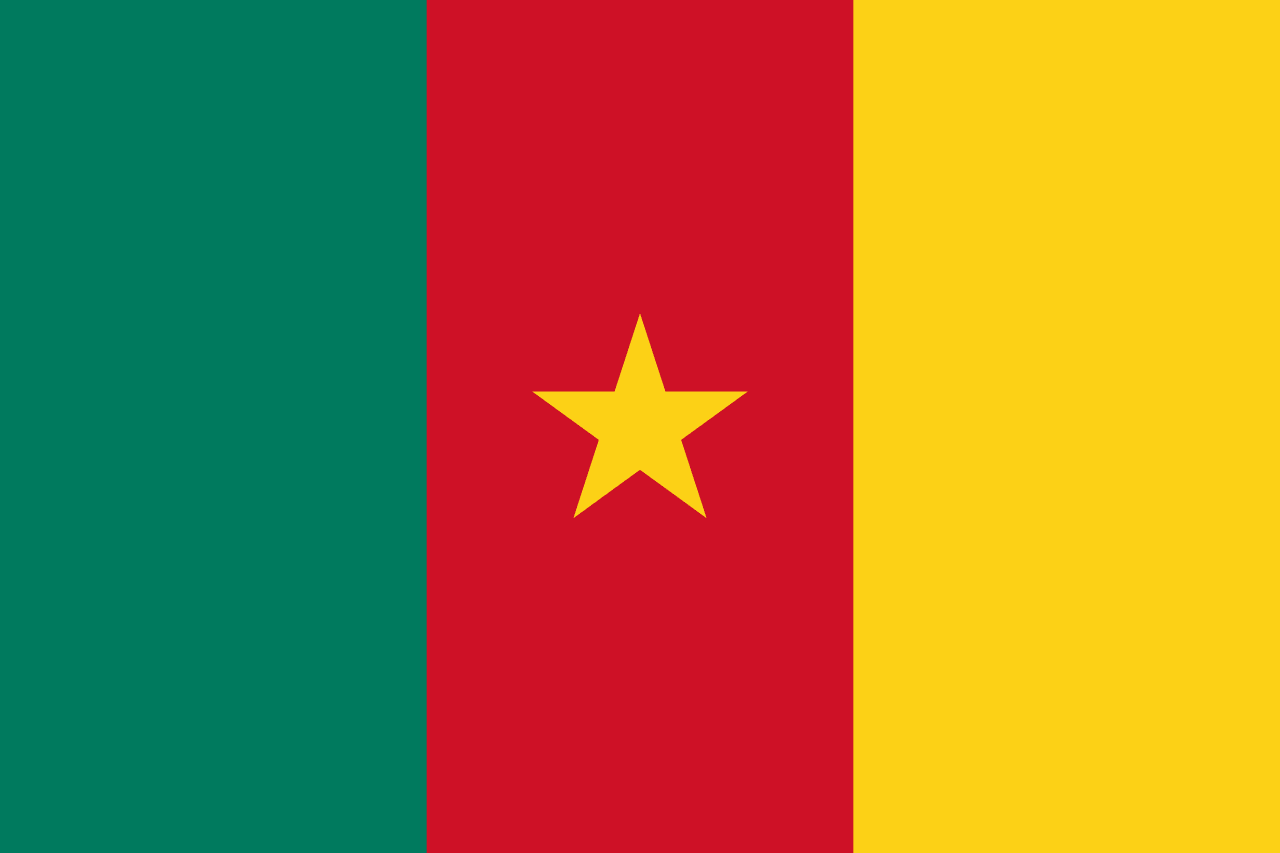
The History of Cameroon: From Ancient Times to Today
🌐 Translate:
# The History of Cameroon: From Ancient Times to Today
Nestled at the crossroads of West and Central Africa, Cameroon is a nation rich in cultural diversity, natural beauty, and historical significance. With its sprawling savannas, dense forests, and towering mountains, the terrain is as varied as the peoples and cultures that have inhabited it over the centuries. To understand Cameroon’s present, one must journey through time, exploring the ancient roots, the rise of empires, colonial struggles, the path to independence, and the modern challenges and triumphs that define this vibrant nation today.
## Ancient and Indigenous History
Long before the advent of European explorers, the land that is now Cameroon was inhabited by various indigenous peoples. Archaeological evidence suggests that humans have lived in the region for tens of thousands of years. The oldest known site, found in the town of Nkongsamba, reveals tools and artifacts dating back to the Middle Stone Age. These early inhabitants were mainly hunter-gatherers who utilized the rich resources of the land.
As time progressed, complex societies began to emerge. By the first millennium BCE, agricultural practices took root, leading to the establishment of permanent settlements. Cameroon's diverse ethnic groups—such as the Bantu, the Semi-Bantu, the Pygmies, and the Fulani—found ways to thrive in the diverse environments, cultivating crops and engaging in trade. The Bantu migrations, which began around 1000 BCE, played a significant role in this period, as they spread their language and agricultural techniques across sub-Saharan Africa, including Cameroon.
## The Rise of Kingdoms and Empires
As the centuries unfolded, various kingdoms and empires began to emerge, each contributing to the rich tapestry of Cameroonian history. One of the most notable was the Kingdom of Bimbia, which rose to prominence in the 15th century. Located near the coastal area of Limbe, Bimbia became a major center of trade, especially in slaves, palm oil, and other goods. Its strategic position made it a vital hub in the transatlantic trade routes, connecting Africans with European merchants.
Moving inward, the Kingdom of Bamum, established in the 14th century, was another significant power that showcased the artistic and political sophistication of the region. Under King Njoya, who reigned from 1896 to 1933, Bamum developed a rich cultural legacy that included an innovative writing system known as "Aka," as well as remarkable achievements in art and architecture. The Bamum Palace, with its intricate designs and richly decorated facades, is a testament to the kingdom's historical significance and cultural wealth.
Meanwhile, the Fulani Empire expanded into northern Cameroon during the 19th century, led by the charismatic leaders like Usman dan Fodio and his followers. The Fulani jihad transformed the socio-political landscape, bringing Islam to the region and establishing new trade routes. This period marked an era of both cultural exchange and conflict, as the new Islamic state sought to impose its influence over existing local systems.
## The Colonial Period
The arrival of Europeans in Cameroon in the late 15th century marked the beginning of a new chapter in its history. Portuguese sailors were the first to land, naming the Wouri River “Rio dos Camarões” (River of Prawns), which would eventually evolve into Cameroon. However, it wasn’t until the late 19th century that colonization truly took hold.
In the 1880s, following the Berlin Conference, Germany established its colonial ambitions in Cameroon. The territory was declared a protectorate in 1884, and soon after, German settlers moved in, exploiting the land's resources and introducing cash crops like cocoa and coffee. However, the German colonial regime faced resistance from various ethnic groups, leading to the brutal suppression of revolts, notably the 1904-1907 Mungaka Uprising.
The Germans ruled until World War I, after which Cameroon transitioned to Allied control. By 1916, British and French forces had occupied the territory, leading to a division that would shape the future of the country. The League of Nations mandates in 1922 formalized this division into French Cameroon and British Cameroon, further complicating the region's identity.
## The Path to Independence
As the 20th century progressed, the seeds of nationalism began to take root among Cameroonians. Inspired by global decolonization movements, local leaders emerged to challenge colonial rule. The formation of political parties, such as the Cameroon People's Democratic Movement (CPDM) in the 1940s, marked the beginning of organized resistance against colonial administrations.
In 1955, the French government, facing mounting pressure, began to introduce reforms that led to limited self-governance. However, the fight for true independence was not easy. The Union of the Peoples of Cameroon (UPC), led by Ruben Um Nyobé, became a prominent force advocating for national liberation. The French response was brutal, with violent crackdowns on UPC supporters, leading to significant loss of life.
By 1960, French Cameroon achieved full independence on January 1st, becoming the Republic of Cameroon. Ahmadou Ahidjo became the nation's first president, initiating a period marked by efforts to unify the country and establish a centralized government. Meanwhile, British Cameroon underwent a plebiscite in 1961, ultimately choosing to join either Nigeria or reunite with French Cameroon, leading to the creation of the Federal Republic of Cameroon.
## Modern Cameroon
The post-independence era for Cameroon has been a complex tapestry of political evolution, economic challenges, and cultural renaissance. President Ahidjo, who ruled until 1982, focused on economic development but maintained an authoritarian grip on power, stifling political dissent. When Paul Biya succeeded him, he promised reforms, yet his administration has faced criticism for human rights abuses and political repression.
Despite these challenges, Cameroon has made strides in various sectors, especially in education and health. The country is often celebrated for its cultural diversity, with over 250 ethnic groups and languages spoken. Traditional music, art, and dance continue to flourish, with festivals celebrating cultural heritage drawing visitors from around the world.
However, the country is not without its struggles. In recent years, Cameroon has faced significant challenges, including the Anglophone crisis, where tensions between the English-speaking regions and the Francophone majority have escalated into violent confrontations. Additionally, the nation has grappled with issues related to governance, corruption, and economic disparities, causing unrest and dissatisfaction among the populace.
## Conclusion
From its ancient roots and the rise of powerful kingdoms to the struggles for independence and the challenges of modern governance, Cameroon’s history is a rich narrative woven from diverse threads. It is a story of resilience, cultural richness, and the enduring spirit of its people. As Cameroon continues to navigate its complexities, the lessons of its past will undoubtedly shape its future, reminding us that history is not merely a collection of dates and events, but a living, breathing testament to the journeys of its people.
As we reflect on Cameroon’s history, we see a nation poised at the intersection of tradition and modernity, a cultural mosaic that offers a glimpse into the heart of Africa. The story of Cameroon is ongoing, and with each chapter, it invites us to explore, understand, and appreciate the intricate tapestry of its past and present.