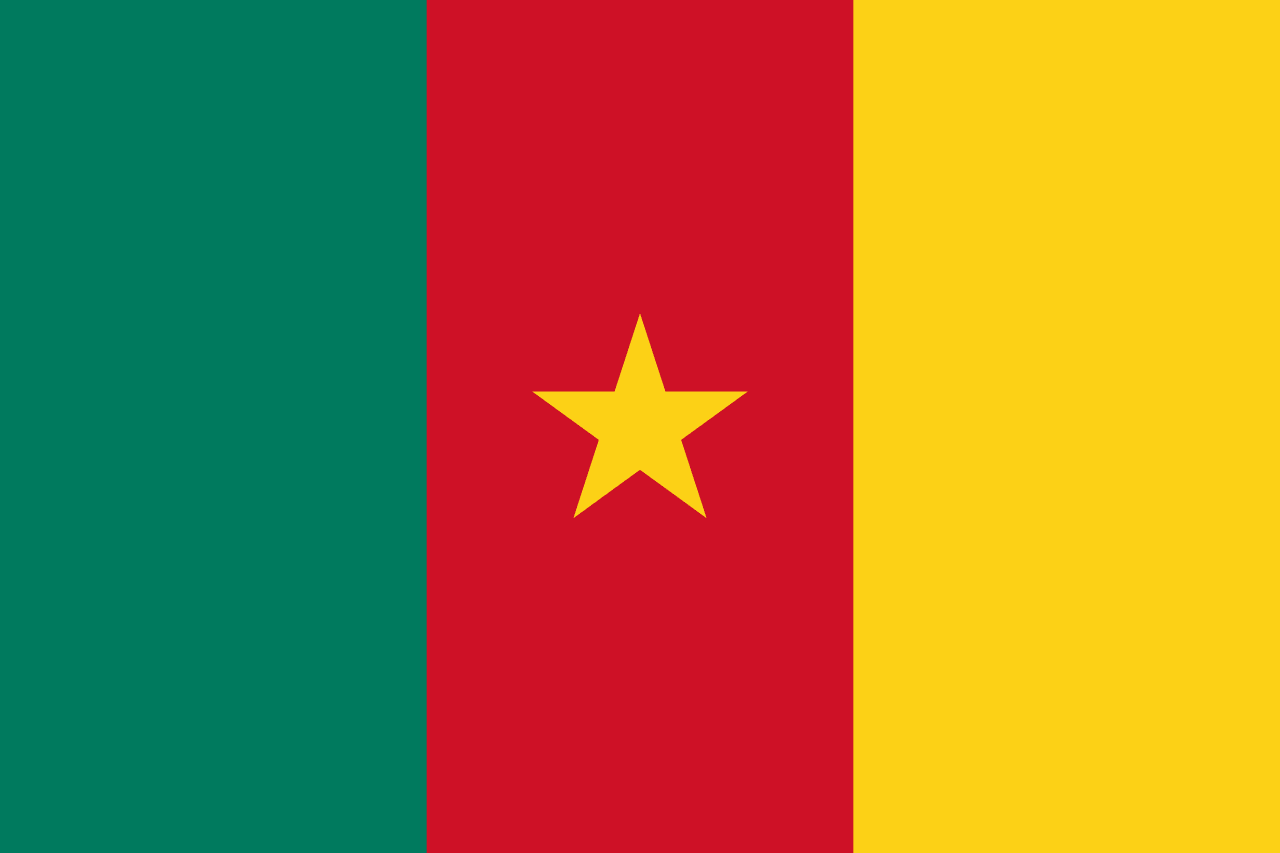
What It's Really Like to Live in Cameroon
Nestled in Central Africa, Cameroon is often referred to as “Africa in miniature” due to its diverse geography, cultures, and peoples. Having lived in this vibrant country for a few years, I can attest that everyday life here is a rich tapestry woven with traditions, challenges, and moments of joy. Let’s take a walk through what it’s really like to experience life in Cameroon.
Morning in Cameroon starts with the unmistakable aroma of freshly brewed coffee or the tantalizing scent of street food wafting through the air. In cities like Yaoundé and Douala, mornings kick off early. The sun rises around 6 AM, and you can expect to see vendors setting up their stalls by the roadside. My mornings often began with a stroll through the neighborhood market, where I would pick up a warm baguette for about 150 CFA francs (around 25 cents) and some ripe bananas for a few hundred CFA. The vibrancy of the market, full of colorful fruit and lively chatter, always set the tone for the day.
Cost of living in Cameroon can be quite affordable compared to Western standards. Rent for a modest one-bedroom apartment in Yaoundé can range from 100,000 to 250,000 CFA francs (approximately $150 to $375). Utilities, including electricity and water, can add another 30,000 to 70,000 CFA francs ($50 to $110) to monthly bills, depending on usage. This allows a comfortable lifestyle if you’re careful with budgeting. For groceries, local markets offer fresh produce at reasonable prices, while imported goods can be more expensive. A meal at a local restaurant costs around 2,000 to 5,000 CFA francs ($3 to $8), making it easy to enjoy the culinary delights without breaking the bank.
Food culture in Cameroon is one of the most fascinating aspects of daily life. The cuisine is as diverse as the country itself, influenced by the many ethnic groups that make up its population. You’ll often find dishes like plantains, cassava, and yam, paired with stews made from chicken, fish, or beef. One of my favorites is “ndolé,” a rich stew made with bitter leaves, peanuts, and either fish or meat, served with rice or plantains. Street food is also a staple; “suya,” spicy grilled meat skewers, and “akara,” deep-fried bean cakes, are popular snacks that can be found at roadside stalls for just a few hundred CFA.
Social customs in Cameroon are deeply rooted in respect and hospitality. Greeting one another is an essential part of daily interactions. When meeting someone, you often engage in a short conversation to inquire about their well-being and family. Phrases like “Nka yo?” (How are you?) or “Mabuh?” (How’s your family?) are common. It’s not unusual to spend several minutes exchanging pleasantries before moving on to other topics. This emphasis on connection fosters a strong sense of community, where relationships are valued over time.
Family life holds a central place in Cameroonian society. Extended families often live together or in close proximity, creating a network of support that is unparalleled. Family gatherings are frequent, especially during weekends or holidays. Children are generally raised with communal values; it’s common for neighbors to help each other out with childcare or household responsibilities. This sense of unity is heartwarming and creates a feeling of belonging.
Work culture in Cameroon can vary significantly depending on the sector. In urban centers, you’ll find a mix of formal and informal work environments. The standard workweek is typically Monday to Friday, with many offices operating from 8 AM to 5 PM. However, punctuality can sometimes be flexible, and it’s not uncommon for meetings to start later than scheduled. The informal economy also thrives here, with many people engaging in trade or small businesses. I’ve met countless individuals who have turned their passions into profitable enterprises, from selling handmade crafts to running local eateries.
Weekends in Cameroon are a vibrant affair. Most people take the opportunity to relax, socialize, and spend time with family. Markets are bustling as vendors offer their freshest produce, and families often gather for picnics or outings. Music and dance are integral parts of weekend life; the sound of Afrobeats, makossa, or bikutsi can be heard from many homes and streets. Festivals celebrating local traditions or religious events often draw large crowds, showcasing traditional dances and music. It’s always heartening to see how the community comes together in celebration, regardless of differences.
The weather in Cameroon is as diverse as its culture. The country experiences a tropical climate with a rainy season from May to October and a dry season from November to April. The weather greatly influences daily life; during the rainy season, streets can become rivers, making transport challenging. However, this season also brings lush greenery and abundant harvests. In contrast, the dry season offers a reprieve from the rain, allowing for outdoor activities and gatherings. Regardless of the weather, festivals tied to agricultural cycles are celebrated, bringing communities together.
Living in Cameroon does come with its challenges. Infrastructure can be lacking, especially outside major cities. Roads may be poorly maintained, and public transportation can be unpredictable. However, the resilience of the people shines through. Cameroonians are adaptable, and you often find creative solutions to daily challenges, whether it’s a makeshift repair to a vehicle or a communal effort to fix a road. Additionally, while access to healthcare has improved, it can still be inconsistent, particularly in rural areas.
Despite the hurdles, there are numerous positives to living here. The warmth of the locals is unmatched. Strangers often greet you with smiles and friendly chatter, making you feel welcome. The cultural diversity offers a rich tapestry of experiences, from traditional ceremonies to culinary delights. I’ve had the privilege of attending weddings and ceremonies where age-old customs are beautifully preserved, and the sense of community is palpable.
Foreigners living in Cameroon often find themselves fascinated by the cultural nuances. One surprise is the level of informality in social interactions. In many Western countries, one might expect a more formal approach, but here, even with elders, conversations can be free-flowing and relaxed, marked by laughter and humor. Another common surprise is the local emphasis on communal living. While individualism is celebrated in many parts of the world, here, the collective well-being takes precedence, and you truly feel a part of something larger.
Additionally, the concept of “African time” can be an adjustment for newcomers. Events might start later than scheduled, which can be frustrating at first. However, embracing this relaxed approach can also be liberating, as it encourages you to slow down and enjoy the moment.
In conclusion, life in Cameroon is a beautiful blend of challenges and joys. It’s a place where community thrives, traditions are cherished, and every day offers a new adventure. The warmth and resilience of its people create a tapestry of experiences that are rich with culture, connection, and love. Whether you are wandering through bustling markets, sharing meals with family, or dancing to the rhythms of local music, you are bound to find a vibrant life waiting for you in Cameroon.