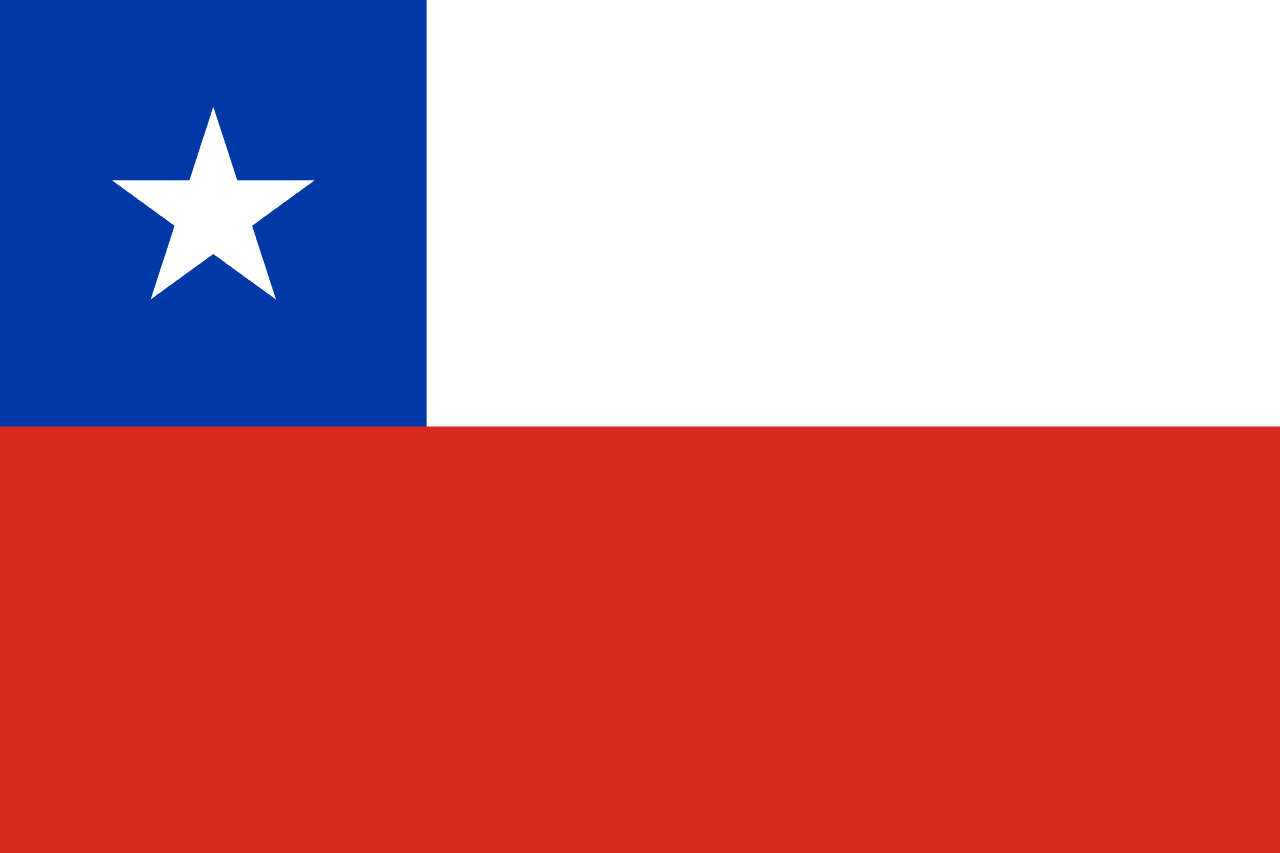
Living in Chile is an experience like no other, characterized by breathtaking landscapes, a rich tapestry of culture, and a rhythm to life that is uniquely its own. I've had the pleasure of calling this country home for several years now, and I can honestly say that each day brings a new adventure, whether it’s in the bustling streets of Santiago or the tranquil villages along the coast.
Everyday life in Chile is a vibrant blend of tradition and modernity. The mornings often start with a cup of coffee, known as "café." In most homes, you’ll find a French press or a traditional coffee pot, and many locals enjoy their brew with a slice of "pan con palta," which is mashed avocado on bread—a popular breakfast staple. It's not uncommon to see people commuting while clutching their coffee, making their way to work or school. The public transport system, especially in Santiago, is efficient and affordable, with the Metro being the lifeblood of the city. A single fare costs about 800 Chilean pesos (approximately $1), and it’s a reliable way to navigate the urban maze.
The cost of living in Chile varies widely depending on the region. Santiago, being a cosmopolitan hub, tends to be pricier. Rent for a one-bedroom apartment in the city center averages around 500,000 to 700,000 pesos ($600 to $850). However, as you move further from the capital, you can find more affordable options. In smaller towns like Valparaíso or Concepción, you might pay as little as 300,000 pesos ($360). Groceries are relatively reasonable, too. A liter of milk is around 800 pesos, a loaf of bread is about 500 pesos, and a dozen eggs costs roughly 2,000 pesos. Dining out can be a treat; a meal at a mid-range restaurant typically costs between 8,000 and 15,000 pesos ($10 to $20), and if you’re lucky enough to indulge in a "completo" (a hot dog with a mountain of toppings), you’ll find them for just a couple of thousand pesos.
Food culture in Chile is a cornerstone of daily life, with an array of flavors reflecting the diverse geography of the country. The Chilean palate is bold and hearty, favoring dishes like "pastel de choclo," a corn pie filled with meat, olives, and hard-boiled eggs, or "empanadas," which are stuffed pastries that come in various fillings from cheese to seafood. A unique local delicacy is "paila marina," a seafood stew that showcases the country’s rich coastline. Asado, or barbecue, is not just a meal but a social event, where friends and family gather to grill meats—often lamb or beef—over an open flame. If you’re invited to an asado, consider it a privilege, as it reflects the warmth and hospitality of Chileans.
Social customs are deeply ingrained in everyday interactions. Greetings are typically warm and friendly. A handshake is common when meeting someone, but close friends or family members often greet each other with a kiss on the cheek. The phrase "¿Cómo estai?" (How are you?) is a casual way to inquire about someone’s well-being, and it’s important to note that "estai" reflects the local dialect, which is characterized by a relaxed pronunciation. Chileans are known for their sense of humor and their ability to engage in lively conversations, often filled with playful banter.
Family life in Chile is incredibly important, with strong ties that can extend beyond the nuclear family. It’s common for several generations to live together or for adult children to remain in close proximity to their parents. Sunday family lunches are a cherished tradition, where extended families come together to catch up over a hearty meal. Children are often doted on, and there’s a palpable sense of community, whether in the colorful markets or during local festivals. It’s not unusual to see families taking strolls in the park or enjoying ice cream on a sunny afternoon, fostering a sense of togetherness amidst the hustle and bustle.
Work culture in Chile is evolving, yet it maintains some traditional aspects. The workweek typically runs from Monday to Friday, with many businesses opening around 9 AM and closing around 6 PM. Punctuality is appreciated, but there's a certain leniency—being a few minutes late is often overlooked. Chile is known for its long working hours, which can range from 45 to 50 hours a week, depending on the industry. While this dedication is admirable, it can also lead to a challenging work-life balance. The concept of "siesta" isn’t widely practiced, but many employees take short breaks to recharge, and lunchtime can extend up to two hours, especially if colleagues decide to head out for a meal together.
Weekends in Chile are a time for relaxation and leisure, often filled with a mix of outdoor activities and cultural experiences. Many locals escape to the coast or the Andes for hiking, skiing, or enjoying the sun on the beach. The coastal city of Pichilemu is a popular spot for surfers, while the picturesque town of San Pedro de Atacama draws those seeking adventure in the desert landscape. Back in the city, you’ll find bustling fairs and artisan markets where people shop for handmade goods, and street performers entertain crowds. On Saturdays, many people enjoy visiting local wineries, particularly in the renowned regions of Casablanca and Colchagua, where wine tasting has become an integral part of the Chilean weekend experience.
The weather in Chile varies dramatically from region to region due to its long and narrow shape. The north is characterized by arid deserts, while the central region boasts a Mediterranean climate with hot summers and rainy winters. Santiago experiences a warm climate, with July temperatures averaging around 10 °C (50 °F) and January temperatures soaring to 30 °C (86 °F). In Patagonia, however, it’s a different story, with unpredictable weather that can change from sunny to snowy within moments. This climatic variety shapes a lot of daily life; folks in the north often wear lighter clothing, while those in the south bundle up. The seasons dictate activities too—skiing in the winter, beach outings in the summer, and enjoying the stunning fall foliage in the central regions.
Living in Chile comes with its own set of challenges and positives. On the one hand, while the public health system is accessible, many locals prefer private clinics due to shorter wait times. The bureaucracy can be cumbersome, and navigating it as a foreigner can prove daunting at times. Additionally, the gap between social classes is noticeable, and discussions regarding inequality are ongoing and sensitive. However, the country is also rich in opportunities, especially for those eager to explore its natural beauty and cultural richness. The people are incredibly warm and welcoming, making it easy to forge friendships and feel at home.
One of the biggest surprises for foreigners is the Chilean slang, often referred to as "chileno." The language is peppered with unique expressions and words that can baffle newcomers. For instance, "po" is often added at the end of sentences for emphasis—so when someone says, "Sí, po!" it’s their way of saying "Yes, of course!" Similarly, "bacán" means cool or awesome. Getting the hang of these local phrases can endear you to the locals and enrich your experience.
In conclusion, living in Chile is an adventure that combines the beauty of nature, a unique culture, and the warmth of its people. From the daily rhythms of life, the delicious food, the strong familial bonds, and the customs that shape social interactions, every facet of life here tells a story. Despite its challenges, the positives far outweigh them, creating a fulfilling experience for anyone lucky enough to call this stunning country home. Whether you are savoring a traditional meal or taking in the majestic landscapes, there’s always something new to discover in Chile, making every day a little more special.