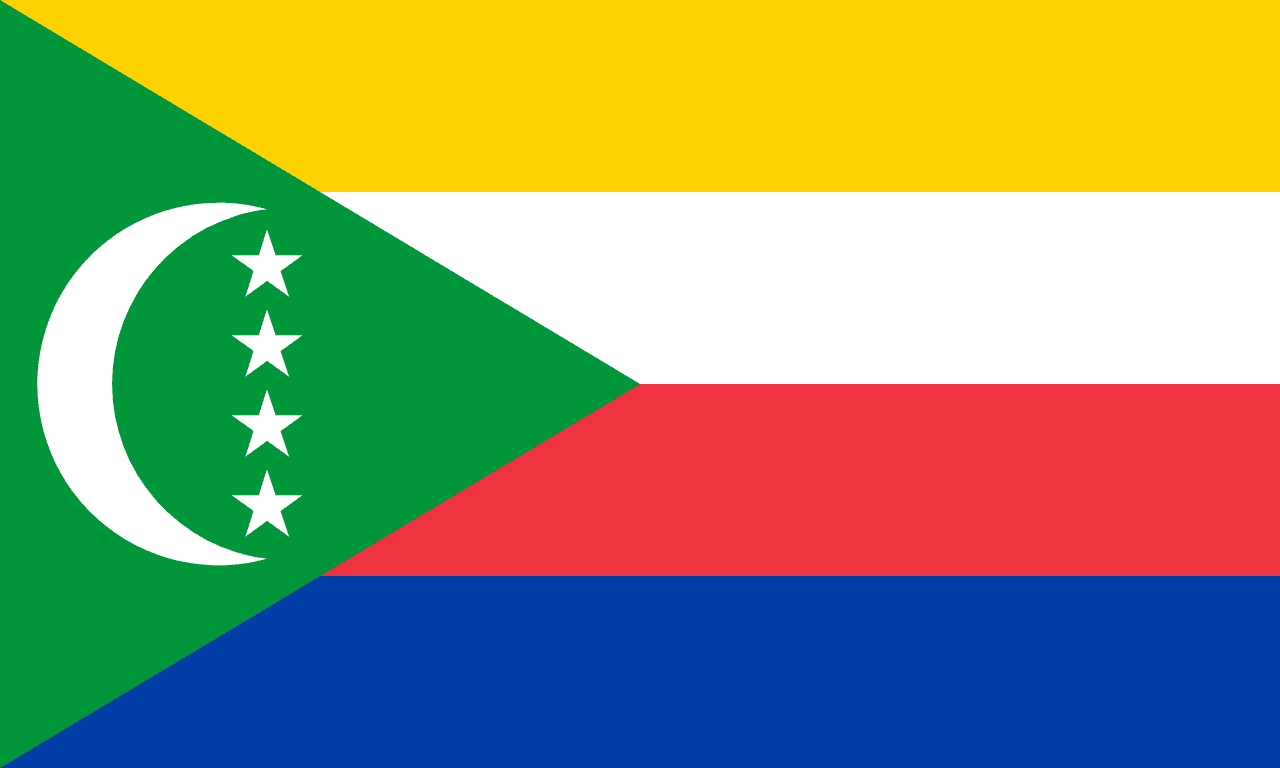
Comoros: The Perfume Islands at the End of the World
🌐 Translate:
Comoros sits in the Mozambique Channel between Madagascar and the African mainland — four volcanic islands that are among the least visited in the world and among the most botanically extraordinary. The islands produce ylang-ylang, the intensely sweet-floral oil extracted from the flowers of the Cananga tree that forms the heart of many of the world's finest perfumes including Chanel No. 5. Comoros produces roughly 80 percent of the world's ylang-ylang oil, distilling it in simple copper pot stills in forest clearings at night when the flowers are freshest.
The coelacanth — a fish thought extinct for 65 million years until one was caught off South Africa in 1938 — lives in the deep waters around Comoros. The Comoran fishermen had known about the fish, which they called gombessa and considered inedible, for generations before scientists discovered its significance. The Comoran coelacanth is a living link to the Devonian period, an ancient lineage that survived the mass extinction that killed the dinosaurs. It lives at depths of 150 to 700 metres and has changed very little in hundreds of millions of years.
Comorian culture is a blend of African, Arab, and Malagasy influences, expressed most vividly in its music — twarab, a genre of sung poetry with Arab-derived melodic forms and Swahili-influenced rhythms — and its architecture, where coral-stone towns with carved wooden doors reflect centuries of Indian Ocean trade connections. The islands have experienced more than twenty coups since independence in 1975, yet the culture persists with remarkable coherence.