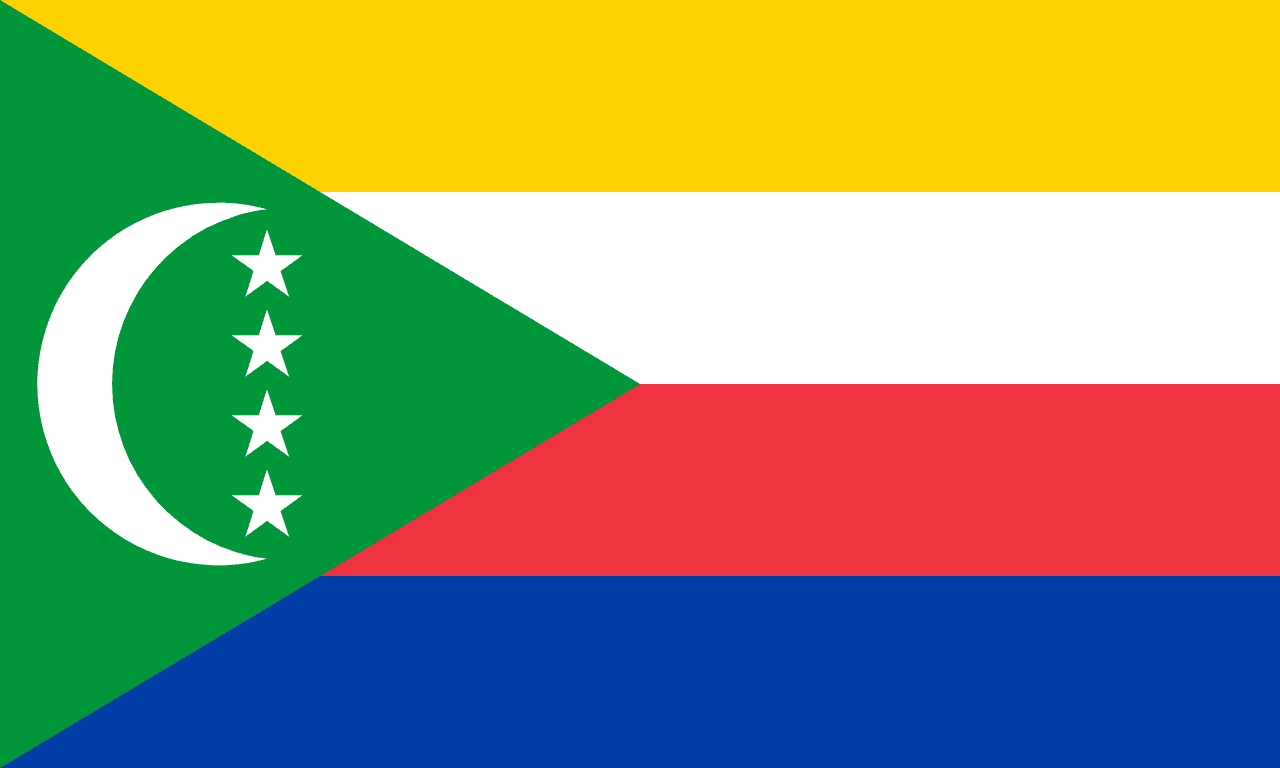
Living in Comoros is like stepping into a vivid tapestry woven with the threads of cultural richness, natural beauty, and the warmth of community. Nestled in the Indian Ocean between Madagascar and the coast of Mozambique, the archipelago of Comoros is often overlooked by travelers seeking more popular destinations. However, those who call this place home know it offers a life that is both simple and profound, filled with everyday experiences that are deeply tied to the land and its people.
Each morning in Comoros begins with the gentle sound of waves lapping against the shore, a soothing alarm clock that heralds the start of another beautiful day. The sun rises early, often painting the sky in hues of orange and pink, coaxing everyone out of bed to embrace the day. Daily life here is dictated by the rhythms of nature, and as I step outside, I am greeted by the rich scents of ylang-ylang and clove wafting through the air. These scents are not just part of the landscape; they are part of our identity. The islands are famous for their fragrant spices, and you can find them being sold by local vendors in the markets or used in every household.
Cost of living in Comoros is a mixed bag, but generally, it remains affordable compared to many Western countries. Rent for a modest two-bedroom house in the capital, Moroni, can cost around 100,000 Comorian francs (about $230) per month. Grocery shopping is relatively economical, but it requires some adaptation. Locally produced staples like rice, cassava, and bananas are quite cheap, often costing less than 1,000 francs (about $2.25) for enough to last a few days. However, imported goods can be pricey due to transport costs. A can of imported soda might set you back around 1,500 francs (about $3.40), which makes it a rare treat rather than an everyday indulgence.
Food culture in Comoros is vibrant and reflects our multi-ethnic background. The staple diet consists of rice accompanied by an array of curries, stews, and grilled meats, often seasoned with the island's signature spices. One of my favorite dishes is “mkatra,” a local pancake made from rice flour, served with coconut milk. It’s often enjoyed for breakfast, paired with a sweetened tea. Markets are alive with vendors selling fresh fish, colorful fruits, and spices, creating a sensory overload that’s hard to resist. The communal aspects of eating are significant; meals are often enjoyed with family and friends, fostering bonds and sharing stories.
Social customs in Comoros are deeply rooted in the values of respect and hospitality. Greetings here are incredibly important. A simple “Salama” (peace) can start a conversation, but it’s customary to inquire about the person’s health and family as a sign of respect. You may hear phrases like “Naka wapi?” (Where are you?) or “Ujame?” (How are you?) peppered into interactions, emphasizing the community-oriented spirit of Comorian culture. Visitors often find themselves welcomed with open arms, as hospitality is a point of pride for many locals. It’s not uncommon for strangers to invite you into their homes for a meal or to share a cup of tea.
Family life in Comoros revolves around strong kinship ties. Extended families often live together, creating a nurturing environment for children. Generational wisdom is valued, and elders command great respect. Family gatherings, especially during religious holidays or weddings, can be grand affairs, filled with laughter, music, and, of course, food. Children are seen as a blessing, and there's a strong emphasis on education. Schooling is important here, although access can be limited in rural areas, with families often facing challenges to send their children to school. The commitment to education reflects a desire for a brighter future, and I’ve often seen parents sacrifice their own needs to ensure their children can attend school.
The work culture in Comoros can be quite different from that in Western nations. Many people work in agriculture, fishing, and small businesses, while others find employment in tourism and service industries, particularly in more urban areas. A typical workday starts early, around 7 AM, and often ends around 4 PM. The pace of life is slower, allowing for breaks and socializing during the day. It’s common for workers to take time out to enjoy a cup of coffee or share a meal, reinforcing community bonds. However, economic challenges persist, with many facing unemployment or underemployment. The government has been making efforts to promote entrepreneurship and sustainable development, but results have been slow to manifest.
Weekends in Comoros are a time for relaxation and community. Saturday often sees families gathering for picnics on the beach, enjoying the stunning coastal scenery. Children play in the sand while adults catch up with friends and family over grilled fish and coconut water. Sundays are typically reserved for religious observance; the majority of the population is Muslim, and it’s common for families to attend prayers together. This aspect of life emphasizes the importance of faith and community, and it’s a beautiful sight to see the streets fill with people dressed in their finest attire heading to the mosque.
The weather in Comoros is a defining feature of our lives. The islands enjoy a tropical climate, characterized by warm temperatures and high humidity year-round. The rainy season from November to April can be intense, with heavy downpours that transform landscapes and fill the air with freshness. This season is welcomed, as it replenishes crops and brings life to the islands. However, it can also pose challenges, with occasional flooding and disruptions to daily activities. The dry season, on the other hand, invites sun-soaked days perfect for outdoor activities, from fishing to hiking up the volcanic mountains that grace our islands.
Living in Comoros comes with its share of challenges. Infrastructure in some areas is still developing, which means that access to reliable electricity and clean water can be inconsistent. Internet connectivity, while improving, is often slow and can be frustrating for those used to faster speeds. Additionally, economic opportunities can be limited, leading some young people to seek work abroad. Yet, despite these challenges, the beauty of the islands and the strength of the community create a resilience that is palpable. There’s a strong sense of belonging that keeps people grounded, and the natural beauty serves as a daily reminder of what truly matters.
For foreigners, living in Comoros can be a delightful surprise. Many come expecting a simple island life, but instead, they find a rich cultural tapestry and a community that embraces newcomers. The simplicity of life here, away from the hustle and bustle of modern cities, can be refreshing. However, some might be taken aback by the slower pace of life and the challenges of adapting to a different culture. The warmth of the people, the stunning landscapes, and the sense of community create a unique charm that lingers long after visitors leave.
In conclusion, living in Comoros is an experience that blends simplicity with depth. It’s a life that teaches you to appreciate the small moments, the beauty of community, and the importance of family. Each day is a reminder of the rich culture and history that defines these islands, and despite the challenges, the positives far outweigh them. As I reflect on my life here, I am filled with gratitude for the connections I’ve made, the lessons I’ve learned, and the breathtaking beauty that surrounds me. Comoros may be small, but its heart is vast, and living here is a journey of discovery that continues to unfold.