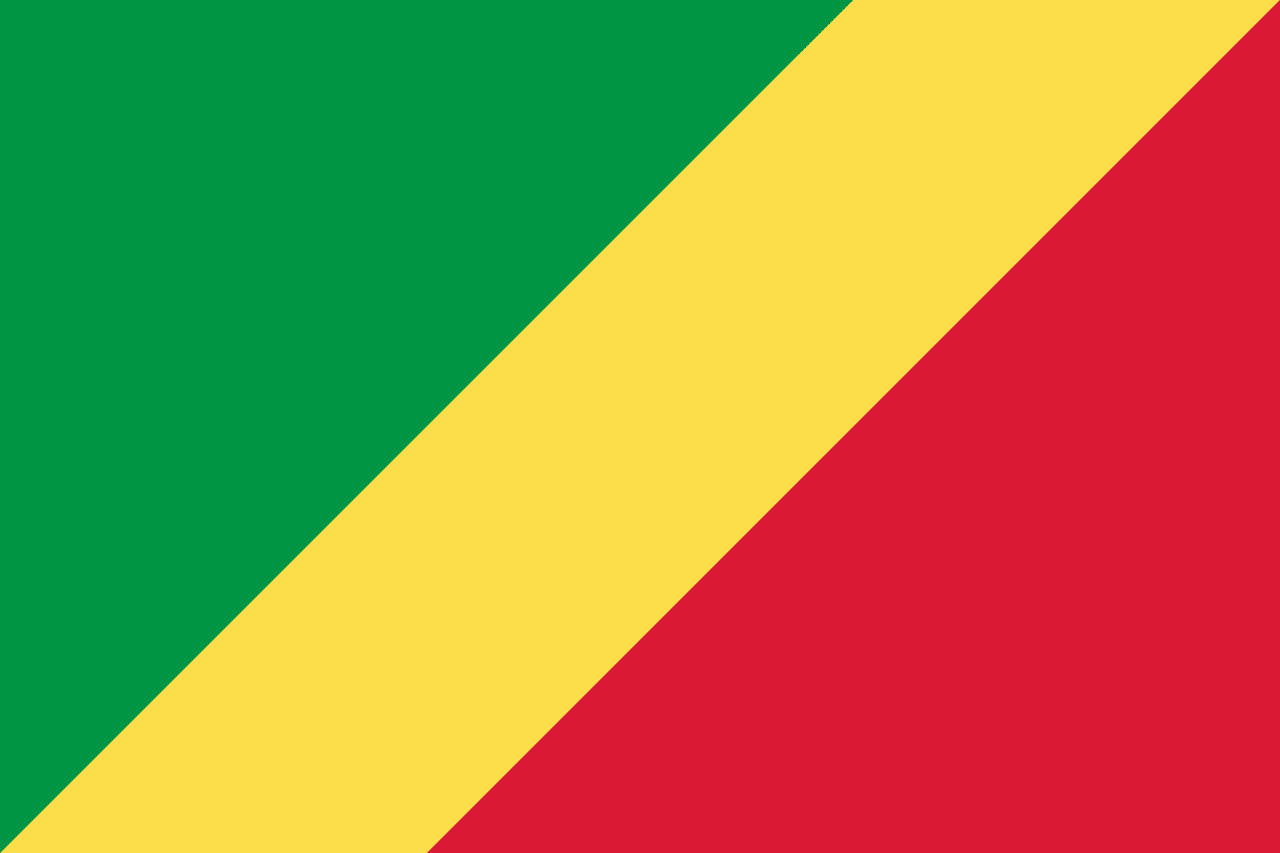
The Democratic Republic of the Congo, a country of staggering natural beauty and rich cultural heritage, offers a culinary landscape as diverse and vibrant as its landscapes. As I ventured through its bustling cities, lush rainforests, and charming villages, I found that Congolese cuisine is deeply intertwined with history, tradition, and the daily lives of its people. Each meal tells a story, and every dish is an invitation to savor the essence of Congolese life. From the hum of street markets to the warm embrace of family gatherings, my journey through the food of Congo revealed a tapestry of flavors that beckoned me at every turn.
One of the first dishes I encountered was **Liboké**. This dish consists of fish, often tilapia, marinated in spices like garlic and ginger, wrapped in banana leaves, and then grilled over an open flame. The aroma wafting through the air was irresistible, and as I took my first bite, I was treated to a delicate balance of smokiness and the savory richness of the fish. You’ll find Liboké in local fish markets or served in restaurants along the banks of the Congo River, where fishermen proudly present their catch of the day. The dish is often served with a side of cassava or plantains, making it a hearty meal that captures the spirit of the riverine communities.
Next on my culinary adventure was **Saka Saka** or cassava leaves stew, a staple that embodies the soul of Congolese home cooking. Made with finely chopped cassava leaves, groundnut (peanut) paste, and often coupled with meat or fish, this dish is rich, nutty, and deeply comforting. The first time I tasted Saka Saka at a family gathering, the warmth of the home enveloped me as I savored the flavors. It is traditionally served with fufu, a dough-like side made from fermented cassava or plantains, which you can use to scoop up the stew. This dish is often shared among families during significant celebrations, symbolizing unity and abundance.
As I continued to explore, I was delighted to discover **Moambe Chicken**. This dish is prepared with chicken simmered in a rich sauce made from palm oil, groundnuts, and spices. The thick sauce clings to the tender meat, creating a sweet yet savory experience that is utterly addictive. It’s a dish that reflects the culinary influence of the neighboring countries and is best enjoyed with rice or plantains. I found Moambe Chicken served at small eateries in Kinshasa, where locals gather for hearty meals after a long day. The dish is often a centerpiece during important family celebrations, showcasing both the hospitality and love of Congolese cuisine.
Another delightful find was **Fumbwa**, a dish that showcases the versatility of African eggplant. The eggplant is combined with groundnut paste, spices, and sometimes meat or fish, creating a dish that bursts with flavor and color. I encountered Fumbwa at a local tavern, where the vibrant atmosphere mirrored the rich flavors of the food. The dish is often served at communal meals, making it a perfect option for sharing among friends and family. Every bite was a reminder of the Congolese people’s resourcefulness in using locally available ingredients.
As I wandered through the streets of Brazzaville, I stumbled upon **Makayabu**, which is dried salted fish, a beloved snack or side dish. The preparation process involves drying and salting fish, often served with a spicy sauce made from tomatoes and chili peppers. The crispy texture and intense flavor of Makayabu made it an addictive treat, and I couldn’t resist grabbing some from a street vendor who offered it with a smile. This dish is a common accompaniment to meals, enhancing the flavors with its umami kick, and showcases the Congolese affinity for seafood that thrives in its waters.
A visit to Congo would be incomplete without indulging in **Pili Pili**, a fiery chili condiment that adds a kick to almost any dish. Made from hot peppers, garlic, and spices, Pili Pili is a staple at mealtime, and I quickly learned that a little goes a long way. I found it at nearly every restaurant and home, where it was served in small bowls alongside main courses. The locals often have their own recipes, passed down through generations, and it serves as a testament to the love that Congolese people have for bold flavors and spiciness in their cuisine.
One morning, I found myself enjoying **Chikwanga**, a traditional fermented cassava bread that is steamed in banana leaves. The slightly tangy flavor and chewy texture make it a fantastic complement to savory stews, and I discovered its importance during festive occasions, where it is often served during gatherings and celebrations. I watched as a local woman expertly wrapped the cassava dough in banana leaves, a skill she had honed over many years. Chikwanga represents the spirit of sharing and community, as families often prepare large quantities to feed many.
Moving on to desserts, I was pleasantly surprised by the simplicity yet deliciousness of **Bananes Plantains**. These sweet plantains are often fried or boiled and served as a dessert or snack. The caramelized exterior and soft, sweet interior made for a comforting treat, and I couldn’t get enough of them after a long day of exploring. Street vendors often sell these delightful bites, making them accessible to everyone. They remind me of childhood sweetness—a simple pleasure enjoyed by individuals and families alike.
While sampling the local cuisine, I couldn’t resist trying **Kanda**, or groundnut balls. Made from crushed peanuts, these small, round treats are a popular snack or appetizer. They are often served with a spicy dipping sauce, making them a perfect companion for a cold drink. I discovered Kanda at a local market, where the vibrant colors and scents of the stalls lured me in. Each bite encapsulated the essence of Congolese snacks—simple yet bursting with flavor.
Finally, I had to mention **Ndakala**, a dish made from smoked fish, which is often served with a hot pepper sauce. The smoky flavor of the fish, paired with the heat of the chili sauce, created a bold taste that left my taste buds tingling. I enjoyed Ndakala in a family’s home one evening, where it was served alongside rice and vegetables, showcasing the hospitality and warmth of the Congolese people. This dish is often enjoyed during gatherings, as families come together to share stories and laughter over a meal.
Finding the best food in Congo is an adventure in itself. Whether wandering through bustling markets filled with fresh produce and spices, sampling street food from colorful stalls, or dining in cozy restaurants, there’s no shortage of flavors to explore. The markets are a feast for the senses, brimming with the vibrant colors of local ingredients, while street stalls offer quick and delicious bites that capture the essence of Congolese life. For a more sit-down experience, many restaurants in Kinshasa and Brazzaville showcase traditional dishes in a warm and inviting atmosphere, often accompanied by live music or performances that celebrate the culture.
As I reflect on my culinary journey through Congo, the flavors linger in my memory, woven into the fabric of my experiences. Each dish, whether savory or sweet, told a story of heritage, warmth, and the joy of sharing food with loved ones. The food of Congo is more than sustenance; it is a celebration of life, love, and the rich traditions that bind its people together. As I left, I took with me a deep appreciation for the culinary culture of this magnificent land and a promise to return for more flavors and stories to savor.