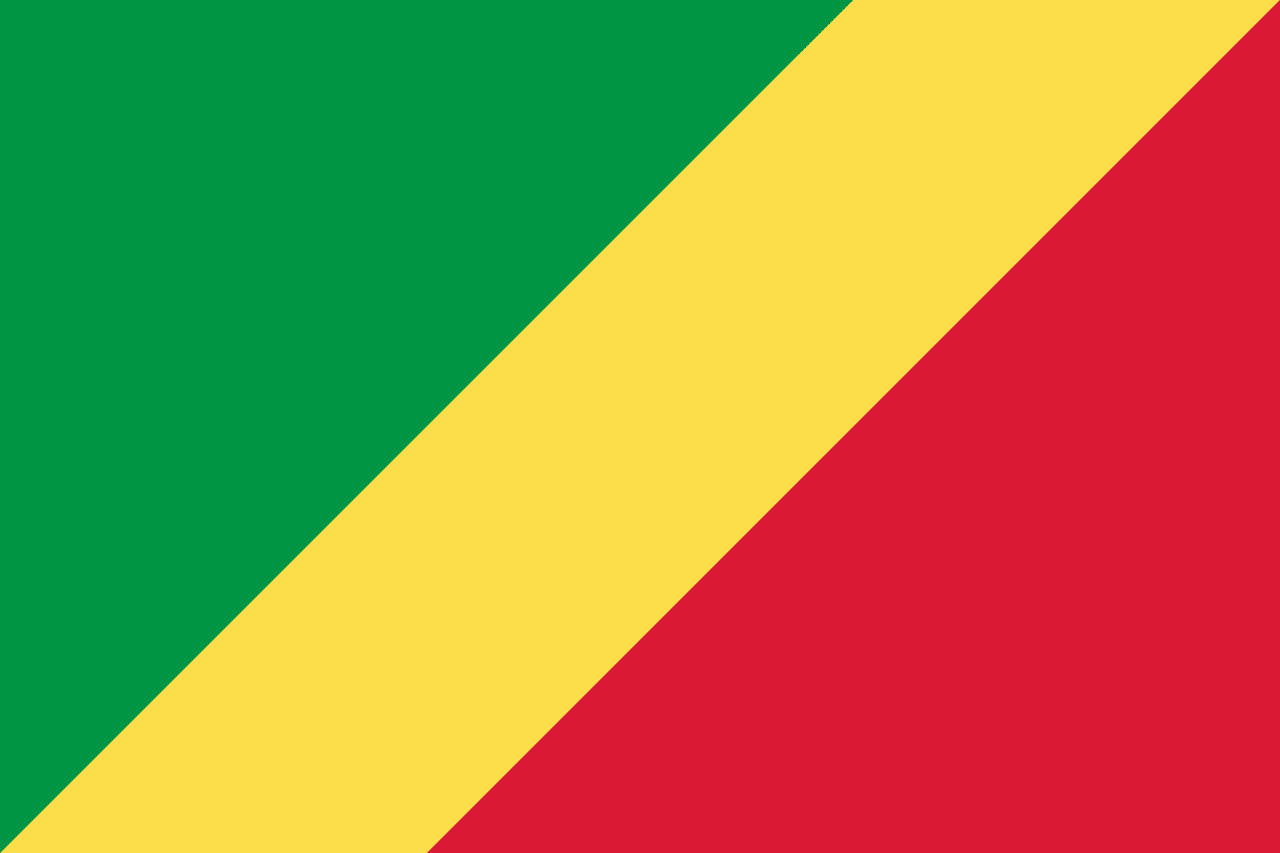
The Republic of the Congo — not to be confused with its larger neighbour across the river — is a country of dense equatorial rainforest, powerful rivers, and some of Central Africa's most accessible great ape encounters. Brazzaville, the capital, faces Kinshasa across the mighty Congo River in one of the world's most dramatic capital-city pairings.
The Congo Basin forest that covers much of the country is the second-largest tropical rainforest on Earth. Odzala-Kokoua National Park in the northwest is the Republic of Congo's flagship wilderness destination. Dense forest clearings attract western lowland gorillas, forest elephants, and sitatunga antelope. The park offers some of Central Africa's best gorilla habituation experiences, where habituated gorilla families allow visitors to observe them at close range in near-natural conditions. Wild chimpanzees and forest buffalo also roam the reserve.
Nouabale-Ndoki National Park, in partnership with the Wildlife Conservation Society, protects a vast section of primary forest that was among the first in the Congo Basin to have gorilla habituation programmes. The Mbeli Bai clearing is one of the most studied western lowland gorilla sites in the world, and researchers have been observing families here for decades.
Brazzaville itself is a relaxed and genuinely pleasant African capital. The Basilique Sainte-Anne, built in the 1940s, is one of Central Africa's most striking churches. The Poto-Poto neighbourhood is home to one of Africa's oldest painting schools, established in 1951, producing vivid canvases in a distinctly Congolese urban style. The riverside bar and restaurant scene along the Congo River offers sundowners with a view of Kinshasa's skyline just across the water.
Congolese cuisine is built around cassava — as fufu, as leaves cooked in palm oil, as bread. Grilled fish from the Congo River, plantain, and spiced groundnut stew are daily staples.
River journeys on the Congo and its tributaries are an adventure in their own right, passing through forest villages and riverine landscapes that rarely appear in travel media. The best time to visit is during the dry seasons from June to September and from December to February.