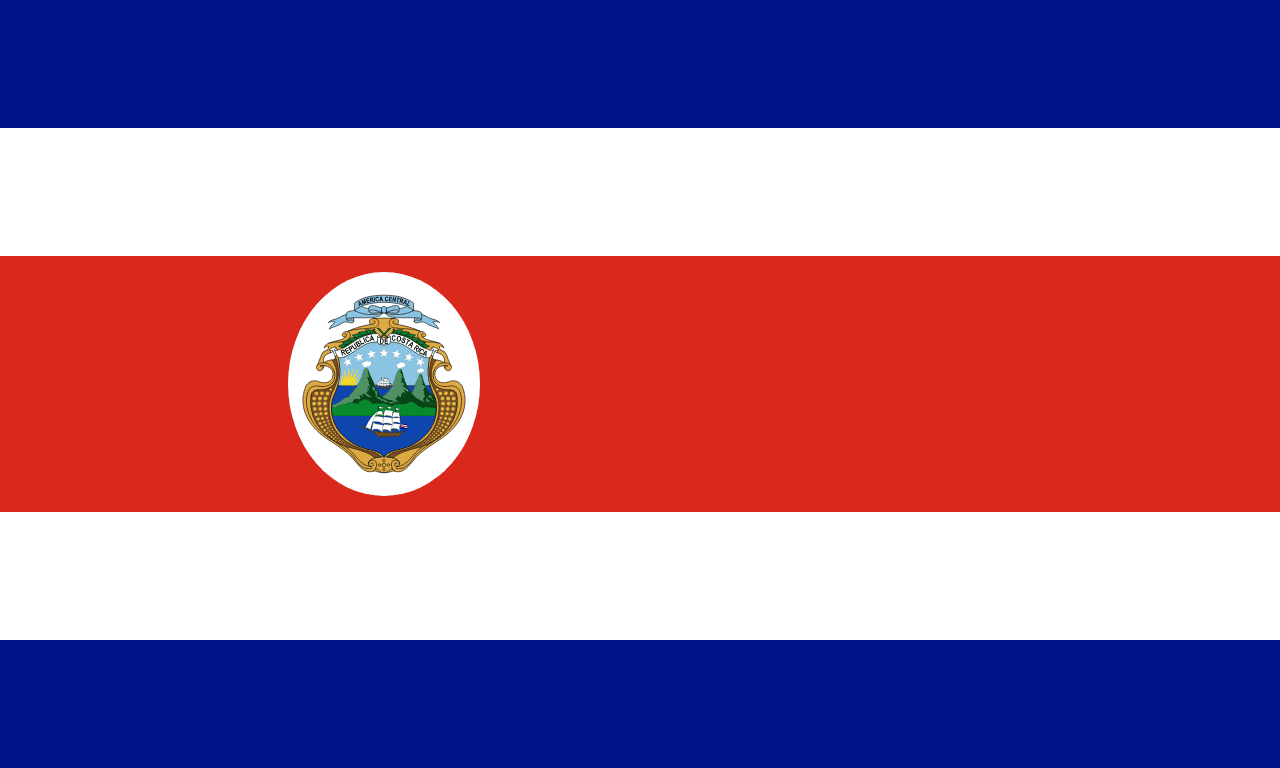
The History of Costa Rica: From Ancient Times to Today
🌐 Translate:
# The History of Costa Rica: From Ancient Times to Today
Nestled between the Caribbean Sea and the Pacific Ocean, Costa Rica is known for its stunning biodiversity, vibrant culture, and a remarkably stable democracy. However, the history of this small Central American country is a rich tapestry woven from the threads of ancient civilizations, colonial encounters, and modern-day nation-building. Join me as we traverse the fascinating timeline of Costa Rica, exploring its indigenous roots, colonial challenges, the fight for independence, and the emergence of a modern nation.
## Ancient and Indigenous History
Long before European contact, the land that is now Costa Rica was home to a myriad of indigenous groups, each with its own distinct culture and social organization. The earliest evidence of human habitation in Costa Rica dates back to around 10,000 BC, with groups like the Clovis culture leaving behind primitive tools and artifacts. However, it was the more structured societies arising between 300 BC and 500 AD that began to leave a significant mark on the region.
The most noteworthy civilizations included the Chorotega and the Bribri, along with others such as the Cabécar and the Huetar. The Chorotega, who inhabited the northwest region of the country, were known for their pottery and agricultural techniques. They farmed maize, beans, and squash, while also engaging in trade with neighboring tribes. The Bribri, conversely, lived in the mountainous regions, developing a unique social structure and spiritual belief system tied closely to nature.
One of the most intriguing aspects of pre-Columbian Costa Rica was its extensive use of stone spheres, known as "Las Bolas." Crafted by the Diquís culture around 500 AD to 1500 AD, these spheres served as symbols of status and power. Their precise purpose remains a mystery, sparking theories that range from ceremonial uses to markers of territorial boundaries.
As the centuries progressed, these indigenous cultures flourished, each contributing to a mosaic of traditions, languages, and practices. However, their histories and achievements were largely overshadowed by the arrival of European explorers in the 16th century.
## The Age of Exploration and Colonization
In 1502, Christopher Columbus made his first encounter with the Central American coast during his fourth voyage, landing on the shores of what would become Costa Rica. His arrival marked the beginning of a tumultuous era characterized by exploitation and conquest. The name "Costa Rica," meaning "Rich Coast," was coined by Columbus, who hoped to find gold and other treasures. Yet, what he found was largely unwelcoming terrain with few riches.
The Spanish conquest began in earnest in the 1530s, led by explorers such as Juan de Cavallón and Gonzalo Fernández de Oviedo. They encountered fierce resistance from indigenous groups who were determined to defend their lands. By the late 16th century, however, Spanish dominion began to solidify, primarily as the indigenous population dwindled due to diseases introduced by the Europeans and violent conflicts.
Colonial rule was harsh and exploitative. The Spanish imposed their language, religion, and customs, reshaping the social fabric of the land. The indigenous population faced forced labor and displacement, with many communities losing their ancestral lands. Nonetheless, they managed to preserve aspects of their heritage, blending their traditions with those of the colonizers.
During the 18th century, Costa Rica became a part of the larger Captaincy General of Guatemala. It was a remote and neglected outpost, with limited resources and infrastructure. Life in this period was marked by a lack of political power, and many settlers turned to agriculture, particularly coffee and cocoa, to sustain themselves. The agricultural economy would eventually become a cornerstone of Costa Rica's identity.
## The Road to Independence
As the winds of change swept through the Americas in the early 19th century, the desire for independence began to stir among the colonized peoples. The Mexican War of Independence in 1821 served as a catalyst for Costa Rican aspirations. On September 15th of that year, Costa Rica, along with other Central American provinces, declared independence from Spanish rule.
However, this newfound freedom came with its own set of challenges. Costa Rica initially joined the First Mexican Empire under Emperor Agustín de Iturbide but soon withdrew from this union. In 1823, the Central American Federation was established, comprising Costa Rica, Guatemala, Honduras, Nicaragua, and El Salvador. The federation aimed to unite the region politically and economically, but it was plagued by internal conflicts and power struggles.
Costa Rica's distinct identity began to emerge during this period. While other Central American nations experienced civil wars and political instability, Costa Rica enjoyed relative peace. This stability was largely due to its agrarian economy, which flourished with the cultivation of coffee, becoming the backbone of the country’s economy. Coffee production led to the growth of a middle class, which in turn fostered demands for social reform and political representation.
By the mid-19th century, Costa Rica had successfully abolished the Central American Federation, emerging as a sovereign state in 1838. The nation’s early leaders, such as José María Castro Madriz, played pivotal roles in shaping its governance and laying the foundations of a democratic society.
## The 20th Century: Challenges and Transformation
The early 20th century was a period of both progress and turbulence for Costa Rica. The construction of the Inter-American Highway in the 1930s and the development of the banana industry, spearheaded by the United Fruit Company, transformed the economy and attracted foreign investment. However, these changes came with socio-economic disparities and labor unrest.
In 1948, Costa Rica faced a significant turning point. A contentious presidential election pitted the incumbent, Teodoro Picado, against former president, Otilio Ulate. Allegations of electoral fraud led to civil unrest, culminating in a brief but intense civil war. The conflict lasted just 44 days but resulted in the establishment of a new political order. José Figueres Ferrer, a leading figure in the revolution, emerged victorious and implemented a series of progressive reforms.
One of Figueres' most notable achievements was the abolition of the military in 1949, a groundbreaking decision that set Costa Rica apart from its Central American neighbors. This allowed the country to redirect resources towards education, healthcare, and social welfare programs, fostering a strong, educated citizenry.
Costa Rica’s commitment to democracy and peace became a hallmark of its identity. The nation embraced a policy of neutrality, avoiding military alliances and conflicts. This peace-oriented stance, coupled with its commitment to environmental conservation and sustainable development, formed the bedrock of Costa Rican values moving into the late 20th century.
## Costa Rica Today: A Beacon of Stability and Progress
Today, Costa Rica is celebrated as a model of democracy and stability in a region often fraught with political unrest. Its commitment to environmental sustainability is evident in its policies that prioritize conservation and ecotourism. The country boasts over 25% of its territory designated as protected areas, making it a global leader in biodiversity and conservation efforts.
Costa Rica's economy has diversified beyond agriculture, with technology and ecotourism emerging as significant sectors. The nation attracts thousands of tourists each year, drawn by its lush rainforests, pristine beaches, and rich cultural heritage. The famous phrase "Pura Vida," meaning "pure life," encapsulates the Costa Rican ethos—an appreciation for simple joys, health, and well-being.
Despite its achievements, Costa Rica faces challenges, including income inequality and the impacts of climate change. However, the resilience and adaptability of its citizens continue to shine through as they work towards creating solutions for a sustainable future.
As we reflect on the journey of Costa Rica, from its deep-rooted indigenous history to its modern-day achievements, it becomes clear that this small country has made an indelible mark on the global stage. Its story is one of resilience, transformation, and hope—a reminder that even the smallest of nations can rise to greatness through the power of unity, peace, and a shared vision for a better tomorrow.
In celebrating the richness of Costa Rica’s past, we not only honor the legacies of those who came before but also the promise of a bright future ahead—a pura vida for generations to come.