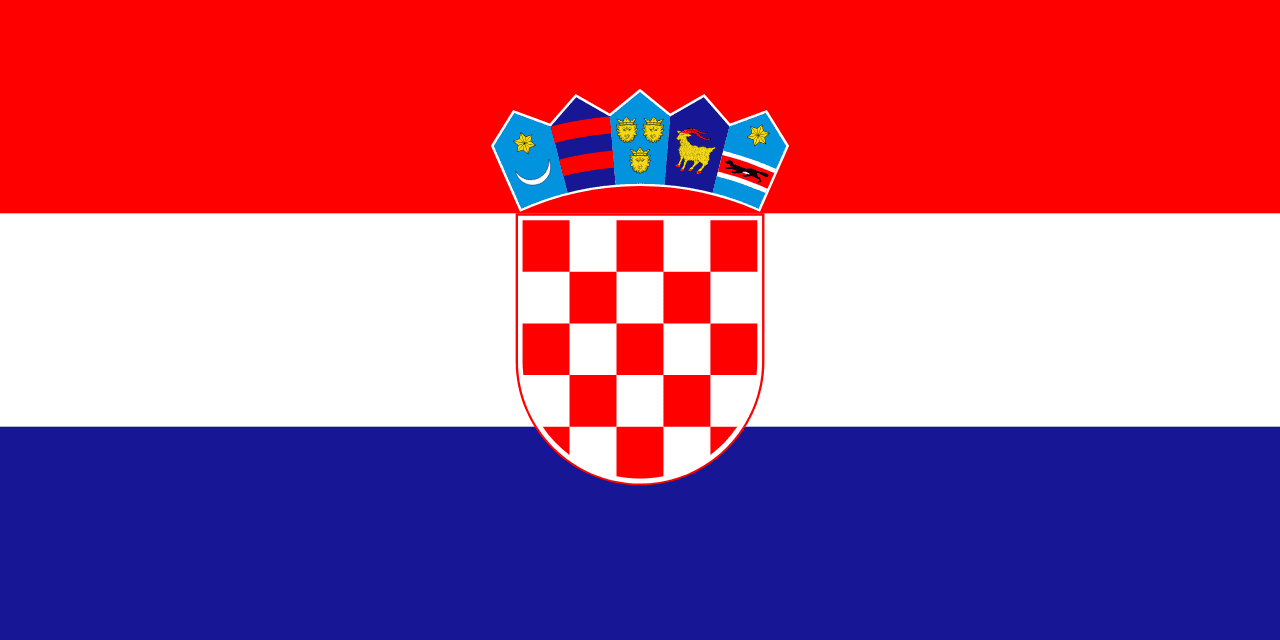
The sun sets over the Adriatic Sea, casting a warm golden hue on the ancient stone towns of Croatia, where the air is thick with the aroma of grilled seafood and fresh herbs. As I wandered through the cobbled streets of Dubrovnik, the vibrant sights and sounds of bustling markets and lively taverns beckoned me to explore the country’s rich culinary culture. Croatian cuisine is a beautiful tapestry woven from the diverse influences of its coastal and inland regions, steeped in history and tradition. From the lush vineyards of the north to the sun-soaked shores of the south, each dish tells a story of the land, the sea, and the people. Join me as I introduce you to ten culinary treasures of Croatia that you simply must try.
First on my list is **Peka**, a dish that embodies the essence of Croatian cooking. Traditionally prepared under a bell-shaped lid called a ‘peka’, this dish is a slow-cooked medley of meat—often lamb or veal—seasoned with local herbs, vegetables, and sometimes potatoes. The flavors mingle beautifully over the fire, creating a savory experience that’s both hearty and comforting. You’ll usually find Peka served in family-run konobas (taverns) in Dalmatia, where the welcoming atmosphere invites you to savor the meal as if you were part of the family. The history of Peka is deeply rooted in Croatian tradition, often associated with gatherings and celebrations, making it not just food but a cherished ritual.
Next up is **Sarma**, a beloved dish across the Balkan region that has its own special place in Croatian hearts. Sarma consists of pickled cabbage leaves stuffed with a mixture of minced meat and rice, seasoned with aromatic spices. Each bite is a delightful balance of tangy and savory flavors, with a tender texture that melts in your mouth. I indulged in this dish during a winter visit to a cozy restaurant in Zagreb, where locals often gather to enjoy hearty meals. Sarma is particularly popular during the colder months and festive occasions, symbolizing warmth and community. It’s a dish that reminds you of grandmother’s cooking, steeped in love and tradition.
As I strolled through the coastal town of Split, I couldn’t resist trying **Black Risotto**, or **Crni Rižot**. This dish is a culinary masterpiece that showcases the bounty of the Adriatic. Made with cuttlefish or squid, the rice absorbs the natural ink, giving it a striking black color. The taste is rich and briny, perfectly complemented by a glass of local white wine. I found a small seaside restaurant overlooking the bustling harbor, where the gentle lapping of waves created the perfect backdrop for my meal. Black Risotto is often associated with fishermen’s feasts and is a testament to Croatia’s deep connection to the sea and its culinary offerings.
Moving inland, I encountered **Pašticada**, a slow-cooked beef stew marinated in vinegar, red wine, and spices, typically served with gnocchi. The meat is tender and succulent, imbued with layers of flavor that create a dish worthy of any celebration. I savored this delightful meal at a family-owned restaurant in the picturesque town of Trogir, where the owners proudly shared the history of Pašticada, often served during festive gatherings and weddings. The dish’s roots can be traced back to the Dalmatian nobility, showcasing the region’s culinary sophistication and love for hearty, wholesome meals.
A delightful discovery during my travels was **Štrukli**, a traditional pastry that can be either savory or sweet. Made from thin layers of dough filled with cheese and often baked to golden perfection, Štrukli is a staple in the Zagorje region. The taste is a delightful harmony of creamy cheese and flaky pastry, making it a comforting dish for any time of day. I stumbled upon a quaint café in a small village, where the owner passionately described the dish’s significance in local culture, often enjoyed as a family meal or a beloved snack. It’s a must-try for anyone visiting Croatia, and I can still recall the warmth of that café as I indulged in this simple yet delightful treasure.
Next, I ventured to the coastal city of Rijeka to indulge in **Fritule**, a popular Croatian dessert that sweetens any occasion. These small, deep-fried doughnuts are often flavored with citrus zest or rum and dusted with powdered sugar. The first bite is a delightful explosion of sweetness, with a light and fluffy interior. Fritule are particularly popular during the holiday season, where they find their way into festive celebrations and markets. I had the pleasure of enjoying these treats at a bustling Christmas market, surrounded by laughter and the scent of mulled wine, and it was a joyous experience that warmed my heart.
As my culinary journey continued, I discovered **Burek**, a flaky pastry filled with various fillings, most commonly meat, cheese, or spinach. This dish has Ottoman roots and has become a beloved street food across Croatia, especially in cities like Mostar and Split. The layers of crispy pastry give way to a savory filling that is both satisfying and delicious. I found a small bakery in the heart of Zadar, where the scent of freshly baked Burek wafted through the air, enticing me to indulge. It’s a staple for many locals, often enjoyed as a quick lunch or snack, and reflects the fusion of cultures that defines Croatian cuisine.
No Croatian culinary exploration would be complete without sampling **Grilled Fish**, a highlight of the coastal dining experience. Freshly caught fish, such as sea bass or sardines, is simply seasoned with olive oil, garlic, and herbs before being grilled to perfection. The result is a dish that tastes like the ocean, with a smoky flavor and tender flakes. I relished this dish at a seaside taverna in Hvar, where the sound of waves and laughter created an idyllic atmosphere. Grilled fish is often enjoyed during summer gatherings, showcasing the local commitment to using fresh, seasonal ingredients that celebrate the Adriatic’s bounty.
Finally, I must mention **Rakija**, a traditional fruit brandy that is often served as a welcome drink or aperitif. Made from a variety of fruits, including plums and grapes, Rakija is a staple in Croatian households and is steeped in tradition. The taste can vary from sweet to strong, depending on the fruit and the distillation process. I experienced the warmth of Rakija during a visit to a local vineyard, where the owner shared stories of family traditions and the role of this spirit in Croatian hospitality. It’s a drink that embodies the spirit of Croatia, inviting you to slow down, savor the moment, and connect with those around you.
As I reflect on my culinary adventure through Croatia, it’s clear that the best food can be found in a variety of places. From vibrant markets bustling with fresh produce to charming street stalls offering quick bites, and family-run restaurants serving up generations of recipes, the essence of Croatian cuisine lies in its authenticity and the warmth of its people. Whether you’re wandering the streets of Zagreb or relaxing on the sunny shores of Hvar, the food of Croatia invites you to indulge in a rich tapestry of flavors, stories, and traditions. The next time you find yourself in this stunning country, be sure to embrace the culinary delights that await, for they are a true reflection of Croatia’s heart and soul.