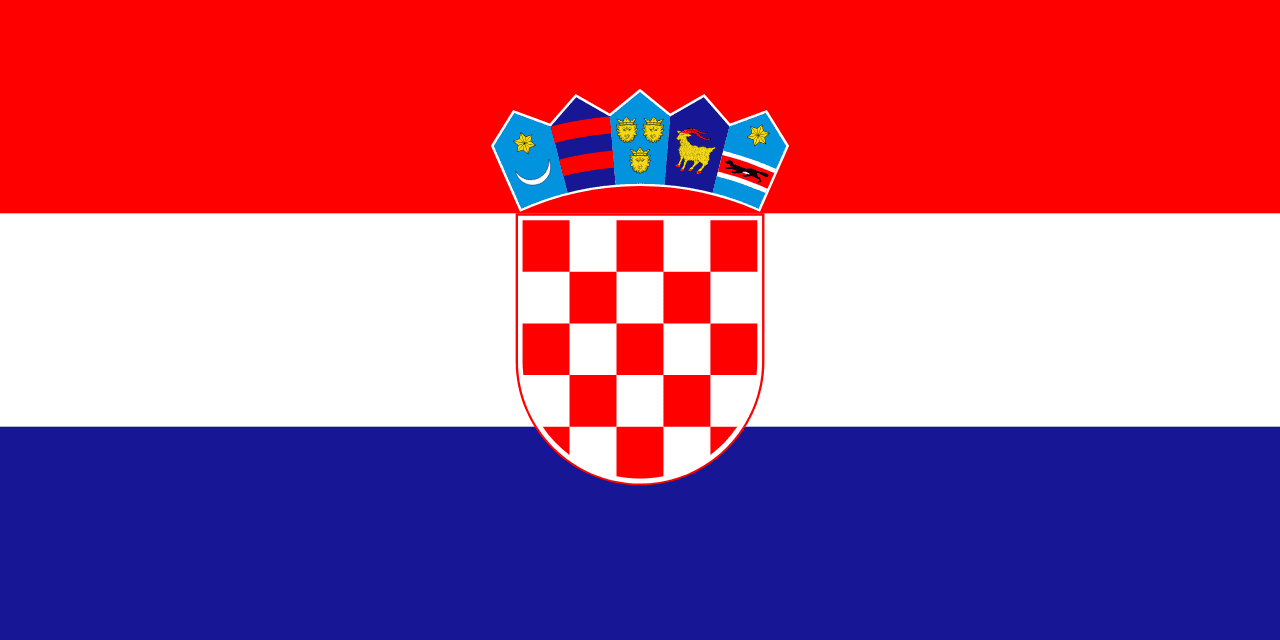
What It's Really Like to Live in Croatia
Living in Croatia feels like stepping into a postcard, with its picturesque coastlines, charming medieval towns, and the stunning backdrop of the Dinaric Alps. I moved here a few years ago, trading the hustle and bustle of city life for a slower, more serene existence in this Mediterranean jewel. Although Croatia’s beauty is undeniable, it is the everyday experiences that truly reveal what life is like here. From the rising sun casting a golden hue over the Adriatic Sea to the vibrant life in bustling markets, every moment is infused with a unique charm.
Starting with daily life, mornings in Croatia often begin with the aroma of freshly brewed coffee wafting through the air. Coffee culture is deeply embedded in Croatian society. Many locals enjoy their coffee leisurely, often accompanied by a pastry, at one of the numerous cafes that line the streets. A typical espresso, or "kava," costs around 10 kuna (about $1.50), and it’s not uncommon for friends to linger for hours, engaged in animated conversation. The pace of life here encourages these social interactions, fostering a sense of community that is refreshing.
Cost of living is another facet of daily life in Croatia that many find surprising. While it can vary significantly between urban and rural areas, overall, it’s relatively affordable. For instance, rent for a one-bedroom apartment in the heart of Zagreb ranges from 3,000 to 5,000 kuna ($450 to $750), depending on the location. In smaller towns, you can find even more reasonable options. Groceries are also quite affordable. A loaf of bread might set you back 7 kuna ($1), while a liter of milk is around 8 kuna ($1.20). Dining out is generally inexpensive; a meal at a mid-range restaurant can cost anywhere from 80 to 150 kuna ($12 to $22), and you can find delicious street food, such as "burek" (a savory pastry filled with meat or cheese) for just 20 kuna ($3).
Food culture in Croatia is as diverse as its landscape, with each region offering distinct culinary delights. The coastal areas are famous for their seafood, particularly fresh fish, octopus, and shellfish, which are often grilled with olive oil and herbs. Inland, heartier dishes such as "pašticada" (a marinated beef stew) and "štrukli" (a baked dough filled with cheese) reign supreme. The markets are vibrant and bustling, where locals buy fresh produce, cheeses, cured meats, and other artisanal food products. I remember visiting the Dolac Market in Zagreb, where you can find everything from ripe tomatoes to homemade jams. The locals take immense pride in their ingredients, and many are happy to share recipes and cooking tips, fostering a warm sense of community wherever you go.
Social customs in Croatia lean heavily on hospitality and familial bonds. It’s customary to greet friends and strangers alike with a warm "Dobar dan" (Good day) or "Bok" (Hi). Family is at the heart of Croatian culture, and it’s common for extended families to live close to one another, often gathering for Sunday lunches that can last for hours. For many, these meals are the highlight of the week, filled with laughter, traditional dishes, and plenty of local wine.
Work culture here is an interesting blend of formality and family-oriented sensibilities. The typical workday runs from 8 AM to 4 PM, though many businesses might close for a couple of hours in the afternoon, especially in smaller towns. This allows for a leisurely lunch, often a time for colleagues to bond over food. The work environment can be quite relaxed compared to other European countries, yet there still exists a level of professionalism. Croatians value punctuality and dedication, but they can also appreciate a good work-life balance. Many locals will take their vacation time seriously, often venturing to the coast or the countryside to unwind and spend time with loved ones.
When the weekend rolls around, Croatians love to seize the opportunity to relax and socialize. The coastal towns buzz with tourists during the summer, but locals find joy in their serene beaches, crystal-clear seas, and picturesque landscapes. Weekends often involve family outings or trips to local vineyards where wine tasting reigns supreme. The vineyards in the Istria region, for example, are famous for their "Malvasia" and "Teran" wines, and attending a local wine festival is a delightful way to spend a Saturday afternoon.
For those who prefer cultural pursuits, cities like Zagreb offer a rich tapestry of events, from art exhibitions and music festivals to open-air markets. It’s common for locals to enjoy the outdoors, taking advantage of the beautiful parks and green spaces. The Maksimir Park in Zagreb, for example, is a beloved spot for picnics, jogging, or simply enjoying a leisurely stroll.
Weather plays a significant role in shaping life in Croatia. The climate varies, but generally, it boasts hot, dry summers along the coast and cold, snowy winters inland. The summers invite outdoor activities, from swimming in the Adriatic Sea to hiking in the national parks. Conversely, the winters can create a cozy atmosphere; many locals embrace the colder months with festive holiday markets, traditional winter foods, and family gatherings. The seasonal changes also dictate the rhythm of life here, as various festivals and events are celebrated throughout the year, showcasing local traditions and fostering community spirit.
While living in Croatia has its undeniable charms, there are also challenges that expatriates often encounter. The bureaucracy can be daunting, with processes for visas, residency, and permits often taking longer than expected. Navigating the healthcare system may also pose some initial challenges, especially for those unfamiliar with the local language. While many Croatians speak English, particularly in tourist areas, fluency in Croatian can significantly enhance your experience and connection to the community. Learning key phrases, such as "Hvala" (Thank you) and "Molim" (Please), can go a long way in fostering goodwill with locals.
On the flip side, there are countless positives to living in Croatia. The sense of community, the slower pace of life, and the stunning natural beauty are just a few reasons why many foreigners fall in love with this country. The warmth of the people, their pride in their culture, and the emphasis on family and friendship create a welcoming environment that can feel like home in no time.
One of the most surprising aspects for foreigners is how deeply ingrained tradition is in everyday life. From folk music and dances to local festivals celebrating ancient customs, Croatians honor their heritage with fervor. Visitors might be surprised to find themselves invited to a local celebration, filled with laughter, dance, and traditional music. The welcoming nature of the people means that once you’re accepted into the community, you become a part of it, creating bonds that transcend borders.
In conclusion, life in Croatia is a tapestry woven from diverse experiences, rich culture, and stunning landscapes. From the leisurely coffee breaks that anchor daily routines to the vibrant flavors of its cuisine and the warmth of its people, every moment spent here is a reminder of life’s simple pleasures. While challenges may arise, the positives far outweigh them, making it a place where one can truly embrace what it means to live well. As I walk through the sun-drenched streets of my town, surrounded by the laughter of friends and the scent of fresh bread, I can't help but feel grateful for the life I've built in this remarkable country. Whether you’re here for a summer holiday or considering making it your home, Croatia has a way of capturing your heart and sparking a sense of adventure that stays with you long after you leave.