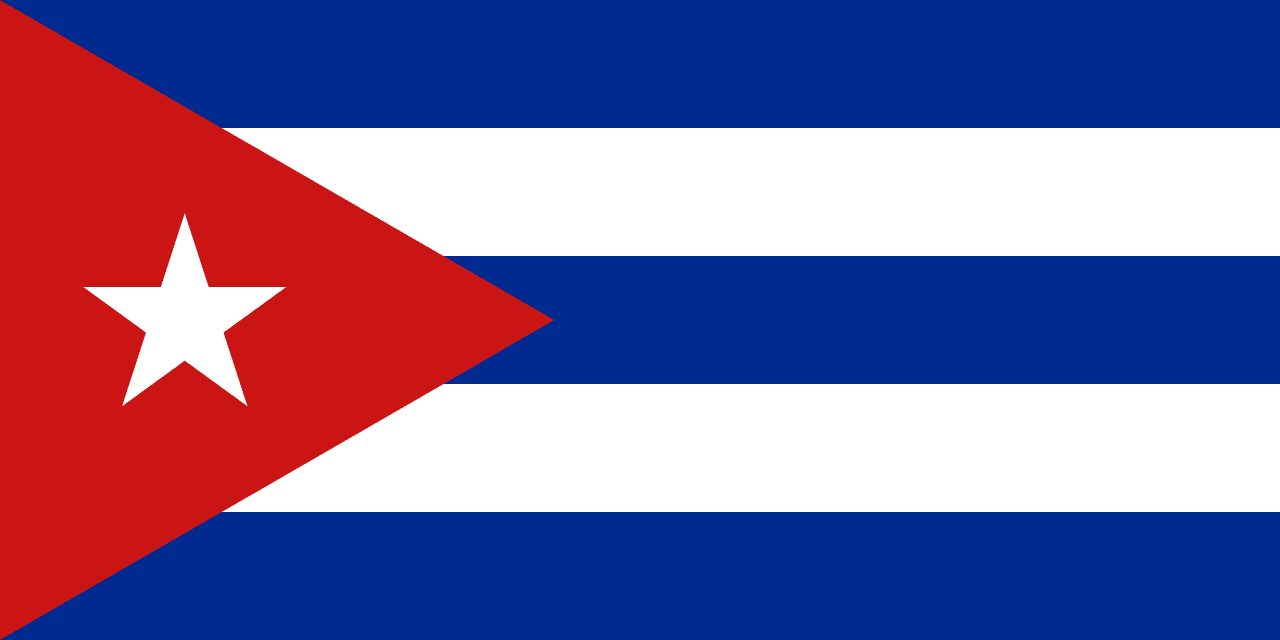
Havana is visually unlike any other city in the Americas. The US trade embargo, which began in 1962, inadvertently preserved the city's pre-revolutionary architecture by making replacement both difficult and economically pointless. The result is a city of faded grandeur — Baroque churches, neoclassical mansions, mid-century modernist buildings, and 1950s American cars that Cubans have kept running through ingenuity and improvisation for sixty years. The vintage cars are not nostalgia. They are necessity that became aesthetic.
Cuban music is a layered tradition of extraordinary depth. Son — the foundational genre born in eastern Cuba from African rhythmic complexity and Spanish melodic structure — gave rise to salsa, mambo, cha-cha-cha, and ultimately to much of what is called Latin music globally. The Buena Vista Social Club recordings in 1996 brought the original masters of Cuban son to international attention at ages that ranged from their 60s to their 90s, and introduced a new generation of listeners to a music tradition that had been developing for a century.
Cuban healthcare and education are the subjects of genuine international debate — literacy rates near 100 percent, infant mortality lower than the United States, a medical system that has sent doctors to fifty countries — alongside genuine poverty, restricted freedoms, and the particular frustrations of a society that produces extraordinary human talent and cannot always hold it. Cuba is one of the world's most genuinely complicated countries to understand from the outside.