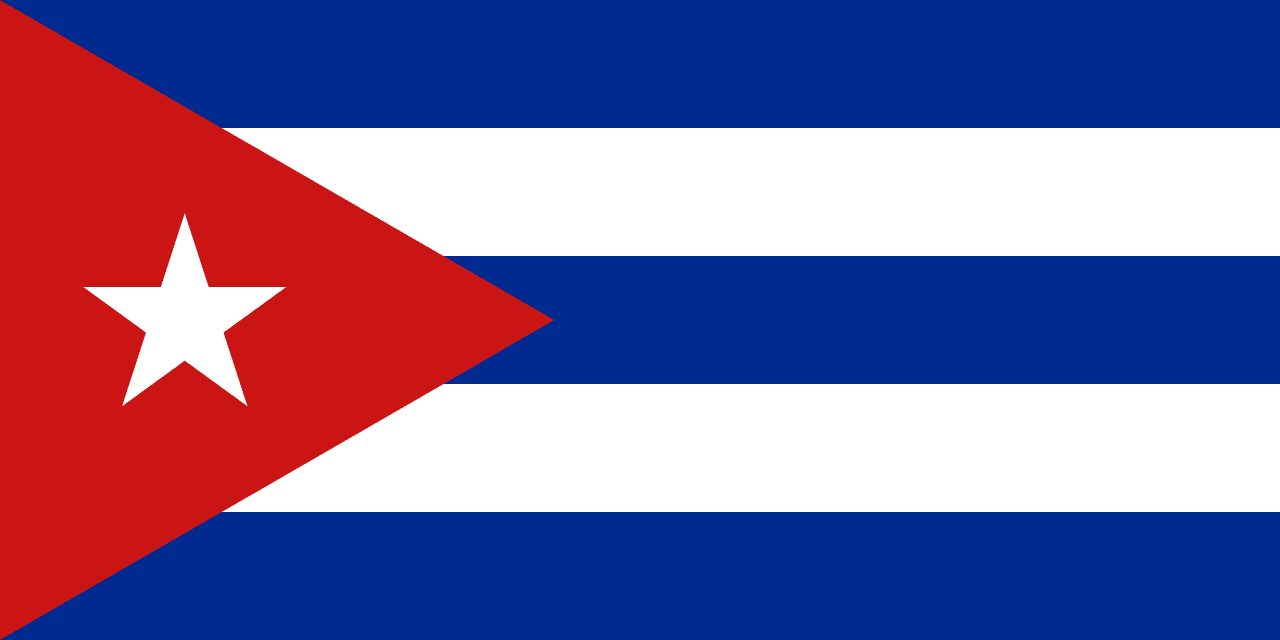
# The History of Cuba: From Ancient Times to Today
Cuba, the largest island in the Caribbean, is a tapestry of history, culture, and resilience that has evolved over thousands of years. From the ancient indigenous tribes who first settled its lush landscapes to the modern-day struggles for independence and identity, Cuba's journey is both compelling and complex. Each chapter in its history reveals the indomitable spirit of its people and their quest for freedom, identity, and pride.
### Ancient Indigenous History: The Roots of a Nation
Before the arrival of Christopher Columbus in 1492, Cuba was inhabited by various indigenous peoples, primarily the Taíno, Ciboney, and Carib tribes. The Taíno, the most numerous, thrived in Cuba’s fertile lands, cultivating crops such as cassava, maize, and sweet potatoes. They engaged in fishing and hunting, creating a society rich in tradition, art, and spirituality, where nature played a pivotal role in their daily lives.
Their vibrant culture was marked by ceremonial ball games and intricate pottery, and they believed in a pantheon of gods related to natural elements. However, the arrival of Europeans would drastically alter the course of their history. Columbus's landing marked the beginning of a tragic era for these indigenous populations, who faced disease, enslavement, and violence as colonial forces encroached upon their lands. Historians estimate that within a few decades, the Taíno population dwindled from hundreds of thousands to virtually extinction due to European diseases and exploitation.
### The Colonial Era: A New Chapter Begins
In 1511, Diego Velázquez de Cuéllar established the first Spanish settlement in Cuba, leading to nearly four centuries of colonial rule. As sugar became the island's leading export, Cuba transitioned into a plantation economy reliant on enslaved African labor. The sugar boom attracted thousands of planters and laborers, leading to a demographic transformation that would shape Cuba's social fabric.
Among the sugar plantation owners, figures like the wealthy sugar magnate José Manuel de la Torre rose to prominence, driving the economic engine of the colony. But with prosperity came social inequalities, as enslaved Africans toiled under brutal conditions, their lives completely in the hands of their owners. The period was marked by revolts, such as the 1791 Haitian Revolution, which sent shockwaves through the region and inspired enslaved Africans in Cuba to seek their freedom.
The cultural landscape of Cuba also began to flourish during this period, as African traditions mingled with Spanish colonial influences, giving birth to unique art forms, music, and religious practices. The sounds of rumba, son, and later salsa echoed from Havana's streets, laying the foundations for a rich cultural identity.
### The Road to Independence: A Fight for Freedom
By the 19th century, a growing discontent brewed among the Cuban population. The desire for independence grew louder, fueled by the ideas of the Enlightenment and inspired by other revolutionary movements, particularly the American and French Revolutions. The first significant attempt at independence came in 1868 with the Ten Years' War, led by Carlos Manuel de Céspedes, who famously freed his slaves and called for the abolition of slavery.
However, the struggle for freedom was far from over. After a decade of fighting, the conflict concluded without achieving independence, but it laid the groundwork for the next wave of revolutionary fervor. In 1881, José Martí, a national hero and advocate for social justice, emerged as a symbol of Cuba's independence movement. He envisioned a free Cuba, unshackled from colonial rule and characterized by equality and social justice. Martí's writings inspired countless Cubans and helped galvanize support for the cause.
The Spanish-American War of 1898 marked a crucial turning point in Cuba's history. With the U.S. intervention on behalf of Cuban rebels, Spain relinquished control over the island. However, the victory brought about a new form of dependency as the Platt Amendment allowed the United States to maintain significant influence over Cuban affairs, effectively making Cuba a U.S. protectorate. This era of “pseudo-independence” was marked by political instability, corruption, and a growing disillusionment among Cubans with U.S. interventions.
### The Cuban Revolution: A New Dawn
By the mid-20th century, Cuba was ripe for change. The dictatorship of Fulgencio Batista was characterized by repression, corruption, and a growing wealth gap. Rising discontent among the Cuban populace led to the formation of revolutionary groups, most notably led by Fidel Castro and his comrades, including the charismatic Che Guevara.
In 1953, Castro's audacious attack on the Moncada Barracks sparked a revolution that would transform Cuba forever. Although the initial attack was unsuccessful, it galvanized support for the revolutionary cause. Castro's compelling speeches and ability to connect with the masses inspired hope in a country that had long been marginalized.
After years of guerrilla warfare, Batista fled Cuba on January 1, 1959, and Castro emerged victorious. The new government began implementing sweeping reforms, including land redistribution and nationalization of industries. The Cuban Revolution captured the imagination of people worldwide, positioning Castro as a symbol of anti-imperialism and resistance against U.S. dominance.
### The Cold War Era: Tensions and Triumphs
As Cuba solidified its revolutionary government, it became increasingly aligned with the Soviet Union, which fueled tensions with the United States. In 1961, the failed Bay of Pigs Invasion, orchestrated by the U.S. government, aimed to overthrow Castro’s regime but only strengthened his resolve. The subsequent Cuban Missile Crisis in 1962 brought the world to the brink of nuclear war, as the U.S. discovered Soviet missiles stationed in Cuba. The standoff ended with a tense agreement, during which the U.S. promised not to invade Cuba in exchange for the removal of the missiles.
Despite the challenges, Castro's government made significant strides in healthcare, education, and social services. Literacy rates soared, and Cuba's healthcare system became a model for many developing nations. Yet, the economic isolation due to the U.S. embargo and the collapse of the Soviet Union in the 1990s plunged the country into a deep crisis known as the “Special Period.” Rationing of food and basic goods became common, leading to widespread hardship and discontent.
### The 21st Century: Navigating Change
As the 21st century dawned, Cuba found itself at a crossroads. Fidel Castro’s retirement in 2006 and eventual death in 2016 marked the end of an era. His brother, Raúl Castro, implemented limited reforms aimed at economic liberalization, allowing greater private enterprise and foreign investment. These changes were met with mixed reactions; some viewed them as necessary steps toward modernization, while others feared they would undermine the revolutionary ideals.
In December 2014, U.S. President Barack Obama announced a historic thaw in relations with Cuba, leading to the reopening of embassies and increased travel and trade. This moment was met with hope by many Cubans eager for change and engagement with the world. However, the subsequent return of a more hardline U.S. stance under President Donald Trump and the COVID-19 pandemic dealt significant blows to the island's economy.
Despite these challenges, the spirit of resilience remains at the heart of Cuban life. The people continue to navigate the complexities of daily existence, finding joy in their rich cultural heritage, from music and dance to art and literature. The “Cubanidad,” or Cuban identity, has become a powerful force, blending indigenous, African, and European elements into a vibrant mosaic that embodies the island’s history.
### Today: A Nation in Transition
Today, Cuba stands at a new threshold. As young people increasingly demand greater freedoms and opportunities, the government grapples with the need for reform while preserving its socialist foundations. The country’s future remains uncertain, but what is clear is that the story of Cuba is far from over.
In a world that often seeks to define nations by their past, Cuba offers a testament to the power of resilience and the human spirit. From its ancient indigenous roots through the trials of colonialism, the fight for independence, and the ongoing struggle for identity in a modern context, Cuba's history is a story of struggle, triumph, and hope—a narrative that continues to evolve as new chapters unfold in this remarkable island nation.
Through its vibrant culture, rich traditions, and the unyielding spirit of its people, Cuba stands as a symbol of resistance and the quest for a better future. As it navigates the complexities of the 21st century, one can only hope that Cuba’s journey is filled with more triumphs, less hardship, and a brighter horizon for its people.