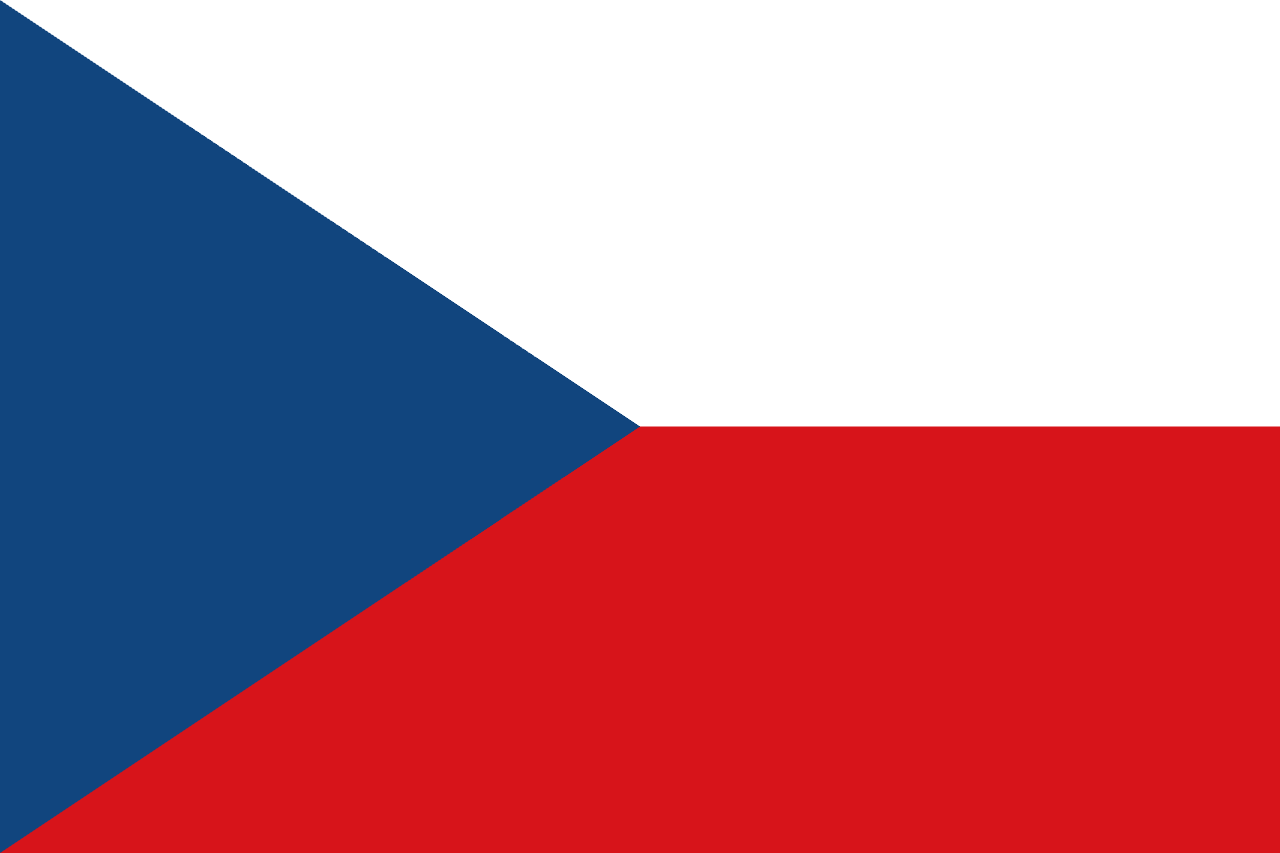
The History of Czech Republic: From Ancient Times to Today
🌐 Translate:
# The History of the Czech Republic: From Ancient Times to Today
Nestled in the heart of Central Europe, the Czech Republic is a land steeped in a rich tapestry of history, culture, and resilience. Its journey through time is a compelling saga, marked by remarkable figures, transformative events, and a unique blend of influences. From its prehistoric roots to its modern-day status as a thriving member of the European Union, the Czech Republic’s story is one of both triumph and tribulation—one that reflects the enduring spirit of its people.
## Ancient and Indigenous History
The history of the Czech Republic begins long before the formation of the modern state. Archaeological evidence suggests that the region was inhabited as far back as the Paleolithic era, with nomadic tribes roaming the land. The subsequent Neolithic period saw the emergence of settled agricultural communities, with the famous Vinča culture establishing trade networks and agricultural practices.
By the 6th century AD, Slavic tribes began to arrive in the area. Among these groups, the Czechs would emerge as a distinct people. They settled primarily in what is now Bohemia, while the Moravians inhabited the eastern regions. The Slavs brought with them a rich oral tradition, but it wasn’t until the arrival of Christianity in the 9th century that the region began to document its history more formally.
## The Rise of the Great Moravian Empire
The 9th century marked a significant turning point as the Great Moravian Empire began to take shape. Under the leadership of Prince Rastislav, Great Moravia emerged as a powerful Slavic state that encompassed parts of modern-day Czech Republic, Slovakia, and Hungary. This era is notable not just for its political developments but also for cultural advancements. The Byzantine brothers, Saints Cyril and Methodius, introduced the Glagolitic alphabet, laying the groundwork for written Slavic languages.
However, the empire's glory was short-lived. By the end of the 10th century, it succumbed to external pressures from the Hungarians and the Holy Roman Empire, leading to its fragmentation. The region was now ripe for new leaders to emerge.
## The Kingdom of Bohemia
As Great Moravia faded, the Kingdom of Bohemia began to rise in prominence. Established in the early 10th century, it became a crucial part of the Holy Roman Empire. The first notable figure was Duke Václav I, known as Saint Wenceslas, who ruled in the late 10th century. His reign was characterized by attempts to strengthen the Christian faith and unify the Slavic tribes under his leadership. Saint Wenceslas remains a celebrated symbol of Czech national identity, often depicted as a martyr and protector of the nation.
The 14th century ushered in a golden age for Bohemia under the rule of Charles IV, the Holy Roman Emperor and King of Bohemia. His reign from 1346 to 1378 was marked by cultural flourishing and economic prosperity. Charles founded Charles University in Prague, one of the oldest universities in Europe, and transformed Prague into a vibrant center of art and culture. The construction of the iconic Charles Bridge and St. Vitus Cathedral during this period further solidified Prague's status as a jewel of medieval Europe.
However, the Kingdom of Bohemia was not without its troubles. The Hussite Wars of the early 15th century marked a significant period of religious conflict. Led by the charismatic reformer Jan Hus, the Hussites sought to challenge the corruption within the Catholic Church, demanding reforms and greater accessibility to the scriptures. The movement sparked a series of violent conflicts, ultimately leading to a divided nation and paving the way for greater religious tolerance in the years to come.
## The Habsburg Era
The tumultuous nature of the Hussite Wars led to a decline in centralized power, which the Habsburgs sought to exploit. By the late 16th century, the Habsburgs had established themselves as rulers of Bohemia. Their reign, however, was marked by significant tensions between the largely Protestant population and the Catholic Habsburg monarchy.
The Thirty Years' War (1618-1648), a catastrophic conflict that engulfed much of Europe, began with the Defenestration of Prague—a literal throwing of officials from a window by Protestant nobles. This act of defiance against Catholic authority initiated one of the bloodiest conflicts in European history, resulting in the devastation of Bohemia and a severe decline in its population.
In the aftermath of the war, the Habsburgs cemented their power in the region through oppressive measures aimed at suppressing Protestantism and promoting Catholicism. This era was a time of cultural and intellectual stagnation, yet it also saw the emergence of Baroque architecture, which shaped the visual landscape of Prague.
## The Rise of Nationalism and the Push for Independence
As the 19th century dawned, nationalism began to rise across Europe, and the Czech lands were no exception. The Romantic movement stimulated a sense of national identity among Czechs, leading to a cultural revival known as the Czech National Revival. Intellectuals, writers, and artists began to emphasize the importance of Czech language and culture, culminating in significant literary works and folklore collection.
Amidst these cultural developments, the 1848 revolutionary wave swept across Europe, inspiring the Czech people to demand greater autonomy from the Habsburg Empire. However, the revolution ultimately failed, leading to a period of repression. Yet, the seeds of national identity had been sown, and the desire for independence lingered.
The early 20th century saw the culmination of these aspirations with the establishment of Czechoslovakia, following the end of World War I. On October 28, 1918, Czechoslovakia declared independence from the Austro-Hungarian Empire. Tomáš Garrigue Masaryk, a professor and philosopher, became the country’s first president and was instrumental in shaping the ideals of a democratic and inclusive nation.
## World War II and the Communist Era
Czechoslovakia's newfound independence was short-lived as the dark clouds of World War II loomed. The country was invaded by Nazi Germany in 1939, leading to a brutal occupation characterized by widespread repression and the horrors of the Holocaust. Many Czechs, including influential figures such as Václav Havel, would become vocal opponents of the regime.
After the war, Czechoslovakia fell into the Soviet sphere of influence, becoming a communist state in 1948. This was a time of significant political oppression, with dissenters facing imprisonment or exile. The Communist Party imposed strict control over all aspects of life, quelling freedoms of expression and assembly. Yet, beneath the surface, a resilient resistance brewed—one that would eventually culminate in the Prague Spring of 1968, a brief period of liberalization and reform led by Alexander Dubček.
This hope was crushed when Warsaw Pact troops invaded Czechoslovakia, re-establishing a hardline communist regime. The country remained under strict Soviet control until the late 1980s.
## The Velvet Revolution and the Birth of the Czech Republic
The winds of change began to blow in the late 1980s, as political and economic conditions in Eastern Europe started to shift. Inspired by the broader fall of communism across the continent, Czechoslovakians took to the streets in November 1989, sparking the Velvet Revolution—so named for its non-violent nature. The movement, led by figures such as Václav Havel, saw millions of people demand an end to the communist regime.
By December 1989, the Communist Party capitulated, and Václav Havel was elected president as Czechoslovakia transitioned to a democratic state. The Velvet Revolution was not just a political triumph; it symbolized the resilience and unity of the Czech people, a moment when the spirit of a nation soared.
Yet, as democracy took root, the question of national identity resurfaced, leading to the peaceful split of Czechoslovakia into two separate entities—the Czech Republic and Slovakia—on January 1, 1993. This event, known as the Velvet Divorce, was a testament to the diplomatic approach taken by both nations in navigating their paths.
## The Czech Republic Today
Today, the Czech Republic stands as a vibrant democracy, marked by a dynamic economy and a rich cultural heritage. The capital city of Prague, often referred to as the "City of a Hundred Spires," is a UNESCO World Heritage site and a major European cultural hub. The country has embraced its complex history, blending medieval traditions with modern advancements.
Czechs take pride in their achievements, from technological innovations to contributions in the arts. The country has become an integral part of the European Union since 2004 and is recognized for its high standard of living and quality of education.
However, like many nations, the Czech Republic faces challenges. Issues such as political polarization, immigration debates, and the legacy of its communist past continue to shape public discourse. Nevertheless, the resilience of the Czech people, forged through centuries of struggle and triumph, remains a source of strength.
In reflecting on the journey from ancient times to the present, it becomes clear that the history of the Czech Republic is not merely a series of events but a testament to the human spirit—one that has weathered storms, celebrated victories, and embraced change. This rich legacy continues to inspire the nation as it charts its future in an ever-evolving global landscape.