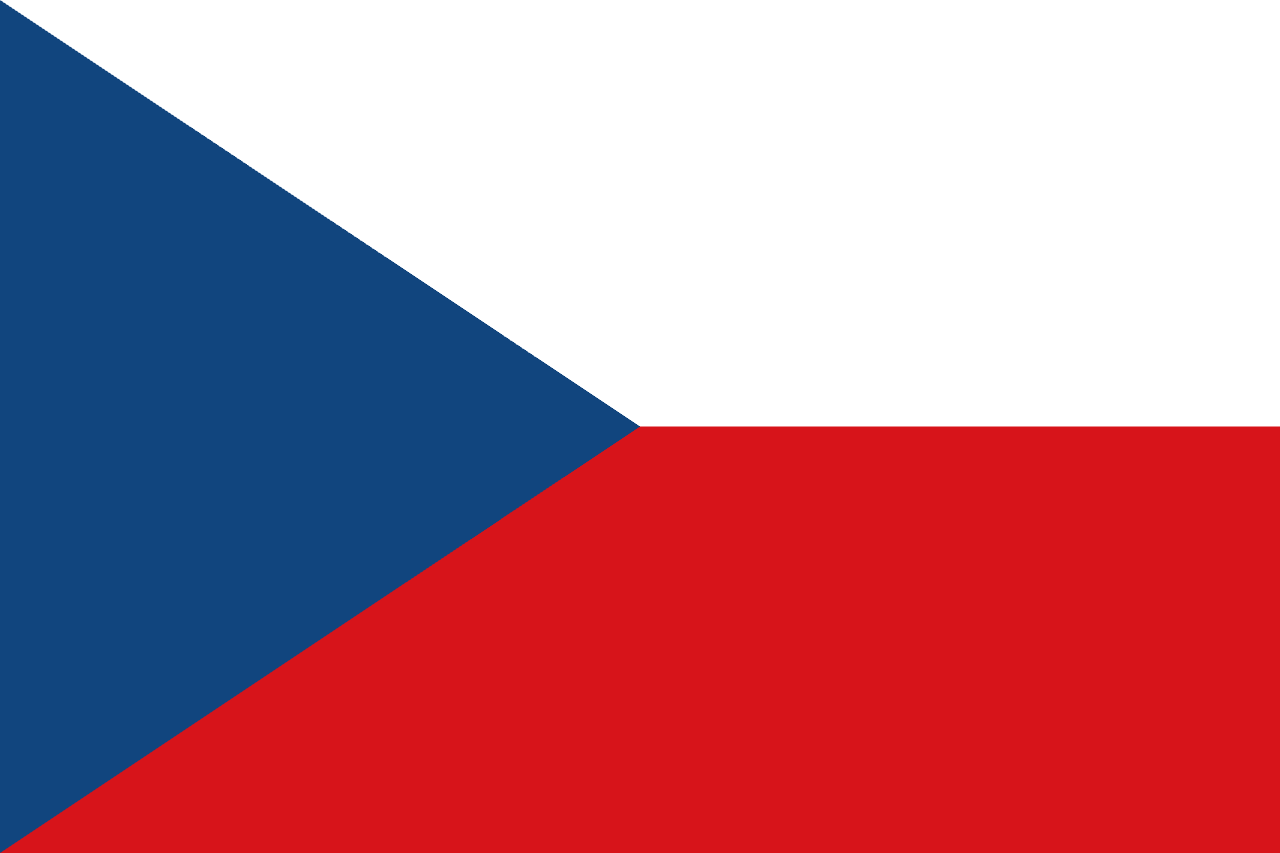
Living in the Czech Republic has been one of the most enriching experiences of my life. Nestled in the heart of Europe, this charming country combines rich history, a vibrant culture, and a unique lifestyle that has its own rhythm. From the cobbled streets of Prague to the serene countryside of South Bohemia, every corner of the Czech Republic has something special to offer. As someone who has called this beautiful country home for several years, I'm excited to share what everyday life is really like here.
Daily life in the Czech Republic often begins with a refreshing dose of caffeine. Coffee culture is very much alive, and you’ll find cozy cafes on practically every corner. A cup of espresso or a traditional Czech “káva” (coffee) typically costs between 30 to 60 CZK (around $1.30 to $2.60). The locals take their time over coffee, indulging in delightful pastries like trdelník or koláče. A leisurely breakfast is not uncommon, and it’s a time when friends or family gather to chat and savor the moment.
As you step outside, the morning air is crisp, particularly in the autumn and winter months when the temperatures can drop below zero. The public transport system is efficient and punctual. A monthly tram and bus pass costs approximately 550 CZK ($24), making it affordable to navigate the cities. Whether it's the iconic trams in Prague, the metro, or buses in smaller towns, you’ll find that public transport is a well-oiled machine. Morning commutes can be busy, but there’s a certain camaraderie among passengers as they read newspapers or scroll through their phones.
Cost of living in the Czech Republic is significantly lower than in many Western European countries. Rent in Prague can be steep, where a one-bedroom apartment in the city center could cost about 20,000 CZK ($870), but in smaller cities or towns, you can find much more affordable options. For instance, I live in a quaint town called Čáslav, where I pay roughly 12,000 CZK ($520) for a spacious two-bedroom apartment. Utilities are reasonable, typically around 3,000 CZK ($130) a month.
Food in the Czech Republic is hearty and comforting, reflecting the country’s agricultural roots. You'll find an abundance of meats, potatoes, and seasonal vegetables on dinner plates. Traditional Czech meals include svíčková (marinated beef in creamy sauce), goulash, and knedlíky (dumplings), with meals usually costing between 150 to 300 CZK ($6.50 to $13). Eating out is often a social affair, and many restaurants have a “denní menu” (daily menu) that provides a full meal at an attractive price point, often around 100 CZK ($4.35).
Czech beer is world-famous, and living here means embracing the local brews. Beer is cheaper than water at restaurants, often costing as little as 30 CZK ($1.30) for a half-liter of Pilsner. Visiting a local brewery or a hospoda (pub) is a rite of passage, and you'll find that locals are happy to chat over a pint. A favorite saying among Czechs is “Na zdraví!” meaning “To health!” which you’ll hear often during toasts.
Social customs in the Czech Republic are fascinating and deeply rooted. Greeting people with a firm handshake is common, accompanied by direct eye contact. When meeting someone for the first time, it’s customary to address them using their title and surname. As friendships develop, the use of first names becomes more common, and you may even hear affectionate nicknames. Czechs value honesty and straightforwardness, which can sometimes come off as bluntness to newcomers.
Family life is celebrated, and it’s common for families to gather for Sunday dinners, often featuring a feast of traditional Czech dishes. Children are cherished, and you’ll see families enjoying time together in parks or at various festivals. In the summer, the country springs to life with numerous outdoor events, from music festivals to food fairs. The annual beer festival in Prague is a must-visit, showcasing hundreds of local breweries and bringing communities together in celebration.
Work culture in the Czech Republic often emphasizes work-life balance. Employees typically work a standard 40-hour week, with generous vacation allowances. After work, it’s common for colleagues to grab a beer together, fostering camaraderie outside the office environment. Speaking of the office, Czechs tend to keep their professional lives separate from their personal lives, so don’t expect to share too much personal information at work initially.
Weekends in the Czech Republic are a time for relaxation and recreation. A typical Saturday might involve a leisurely brunch at a cafe, followed by a stroll through one of the many picturesque parks or along the Vltava River in Prague. Many locals enjoy hiking or cycling in the stunning countryside, with trails weaving through forests and hills. For those who prefer cultural activities, catching a concert, visiting a museum, or attending a theater performance is a popular option. Theater and opera are particularly cherished in Czech culture, with numerous venues showcasing local talent.
The weather plays a significant role in shaping life in the Czech Republic. Winters can be long and cold, with temperatures often hovering around -5°C (23°F). Snow blankets the picturesque towns and cities, creating a postcard-like scenery, perfect for winter sports. Spring brings a burst of colors as flowers bloom, while summers are generally warm and pleasant, with temperatures averaging around 25°C (77°F). Autumn, my personal favorite, paints the landscape in stunning shades of red and gold, and the harvest season leads to an abundance of local produce and seasonal festivities.
Despite its many charms, living in the Czech Republic is not without its challenges. The language can be quite daunting for newcomers, with its complex grammar and sounds that might feel unfamiliar. Czechs take pride in their language and are generally reluctant to switch to English, especially in rural areas. While younger generations often speak English, older folks might not, making it beneficial to learn a few basic phrases. A simple “Dobrý den” (Good day) or “Děkuji” (Thank you) can go a long way in winning hearts.
Cultural differences can also be surprising for foreigners. For example, Czechs are quite private individuals, and it may take time to build deeper friendships. Initially, interactions might feel formal or reserved, but as trust develops, you’ll discover the warm-hearted nature of Czechs. Another surprising aspect is the prevalence of nudism in summer; many locals embrace this lifestyle on beaches and in certain parks, which can be a bit shocking for those not accustomed to it.
What surprises many foreigners the most is probably the deep-rooted sense of history and identity that Czechs possess. Walking through towns like Český Krumlov or Kutná Hora, you can feel the weight of history in every stone and cobbled street. The country’s tumultuous past is often a topic of conversation, and locals are proud to share their heritage, especially in relation to their resilience during communist rule.
In conclusion, life in the Czech Republic is a tapestry woven with tradition, community, and natural beauty. From savoring hearty dishes to enjoying the rich cultural offerings, every day brings a unique experience. While there are challenges, the warmth and camaraderie of the Czech people truly make it a special place to call home. Whether you’re wandering through the historic streets of Prague or enjoying a quiet afternoon in a village, you’ll find that the Czech Republic is not just a destination; it’s a way of life filled with stories waiting to be shared.