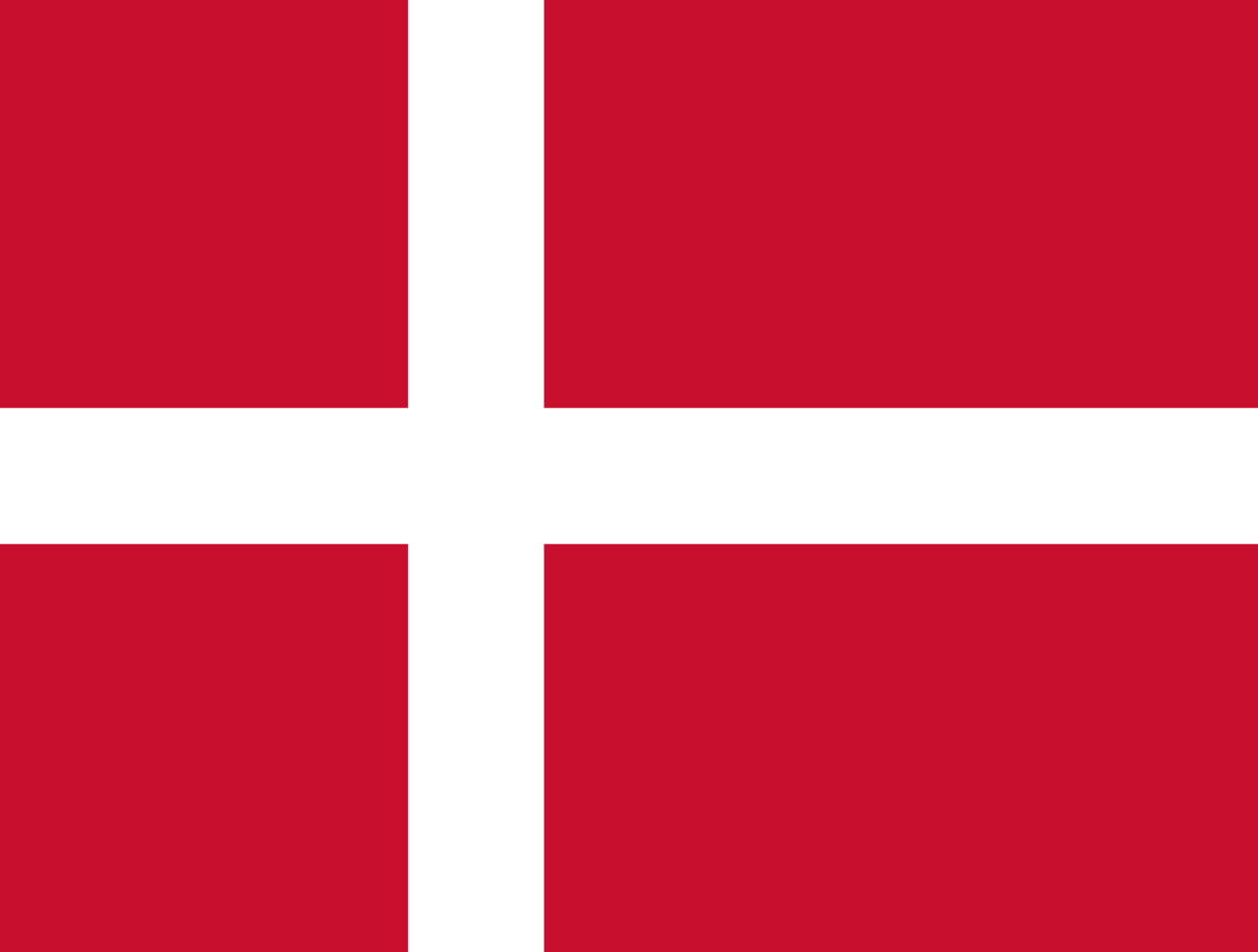
The History of Denmark: From Ancient Times to Today
🌐 Translate:
# The History of Denmark: From Ancient Times to Today
Nestled in Northern Europe, Denmark is a country steeped in rich history, vibrant culture, and a legacy that echoes through the ages. From the time of ancient tribes to its present-day status as a progressive welfare state, the tale of Denmark is one of evolution, resilience, and a strong sense of identity. This journey through time will unveil the significant eras, influential figures, and lesser-known facts that have shaped Denmark into the nation it is today.
## Ancient and Indigenous History: The Dawn of Civilization
Long before Denmark was recognized as a unified state, the land was inhabited by various tribes and communities. The earliest known settlers, believed to be hunter-gatherers, arrived around 12,500 BC, following the retreat of the last Ice Age. These early inhabitants thrived on the bountiful resources offered by the lush forests, rivers, and fertile plains. Eventually, around 4000 BC, the Neolithic Revolution took hold, leading to the establishment of agriculture and permanent settlements.
By the time of the Bronze Age (around 1800-500 BC), Denmark had begun to develop more complex societal structures. The discoveries of burial mounds—such as the renowned Jelling stones—and artifacts reveal a civilization rich in trade and craftsmanship. It was during this era that the famous "sun chariot," unearthed in 1902, showcased the intricate artistry of the Danes and their reverence for celestial bodies.
The Iron Age, characterized by the migration of the Germanic tribes, marked a pivotal point. The Danes were part of a larger cultural milieu, linking them with tribes across Europe. The arrival of the Romans around 1 AD brought both conflict and opportunity. Although the Romans never conquered the Danes, their writings about the fierce tribes of Jutland provide valuable insights into early Danish society.
## The Viking Age: Warriors and Explorers
The Viking Age (circa 800-1050 AD) is perhaps the most celebrated chapter in Danish history. It was during this time that the Danes transformed from local tribes into formidable seafarers and warriors. The legendary Viking raids, which began as early as the late 8th century, turned Denmark into a hub of adventure and conquest.
Under the leadership of figures like King Harald Bluetooth, who reigned in the late 10th century, Denmark became a significant power in Scandinavia. Harald's reign is noted for his efforts to unify the various tribes under a single kingdom. He famously converted to Christianity, thus intertwining religious transformation with political consolidation. The Jelling stones, erected by Harald, are often considered Denmark's birth certificate, bearing inscriptions that declare him the first King of Denmark.
The Vikings were not only warriors; they were also explorers and traders. They ventured far beyond the shores of Denmark, reaching as far as North America—where they established a settlement called Vinland around 1000 AD—long before Columbus set sail. The well-crafted longships allowed them to navigate rivers and oceans alike, facilitating trade with distant lands and forging connections that would forever alter the course of history.
## The Medieval Period: The Rise of the Kingdom
As the Viking Age waned, Denmark transitioned into the Medieval period, characterized by the establishment of a feudal society. The 12th and 13th centuries saw a consolidation of power under monarchs like King Canute IV, who sought to strengthen the kingdom’s influence in Europe. His reign, however, ended tragically with his assassination in 1086, reflecting the turbulent nature of medieval politics.
During this time, Denmark faced internal strife as well as external threats from neighboring countries, including Sweden and Norway. The Kalmar Union, established in 1397, marked an essential turning point. It united the three kingdoms of Denmark, Norway, and Sweden under a single monarch, Queen Margrethe I. This union aimed to enhance collective strength against foreign adversaries but was fraught with tensions that would eventually lead to its dissolution in the early 16th century.
The Reformation in the 16th century was another key moment in Danish history. In 1536, Denmark officially adopted Lutheranism, severing ties with the Catholic Church. This shift not only altered the religious landscape but also had profound implications for governance and society. The monarchy gained increased power, as the Danish crown seized church lands and wealth, laying the foundations for a centralized state.
## The Colonial Period: A Global Presence
The 17th and 18th centuries marked a period of expansion and colonial ambition for Denmark. With the establishment of the Danish West India Company in 1671, Denmark began acquiring territories in the Caribbean, including the Virgin Islands, which would become a significant source of sugar and trade. The Danish also ventured into Greenland and parts of India, leaving a complex legacy of colonialism that is still felt today.
During this period, figures like King Frederick IV and Frederick V played crucial roles in promoting trade and industry, while Danish scientists and explorers, such as Hans Egede, made significant contributions to the knowledge of Greenland and the Arctic. However, Denmark’s aspirations were not without conflict. The Great Northern War (1700-1721) saw Denmark embroiled in regional power struggles, ultimately leading to territorial losses and economic strain.
As the 19th century approached, the winds of change began to stir. The Napoleonic Wars brought about significant challenges, including the British bombardment of Copenhagen in 1807. The repercussions of these conflicts led to a series of defeats, culminating in the loss of Norway in 1814, which was ceded to Sweden following the Treaty of Kiel. The loss marked the end of Denmark's status as a major player in European politics and heralded a new era of introspection and reform.
## The Modern Era: Independence and Nation-Building
The 19th century was a transformative period for Denmark, characterized by a rise in nationalism and the advocacy for democratic reforms. The 1849 Constitution established Denmark as a constitutional monarchy, heralding a new chapter in governance. Political movements began to emerge, pushing for greater rights and representation for the populace.
The Second Schleswig War (1864) resulted in the loss of the duchies of Schleswig and Holstein to Prussia and Austria, further igniting nationalist sentiments. This loss was a turning point, as it prompted the Danish to reevaluate their national identity and strengthen their resolve to maintain what remained of their territory.
By the turn of the 20th century, Denmark had embraced a more democratic and welfare-oriented approach. The introduction of social reforms led to improved living conditions and laid the groundwork for the modern welfare state. The aftermath of World War I saw Denmark regain some territories, including North Schleswig, further solidifying its borders.
The interwar years were marked by economic challenges, but Denmark managed to maintain neutrality during World War II. However, in 1940, the country was occupied by Nazi Germany. The occupation was harsh, yet it sparked a strong resistance movement among the Danish people. The courage displayed during this time, including the rescue of Jews to Sweden, is a testament to the Danish spirit of resilience and solidarity.
## Denmark Today: A Modern Welfare State
Today, Denmark stands as a beacon of social democracy and progressive values. Known for its high standard of living, universal healthcare, and strong education system, the country has consistently ranked among the happiest in the world. Danish design and architecture, exemplified by the works of Hans Wegner and Arne Jacobsen, have gained international acclaim, solidifying Denmark’s place in the cultural landscape.
In recent years, Denmark has also positioned itself as a leader in sustainability and environmental policy. The commitment to renewable energy, particularly wind power, reflects a forward-thinking approach that seeks to address the pressing challenges of climate change.
Despite its modern advancements, Denmark has not forgotten its roots. The celebration of traditions—such as Midsummer’s Eve and Christmas festivities—remains an integral part of Danish culture. The tales of Vikings, the grandeur of medieval castles like Kronborg, and the history encapsulated in museums serve as reminders of a rich heritage that continues to shape the Danish identity.
In conclusion, the history of Denmark is a captivating tapestry woven from the threads of ancient tribes, Viking conquests, colonial ambitions, and modern democratic values. It is a story of transformation, resilience, and a deep connection to both the past and the future. As Denmark continues to navigate the complexities of the modern world, it carries with it the strengths of its history, a testament to the enduring spirit of its people.