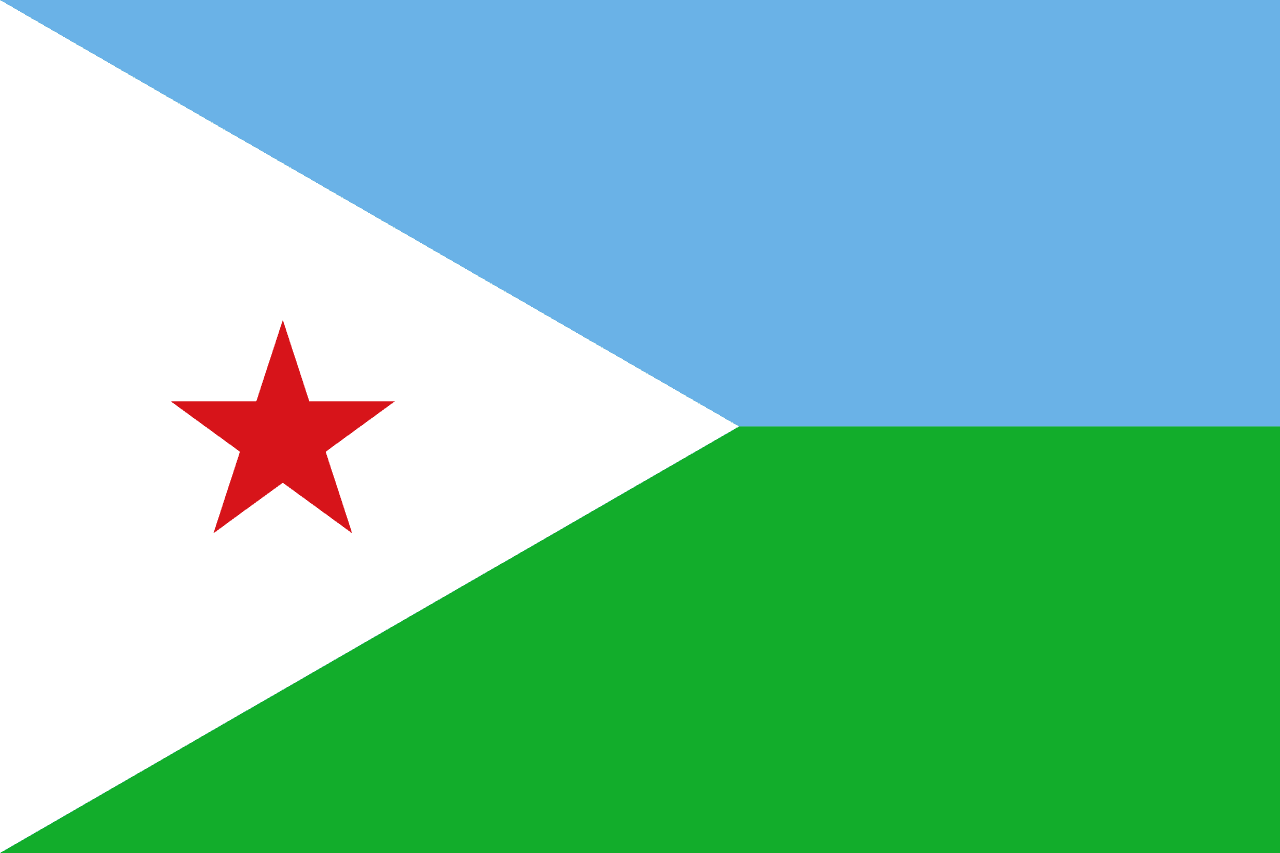
The History of Djibouti: From Ancient Times to Today
🌐 Translate:
# The History of Djibouti: From Ancient Times to Today
Nestled at the southeastern edge of the Horn of Africa, Djibouti is a small nation bordered by Eritrea, Ethiopia, and Somalia, with its shores kissed by the Red Sea and the Gulf of Aden. Despite its modest size, Djibouti boasts a rich tapestry of history woven from ancient civilizations, empires, colonial ambitions, and a vibrant cultural identity. To truly appreciate this unique country, we must journey through time, exploring its eras of ancient history, prominent empires, colonial experiences, independence, and its present-day realities.
## Ancient and Indigenous History
Long before the arrival of foreign empires, Djibouti was home to indigenous communities who thrived in the arid and semi-arid landscapes. Evidence of human presence in the region dates back to the Paleolithic era, with archaeological finds indicating that early humans inhabited the area as early as 5000 BC. The coastal regions and the interior were rich in resources, attracting nomadic tribes who relied on fishing, herding, and trading.
The ancient city of Obock, located on the northern coast, is believed to have been a significant trading post in antiquity. Its strategic location made it a hub for trade routes linking the Arabian Peninsula to the African interior. Various civilizations, including the Egyptians and the Sabaeans, recognized the importance of Djibouti, with the region serving as a vital point for maritime trade in incense, spices, and other goods.
One of the lesser-known aspects of Djibouti's ancient history is the presence of the Afar people, who have inhabited the region for centuries. Known for their resilience and rich cultural traditions, the Afar have maintained their nomadic lifestyle while also adapting to the changing world around them. Their history is intertwined with the land itself, as they navigate the harsh terrain and harsh climate, showcasing the enduring human spirit.
## The Rise of Empires
As we move through history, Djibouti found itself at the crossroads of several powerful empires. The Kingdom of Aksum, which thrived from the 1st to the 7th centuries AD, was one of the most influential powers in the region. Based in present-day Ethiopia and extending into Djibouti, the Aksumite Empire was renowned for its monumental obelisks, advanced trade networks, and the adoption of Christianity as a state religion in the 4th century. This era marked a significant cultural and religious shift in the region, with Aksum serving as a conduit for commerce and cultural exchange.
Following the decline of Aksum, the region came under the sway of Islamic influence as Arab traders and settlers arrived along the coast. By the 7th century, Islam had begun to spread, marking the beginning of a new chapter in Djibouti’s history. The coastal towns became integral to the trade networks connecting the Arabian Peninsula with the African interior, leading to the rise of the influential Sultanate of Ifat and later the Sultanate of Adal in the 14th century. These Islamic states played pivotal roles in regional politics, culture, and trade, establishing Djibouti as a key player in the Indian Ocean trade routes.
## The Colonial Period
By the late 19th century, European powers, driven by imperial ambitions, turned their eyes toward the strategic Red Sea region. Djibouti caught the attention of France, which sought to establish a colonial presence in the area. In 1883, France signed a treaty with local leaders, effectively making Djibouti a protectorate and later establishing the French Somaliland territory in 1896.
Under French colonial rule, Djibouti underwent significant changes. The French invested in infrastructure, building roads, ports, and railways, which transformed the region into a vital military and commercial hub. The Port of Djibouti became a crucial point for shipping routes, linking Europe, the Middle East, and Asia. However, while the French presence brought development, it also imposed harsh colonial policies that marginalized the local population and suppressed cultural expressions.
The colonial experience was marked by resistance and resilience. Key figures emerged during this era, such as the nationalist leader Hassan Gouled Aptidon, who would later play a significant role in Djibouti’s push for independence. The struggle against colonialism laid the groundwork for a burgeoning sense of national identity, as the population began to envision a future free from foreign domination.
## Independence and Modern Formation
As the winds of change swept across Africa in the mid-20th century, calls for independence grew louder in Djibouti. The post-World War II period saw a rise in nationalist movements, with the demand for self-governance gaining momentum. In 1958, Djibouti held a referendum, and the population voted to remain a French territory, a decision that sparked further debate about national identity and aspirations for freedom.
However, the tide of history had turned. On June 27, 1977, Djibouti finally declared its independence from France, making it one of the last African nations to do so. Hassan Gouled Aptidon became the first president, leading the country with a vision of unity and progress. His leadership focused on building a sense of national identity and promoting economic development.
Djibouti faced challenges in the years following independence, including internal tensions and external pressures. The country navigated regional conflicts, notably the Somali Civil War in the 1990s, which had significant spillover effects on its borders. Djibouti's strategic location made it a host for military bases from various nations, including the United States and France, as global powers sought to secure their interests in the volatile Horn of Africa.
## Djibouti Today
Fast forward to the present day, and Djibouti stands as a nation at the crossroads of cultures and commerce. Its strategic location continues to be a defining feature, with the Port of Djibouti serving as a crucial gateway for landlocked Ethiopia, facilitating trade and economic growth. The country has embraced its role as a logistics hub, attracting foreign investment and establishing free trade zones to bolster its economy.
Culturally, Djibouti is a melting pot of influences, with a rich tapestry of traditions, languages, and customs. The population is primarily composed of two ethnic groups: the Afar and the Somali, each contributing to the nation’s vibrant cultural heritage. Festivals, music, and culinary traditions reflect the diverse influences that have shaped Djibouti over the centuries. The annual International Festival of Djibouti celebrates this cultural diversity, bringing together artists, performers, and communities from across the region.
Despite its challenges, including issues related to poverty, unemployment, and environmental sustainability, Djibouti has made strides in recent years. The government has prioritized investments in education, healthcare, and infrastructure, aiming to create a more prosperous future for its citizens. The country is also increasingly participating in regional and international organizations, seeking to play a constructive role in promoting peace and stability in the Horn of Africa.
## Conclusion
The history of Djibouti is a testament to the resilience of its people and the richness of its cultural heritage. From ancient trading routes to colonial struggles and modern aspirations, Djibouti’s journey is one of triumphs and challenges, marked by the enduring spirit of its communities. As we look to the future, Djibouti stands poised to embrace its unique identity, leveraging its strategic position to foster economic growth and cultural exchange while building a more inclusive and sustainable society. In the heart of the Horn of Africa, Djibouti continues to tell its story—one of history, hope, and the promise of tomorrow.